Lifestyle

Doctors recommend belly laughs two to five times a week for health benefits
Melanin Bee arches her back like a stretching cat and lets out a series of forced, exaggerated laughs that soon turn into genuine giggles as she kicks her feet with delight. She is practicing “Laughasté,” a comedic yoga routine she created that traces its roots to laughter clubs first established in India in the 1990s.
“It’s about being comfortable with awkwardness,” said Bee, a Los Angeles comedian and speaker. “Once you do that, you find a silliness within that leads to involuntary laughter.”
Medical experts say laughter offers more than stress relief. Dr. Michael Miller, a cardiologist at the University of Pennsylvania, compared it to exercise. “Like we recommend physical activity at least three to five days a week, you should belly laugh at least two to five days weekly,” he said. Laughter promotes heart health, boosts immunity, and triggers endorphins, natural painkillers that also improve mood.
The modern study of laughter, or gelotology, began in the 1960s. Research has shown that even simulated laughter provides health benefits, including lowering stress hormones, blood sugar levels, and chronic pain, according to Jenny Rosendhal, a medical psychology researcher at Germany’s Jena University. Laughter yoga, which combines intentional laughter with deep breathing and gentle stretches, has proven especially effective for people experiencing depression or illness.
Laughing yoga founder Dr. Madan Kataria in Mumbai created structured exercises that encourage participants to laugh for no reason, using movements and sounds to engage the diaphragm. “It’s about activating your laughter muscles and removing mental inhibitions,” Kataria said. “The real, childlike laughter follows naturally.”
Source: AP
7 months ago
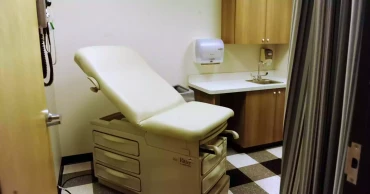
How to get the most out of your doctor’s appointment
Visiting a doctor can be stressful at any age, with patients often forgetting symptoms, medications, or questions until after leaving the office. Preparing ahead is key to making the most of the time with a healthcare provider.
Dr. Sarah Nosal, president of the American Academy of Family Physicians, said even doctors struggle to remember everything they want to discuss with their own physicians. She advises patients to bring a written list of symptoms and questions, prioritizing the most urgent concerns at the top. “Once you leave the office, you can lose that time,” Nosal said.
Primary care doctors play a central role in overall health. They not only provide preventive care such as vaccinations and screenings, but also monitor chronic conditions, detect emerging health problems, and coordinate referrals to specialists. “Knowing a patient over time helps me recognize what’s normal and what’s changed,” Nosal explained.
Preparation should start at home. Young adults may need help recalling medical history, including past surgeries, hospitalizations, and vaccinations. Updating family health history — such as incidences of diabetes, stroke, or early-onset cancer — can guide preventive care.
Indonesia’s first giant panda cub squeals and squirms in new park footage
Patients should also document all medications, including prescriptions, over-the-counter drugs, vitamins, and supplements, as these can interact. Checking whether recent lab results or records from other providers have been sent to the doctor is also important.
Nosal recommends keeping a running list of questions before the appointment. Specific details about symptoms or health concerns, including mental and sexual health, should be included and presented early during the visit. Patients can share these lists via patient portals or check-in forms.
Asking questions repeatedly is encouraged. Patients should understand the rationale behind a diagnosis and next steps, and it is often helpful to bring a friend or relative to take notes. “Whether you are 20 or 85, you will not remember everything from your medical visit,” Nosal said.
Source: AP
7 months ago

NORAD keeps alive its long-standing tradition of monitoring Santa’s global journey
Each year, children call in with wide-ranging concerns: some hang up quickly after being reminded that Santa won’t arrive unless they’re asleep, while others worry whether he’ll be able to locate their homes.
Plenty of adults also follow Santa’s progress, staying loyal to the legendary gift-giver said to travel the globe in a single night. For seven decades, the North American Aerospace Defense Command (NORAD)—a joint U.S.-Canadian organization responsible for monitoring airspace threats—has upheld the annual tradition of tracking Santa on Christmas Eve.
This year, more than 1,000 volunteers will answer calls to the NORAD Tracks Santa hotline, 1-877-HI-NORAD, from 4 a.m. until midnight Mountain Standard Time. For the first time, callers can also connect through the program’s website, a change designed to make access easier for people outside North America.
The website allows users to follow Santa’s route in nine languages, including English and Japanese.
Last Christmas Eve, roughly 380,000 calls poured into a festively decorated hangar at Peterson Space Force Base in Colorado Springs, where NORAD is headquartered.
Although Santa poses no danger, NORAD can still track his travels using the same radar systems, satellites and fighter jets it relies on throughout the year, said Col. Kelly Frushour, a NORAD spokesperson. According to her, Rudolph’s glowing nose gives off a heat signature similar to that of a missile, which allows satellites to detect Santa’s sleigh.
“Faster than starlight”
Frushour recalled a call from last year in which a young girl became distressed after hearing Santa was headed toward the International Space Station, where two astronauts were stranded at the time.
“By the end of the call, Santa had already moved on, and she was reassured that he wasn’t stuck in space and would still visit her home later that night,” Frushour said.
Michelle Martin, a NORAD employee and Marine veteran, shared another memorable call from a man with special needs named Henry, who phones in every year. He once asked whether the jet escorting Santa could pass along a note saying he was already in bed and ready for Santa’s visit.
Martin said she explained that Santa moves “faster than starlight,” making it impossible for the pilot to catch up. “He just waves as Santa zooms by,” she recalled telling him.
A tradition born from a mistake
The tradition began in 1955, during the Cold War, when NORAD’s predecessor—the Continental Air Defense Command (CONAD)—was focused on detecting potential nuclear attacks from the Soviet Union. According to NORAD, a child accidentally dialed the operations center and asked to speak with Santa Claus. Rather than disappointing the child, the commander on duty, Air Force Col. Harry Shoup, instructed his team to track Santa and answer children’s calls.
The call may have been triggered by a misprinted or misdialed phone number in a Sears newspaper advertisement that encouraged children in Colorado Springs to call Santa.
Over time, the story evolved, suggesting the call reached a top-secret hotline reserved for emergencies. However, in 2015, The Atlantic questioned that version, noting that a public number was more likely and pointing out Shoup’s reputation for embracing publicity.
In a 1999 interview with The Associated Press, Shoup recalled going along with the situation once he realized what was happening. “Ho, ho, ho, I am Santa,” he told the first caller.
“My crew thought I’d lost my mind,” he said, adding that he soon explained the situation and asked his staff to play along.
The exact date of the first call remains uncertain, but by Dec. 23 of that year, the AP reported that CONAD was officially tracking Santa.
CONAD later became NORAD and for years operated from the fortified Cheyenne Mountain complex, where tunnels carved into solid granite were designed to protect personnel in the event of a nuclear attack.
7 months ago

Most Americans comfortable giving cash as holiday gifts
A new AP-NORC poll shows that many Americans are comfortable giving cash or gift cards as holiday presents, while a sizable portion plan to be asleep before midnight on New Year’s Eve.
About 6 in 10 adults consider cash or gift cards “very” acceptable as gifts, though fewer approve of secondhand or re-gifted items. Younger adults are more accepting of cash: roughly two-thirds of those under 45 say it is very acceptable, compared with 55% of those 45 and older.
“Everything’s too expensive nowadays. And I don’t want to buy a gift someone may not like. So cash,” said 26-year-old Gabriel Antonucci, a ski resort cook in Alaska. Some older Americans, like 55-year-old Florida resident Teresa Pedroza, prefer traditional presents but occasionally resort to gift cards for convenience.
Secondhand and re-gifted items are less widely embraced, especially among adults over 45. About 4 in 10 in that age group consider secondhand gifts “somewhat” or “very” unacceptable.
Many Americans also plan to leave holiday decorations up past New Year’s Day, while only about 2 in 10 put them up before Thanksgiving. About a quarter of adults plan to watch sports on Christmas, with men and older adults more likely to tune in, while only 5% will go to a movie.
Holiday traditions extend to pets and quirky customs: roughly 3 in 10 adults will give gifts to pets, while only about 1 in 10 will do Elf on the Shelf.
The poll also reflects generational differences in holiday routines. Nearly half of Americans say they will not stay up to ring in 2026, with older adults more likely than younger ones to head to bed early.
Source: AP
7 months ago
Creating a simple garden sanctuary for year-round relaxation
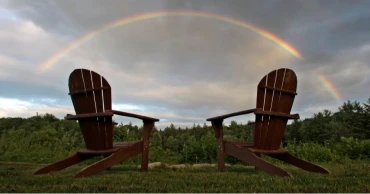
As temperatures drop and daylight fades early, my mind turns to the firepit corner of my garden — a simple setup with eight colorful Adirondack chairs arranged around a stacked stone hearth. In the growing season, the space is framed by low-maintenance plants like button bush, hydrangeas, hosta, clumping Liriope, and coleus.
Simplicity is key. What matters most is the feeling it evokes: comfort, serenity, and a place to unwind. Gardens serve as sanctuaries, offering a refuge to lower stress and catch our breath, and studies show that the types of plants aren’t crucial — just being in the space is restorative.
A few easy steps can give yourself this gift of peace: a chair, some unfussy plants, and attention to small details. Year-round enjoyment is a bonus.
Sights, sounds, and scentsConsider next year’s garden now. Tall native grasses sway with calming rhythm, fragrant flowers such as lilacs, jasmine, sweet peas, and old garden roses fill the air, and simple additions like a windchime or tabletop water bubbler can enhance tranquility. Even small spaces can work: tuck a chair under a shade tree, hang a basket, or line a balcony with potted annuals, then take a few minutes to breathe and be present.
Wild entertainmentNature can provide entertainment too. A birdfeeder, birdbath, and pollinator-friendly plants offer lively distractions as birds splash and bees and butterflies flit from flower to flower.
Create a habitDevelop a ritual that draws you to your sanctuary daily — an afternoon tea, reading mail, or journaling. For me, it’s morning walks in the garden with coffee and pruners, or sitting on the porch in crisp air. Later, I’ll plan next spring with seed catalogs and highlighter, and on mild winter evenings, I’ll gather around the firepit under a blanket.
Simplicity is the secret — a small, thoughtful space can provide relaxation throughout the year.
Source: AP
7 months ago
Holiday candles and fireplaces best enjoyed in moderation, experts say
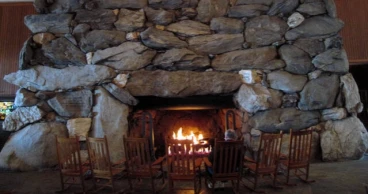
From gingerbread and mulled wine to the scent of pine and fir, familiar aromas help define the holiday season. To recreate those festive moods, many people light candles, burn incense or use fireplaces at home. While these practices can add warmth and comfort, experts caution that moderation is key to protecting indoor air quality.
All flames release chemicals and tiny particles that can irritate the airways or contribute to longer-term respiratory problems if exposure is high, health specialists say. Still, there’s no need to abandon seasonal traditions altogether, according to Dr. Meredith McCormack, director of pulmonary and critical care medicine at Johns Hopkins University’s medical school.
“Clean air is fragrance free,” McCormack said, noting that enjoying holiday scents occasionally is fine, especially if they evoke nostalgia or comfort, as long as people take steps to limit pollution indoors.
Indoor air quality often worsens during winter because people spend more time inside and keep windows closed. The American Lung Association says indoor air can become more polluted than outdoor air when contaminants are trapped without proper ventilation. Fireplaces, gas appliances, candles, cleaning products and air fresheners can all release pollutants, including fine particles and nitrogen dioxide.
Experts share advice to reduce financial stress and curb holiday overspending
Health risks depend on the source and duration of exposure, as well as individual sensitivity. Children, older adults and people with asthma or heart and lung conditions are especially vulnerable. Symptoms such as coughing, headaches, shortness of breath or sneezing may signal poor air quality, and experts advise ventilating rooms or stopping use of pollutant-producing products if irritation occurs.
Simple steps can help reduce exposure, including opening windows when possible, using HEPA air purifiers, choosing products with fewer ingredients and running exhaust fans while cooking with gas stoves. Experts also recommend setting boundaries around indoor smoking.
“Even small improvements in air quality can lead to real health benefits,” McCormack said.
Source: AP
7 months ago

Experts share advice to reduce financial stress and curb holiday overspending
The pressure to spend heavily on gifts, celebrations and travel during the holiday season can feel overwhelming, especially as many people face a tight job market, rising debt and persistently high prices.
Financial therapist Lindsay Bryan-Podvin said those feeling stretched are far from alone, urging people to be more intentional about their spending and to remember that showing care for loved ones doesn’t always require money. She noted that expectations fueled by nostalgia and social pressure often make the holidays more stressful than joyful.
What do you get when pumpkin pie collides with deep-dish pizza?
Experts say creating a clear budget is a crucial first step. Jennifer Seitz of family finance app Greenlight advised accounting for all seasonal costs — including travel, shipping and tips — and setting limits to avoid starting the new year in debt. Regular debt payments should also be included to prevent falling behind.
Shopping strategically can also help. Consumer expert Trae Bodge recommends seeking out sales, coupon codes, cash-back offers and browser extensions that automatically find discounts.
Bryan-Podvin also encourages people to identify what matters most by listing holiday expenses and prioritizing meaningful activities over obligation-driven spending. Setting boundaries, including declining events or gift exchanges, can reduce emotional and financial strain.
Finally, experts suggest creating low-cost traditions focused on shared experiences rather than purchases, which can often leave more lasting memories than expensive gifts.
Source: AP
7 months ago

Experts share strategies to cut holiday spending
The holiday season is a time for family and celebration, but it can also bring high expenses. From gifts to travel and groceries, costs can quickly add up, making budgeting essential, experts say.
Shopping expert Trae Bodge stressed the importance of saving wherever possible to avoid carrying debt into the new year.
Plan gifts early and shop smartKiersti Torok, known as Torok Coupon Hunter on social media, recommends planning gifts well in advance to take advantage of sales. She buys Christmas stocking treats right after Halloween and buys decorations on clearance after the holidays. “Waiting until a few days after Christmas, you can find items up to 75% off,” she said, often using these deals for birthdays later in the year.
Compare prices and use online toolsBodge advises comparing prices across stores, using coupons, signing up for emails, and leveraging browser extensions like PayPal Honey and Rakuten. While AI tools can suggest gift ideas, she says they are less reliable for up-to-date discounts. If an item isn’t on sale, look for a coupon or wait for a better deal.
Save on groceries with couponsFor those hosting holiday meals, using grocery coupons can significantly reduce costs. Torok recommends starting with one favorite store and using its app to get accustomed to couponing, then gradually comparing prices at other stores. Cash-back apps like Top Cash Back and Ibotta can further boost savings.
Buy in bulk and stock upGrocery expert Alli Powell suggests purchasing bulk items during holiday sales and freezing them for later use. This approach helps maximize savings and is useful year-round.
Be cautious with store credit cards and buy-now-pay-later dealsBodge warns that store credit cards and buy-now-pay-later offers are only wise if you can pay off balances promptly. Mismanaged, these options can lead to high interest charges and affect credit scores.
Flexible travel plans save moneyTravel expert Kyle Potter recommends booking flights first to maintain flexibility with dates and accommodations. Setting flight alerts on Google Flights can help track price changes and secure the best deals.
By planning ahead, comparing prices, using coupons, and remaining flexible, holiday spending can be managed without breaking the bank.
7 months ago

Don’t settle for a weak health savings account
Health savings accounts, paired with high-deductible health plans, are designed to ease medical costs. HSAs offer a rare triple tax advantage — contributions are pretax, earnings grow tax-free, and withdrawals for qualified medical expenses are also tax-free. Yet many account holders don’t contribute the full amount allowed, and even fewer invest their HSA balances beyond basic savings accounts.
Low-income workers often struggle to fund HSAs, making the HDHP–HSA pairing less helpful for them, critics say. But even higher earners sometimes avoid maxing out their accounts, partly because many HSAs charge maintenance fees or additional costs for investing.
Unlike 401(k)s, HSAs can be freely moved between providers through transfers or rollovers. Here’s how to determine whether your HSA falls short — and what to do if it does.
High-value tax benefits can be undercut by costs
HSAs can outperform other tax-advantaged accounts, particularly for those expecting ongoing medical expenses. Even if used for non-medical purposes, HSAs still behave similarly to traditional 401(k)s or IRAs. But fees and limited investment options can significantly reduce their value, especially for small-account holders.
What do you get when pumpkin pie collides with deep-dish pizza?
Key items to review include:
Setup fees: Charges at account opening, sometimes covered by employers.Maintenance fees: Monthly or annual charges to keep an account active.Transaction fees: Costs tied to using HSA funds for medical payments.Savings-account interest: Crucial for those keeping money in cash; rates often rise with larger balances.Investment expenses: Fund fees, sales loads or management charges.Investment options: Ensure available funds align with your long-term strategy.How to leave a subpar HSA
If your employer-linked HSA has high fees or poor investment choices, you have three options:
1. Open your own HSA.If you’re enrolled in a high-deductible plan, you can contribute to an HSA of your choice and deduct those contributions on your taxes. This approach, however, requires more effort than automatic payroll deductions.
2. Transfer funds to a better HSA.Continue contributing via your employer, then periodically transfer money to another HSA with better offerings. Transfers have no tax implications and can be done multiple times a year.
3. Roll over funds to a different HSA.This works like a transfer, but you temporarily receive the funds yourself and must redeposit them within 60 days. Only one rollover is permitted every 12 months, and missing the deadline counts as an early withdrawal—with a 20% penalty if you're under 65.
Source: AP
7 months ago

Paris showcases royal jewels as city still reels from Louvre heist
A sparkling exhibition of royal jewels opened Wednesday in Paris, even as the city continues to absorb the shock of October’s audacious crown-jewel theft at the nearby Louvre Museum.
The four-minute robbery emptied cases in the Louvre’s Apollo Gallery, forcing its closure and raising concerns about the security of France’s cultural treasures. Meanwhile, the “Dynastic Jewels” exhibit at the Hôtel de la Marine — itself the site of a famous 1792 crown-jewel theft — is displaying diamonds, tiaras, and other historic pieces that survived revolutions and exile.
Spread across four galleries, the exhibition features over a hundred items from the Al Thani Collection, the Victoria and Albert Museum, King Charles III, Cartier, Chaumet, and French national collections. Highlights include the 57-carat Star of Golconda, Queen Victoria’s sapphire coronet and emerald tiara, Catherine the Great’s diamond dress ornaments, and a Cartier necklace crafted for an Indian ruler.
Gen Z and Millennials turn to sustainable, home-grown alternatives
While curators did not disclose security specifics, the Hôtel de la Marine was modernized with high-grade protections when it reopened in 2021. The Louvre, meanwhile, is upgrading surveillance and anti-intrusion systems after the theft, and none of the stolen items have been recovered.
Curator Amin Jaffer said the exhibit demonstrates how gemstones and ceremonial objects historically reflected identity, power, and prestige. Yet some Parisians feel the timing is sensitive. “People are still upset about the Louvre incident, and now there’s another jewel display opening nearby. It feels too soon,” said Alexandre Benhamou, a gift shop manager.
Despite the uneasy backdrop, curators hope visitors will appreciate the history, craftsmanship, and stories embedded in the treasures.
Source: AP
7 months ago