special
Farmers in Sunamganj haor region worried over cattle feed shortage after crop loss
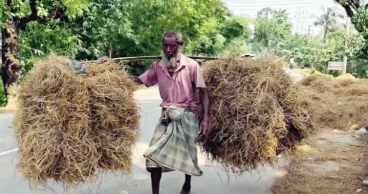
Farmers and cattle rearers in Sunamganj’s haor region are facing growing uncertainty over livestock feed after heavy rainfall damaged paddy crops and disrupted the collection of straw, the main source of cattle fodder.
Following widespread crop loss due to waterlogging and flash floods, farmers said they have been unable to collect sufficient straw (locally known as khor) for cattle feed. Straw cut from submerged fields could not be properly dried due to continuous adverse weather and has largely rotted.
Although some farmers managed to collect portions of damaged straw after the weather improved, they said it is not enough for livestock consumption.
As a result, many cattle rearers are being forced to sell cattle at lower prices, raising concerns over their livelihoods.
Farmers in the 12 upazilas of Sunamganj said cattle, including cows and buffaloes, are closely linked to the haor economy, supporting ploughing, protein supply and household income.
They said around 85 pc of cattle feed in the district normally comes from paddy straw, while natural grass provides some support during the dry season. However, for nearly six months of the year, livestock depend mainly on stored straw.
This year’s flood-related damage has severely affected straw collection, leaving most farmers and small-scale livestock owners without adequate feed reserves.
An elderly farmer from Janigaon village under Sadar upazila, Shamsu Mia, said he owns nine cattle and usually depends on straw collected during the Baishakh season. However, this year he was unable to store enough due to flooding.
He said even the small amount of rotted straw he managed to dry would not last for more than two months, leaving him worried about sustaining his livestock.
Another farmer from Solf village under Shantiganj upazila, Ruhul, said he may be forced to sell part of his cattle herd as he has no clear plan for feeding them.
“We could not store straw or fodder this year. I don’t know how to continue raising cattle. I may have to sell some of them,” he said.
Farmers said many others are in a similar situation and are selling cattle at low prices out of necessity, calling for government support to address the crisis.
“Without feed, we will have to sell cattle at lower prices. Many are already doing so,” said Rukunuddin of Janigaon village.
Officials at the Department of Livestock Services in Sunamganj said the district usually produces around 1.8 million tonnes of straw annually, but this year’s flood damage will reduce output significantly.
District Livestock Officer Dr Rofikul Islam said the feed crisis is already emerging due to crop damage and waterlogging.
He advised farmers to reduce reliance on straw and use alternative feeds such as bran, crushed rice, and commercial feed supplements to ensure livestock nutrition.
2 months ago

Large expansion of social safety net envisioned in BNP govt’s first budget
Amid domestic economic slowdown due to the scam-hit banking sector, revenue shortfall, high inflation, and the aftermath of war in West Asia, the government is preparing a landmark budget for the upcoming fiscal (2026-27), with a primary focus on establishing a comprehensive ‘Welfare State’, according to officials of the budget section at the Ministry of Finance.
Finance Minister Amir Khosru Mahmud Chowdhury is expected to present a record Tk 9.30 lakh crore budget in the National Parliament on June 11. The proposed fiscal plan shifts from traditional allowance-based aid to an integrated family-centric protection framework, significantly expanding both funding and the number of beneficiaries.
The government plans to increase the number of social safety net beneficiaries to approximately 3.63 crore in the budget of the upcoming fiscal year, up from 2.60 crore in the current fiscal year, FY2025-26. To support this expansion, the allocation is set to jump to Tk 35,708 crore, compared to the current Tk 21,701 crore, said the officials.
The government plans to increase different social safety net coverage in the upcoming budget. Among these:
'Family Card' at the heart of protection: The BNP’s flagship ‘Family Card’ remains the centerpiece of the government's social security strategy. The number of families under this program is slated to rise to 41 lakh.
To prevent duplication, Family Card holders will be ineligible for other individual social allowances, such as old-age or widow benefits.
The government aims to cover 1.61 crore families by FY2029-30, with a projected five-year expenditure of Tk 1.33 lakh crore.
Major Boost for Agriculture and Health Sector:
To secure the rural economy, the ‘Farmer Card’ program will be expanded to cover 42.5 lakh farmers, each receiving an annual cash assistance of Tk 2,500.
In the health sector, the government plans to double the financial assistance for patients suffering from critical illnesses like cancer, kidney disease, and Thalassemia. The grant per patient is expected to increase from Tk 50,000 to Tk 1 lakh for 65,000 beneficiaries.
Reforms in Traditional Allowances:
The monthly benefit will increase from Tk 650 to Tk 700, with the number of beneficiaries rising to 62 lakh. Citizens aged 90 and above will receive a special monthly rate of Tk 1,000.
The monthly Widow Allowance will also rise to Tk 700.
As for the Disability Allowance, coverage will expand to 36 lakh individuals, though the monthly rate remains at Tk 900.
Focus on Religious Institutions and Employment:
In a significant move, the government is massively expanding honorariums for staff at religious institutions (mosques, temples, churches, etc.). The number of beneficiaries—including Imams, Muazzins, and Priests—will soar from 18,000 to over 2.56 lakh, with the budget increasing from Tk 27 crore to Tk 1,081 crore.
Furthermore, to combat inflation-induced food insecurity, the ‘Food-Friendly Program’ will now provide 15 kg of rice at Tk 15 per kg to 60 lakh families.
While the expansion is politically popular and aims to mitigate high inflation, economists warn of severe implementation challenges.
Financing such a massive expansion is difficult given the current revenue shortage. The widening budget deficit, exacerbated by global trade volatility, remains a threat to long-term sustainability.
Experts emphasize that the success of these programs hinges on a transparent, digitalized beneficiary selection process to ensure aid reaches the truly needy.
The 2026-27 budget is expected to serve as a political and economic manifesto, as the first budget of the elected government that followed the July Uprising, and it will attempt to balance the promise of social equity with the harsh realities of a volatile global economy.
According to Dr Jyoti Rahman, who works as a technical expert with the IMF on macroeconomic and fiscal policy issues, there are two time horizons through which the government's "welfarist" policies should be viewed.
“Firstly, the short-to-medium term,” he says. “Since Covid, inflation has eroded the real wages of the working poor and even the middle class. Household savings have declined. And then came the Iran War. But the government can't stimulate the economy through interest rate cuts and megaprojects as in the low interest era of the 2010s anymore.”
That is where welfare payments to households, as long they are fiscally sustainable (that is, paid for by rising revenue), can be a sensible way to support beleaguered households, Rahman contends.
“Secondly, the longer term,” he continues. “The government appears to be philosophically committed to a growth model that is different from the megaproject-driven model of the Hasina regime. The exact details of this model isn't clear yet, but it might be something along the lines of private investment generating employment and income, which generates tax and redistribution.”
Here the key, obviously, will lie in whether the government is capable of implementing this vision.
2 months ago

Is Dhaka prepared for a worsening water crisis?
Dhaka is facing a mounting water crisis as rapid urbanisation, excessive dependence on groundwater and years of delays in major infrastructure projects continue to strain the capital’s fragile supply system.
Dhaka’s rivers, lakes and canals are shrinking rapidly due to unchecked urbanisation and encroachment.
According to Dhaka’s 2010 area plan, the capital had around 5,523 acres of surface water bodies, but a 2017 RAJUK study found that only about 30 percent of those areas remained within seven years.
Experts say pollution has also worsened significantly, while a study conducted by WASA in 2018 found contamination levels in the city’s rivers so severe that the water can no longer be treated for human consumption.
Experts and officials said unless surface water projects are implemented quickly and river pollution is brought under control, the city could face acute shortages in the coming years, alongside serious environmental consequences caused by overextraction of groundwater.
The city now uses nearly five times more water than it did three decades ago, while hotter and longer summers are further increasing pressure on supply.
Home to more than 20 million people, the capital currently requires between 2.7 billion and 3 billion litres of water every day.
Against this demand, Dhaka WASA supplies around 2.6 billion to 2.9 billion litres daily, leaving only a thin margin between supply and demand.
Despite long-standing plans to reduce dependence on underground sources, nearly two-thirds of the city’s water still comes from groundwater extracted through deep tube wells.
According to WASA data, the agency currently produces nearly 2,977 million litres of water daily, most of it drawn from underground aquifers.
Excessive extraction have already caused groundwater levels in many parts of Dhaka to decline sharply.
Experts also said that continued depletion of aquifers could trigger land subsidence, threatening roads, buildings and other urban infrastructure.
Deeper extraction may also increase the risk of contamination from arsenic and other harmful substances.
Major projects stuck for years
Officials say several key water treatment projects have remained stalled for years due to bureaucratic delays, land disputes and poor coordination among agencies.
Dhaka WASA Additional Chief Engineer Alamgir Hachin Ahmed said many projects that were originally scheduled for completion within five years are now taking more than a decade.
“In many cases, projects supposed to be completed within five years are taking 10 to 12 years,” he said.
He attributed the delays to administrative complications, slow approval processes, land acquisition problems and difficulties in obtaining permissions for pipeline installation and road excavation.
He said Dhaka WASA is currently bringing water from the Meghna, Shitalakkhya and Buriganga rivers to supply the capital.
“At present, around 51 kilometres of pipeline are being used to transport water. If necessary, the network may be expanded to nearly 150 kilometres in the future,” he said.
The Gandharbpur Water Treatment Plant project, expected to supply 500 million litres of water daily, has faced prolonged delays mainly because of land acquisition complications and failure to secure permission for road excavation needed for pipeline installation.
The Saidabad Phase-3 project has also seen years of slow progress.
Currently, surface water is being supplied from the Saidabad project with around 450 million litres daily, the Padma project with about 250 million litres and the Savar project with roughly 100 to 120 million litres.
Officials said current level of surface water supply remains inadequate compared to rapidly rising demand.
Warning of growing long-term risks, Alamgir said authorities may one day have to consider bringing water from the Bay of Bengal if the crisis worsens further.
Polluted rivers complicating treatment
Experts say worsening pollution in rivers surrounding Dhaka is creating another major challenge for the city’s future water security.
Untreated industrial waste, sewage and chemical pollution in rivers such as the Buriganga and Shitalakkhya are making water treatment increasingly difficult and costly.
Experts warn that deteriorating river quality could undermine Dhaka’s long-term transition towards surface water dependence.
Emergency project again relies on groundwater
Amid growing concerns over water shortages during the summer season, Dhaka WASA is now moving ahead with an emergency supply project that again depends heavily on groundwater extraction.
A Tk 920.85 crore project titled “Emergency Water Supply in Dhaka City” is expected to be placed before the Executive Committee of the National Economic Council (ECNEC) for approval.
The project aims to ensure an additional 576 million litres of water supply by replacing 388 old deep tube wells and installing 62 new ones.
It also includes installation of 450 pump-motor units, construction of 250 pump houses and deployment of 124 SCADA systems.
The project is scheduled for implementation between January 2026 and June 2030.
Dhaka WASA Supervising Engineer Abdul Majid said around 1,330 deep tube wells are currently operating across the capital.
“When production declines, replacement boreholes are installed at the same locations,” he said.
Experts urge long-term strategy
Speaking at a recent seminar titled “Water Rights in Bangladesh,” State Minister for Water Resources Farhad Hossain Azad said access to safe drinking water must be treated as a basic right.
“Water is another name for life. Yet 26 percent of the country’s people still do not have access to safe drinking water,” he said.
Economist Dr Hossain Zillur Rahman warned that freshwater sources are shrinking steadily and stressed the need for responsible land use management and greater public awareness regarding water conservation.
Experts stressed that without an integrated long-term water management strategy, rapid expansion of surface water infrastructure and effective protection of rivers and groundwater reserves, Dhaka’s water crisis could intensify further in the coming years.
2 months ago
Patients turned away as drug crisis cripples 28 community clinics in Thakurgaon’s Pirganj
In the villages of northern district Thakurgaon, community clinics once stood as a lifeline for thousands of low-income families – places where a fever, a stomach infection or a child’s cough could be treated free of cost, just a short walk from home.
However, today, many of those same clinics tell a different story.
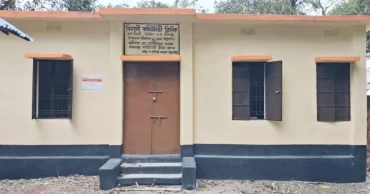
Rows of medicine shelves sit nearly empty across all 28 community clinics in Pirganj, leaving hundreds of patients returning home without treatment and exposing the fragile reality of rural healthcare for some of the country’s most vulnerable people.
Except for limited supplies of iron and antacid tablets reserved mainly for pregnant women, most essential medicines – from fever reducers and painkillers to gastric and diarrhoea treatments – have disappeared from clinic inventories.
For six months, the shortage has quietly deepened, hitting hardest the poor people.
“Earlier we could get medicines here for fever, cough, pain, gastric problems—even dysentery,” said one woman who came seeking treatment at Birholi Community Clinic. “Now we leave empty-handed. We are poor people. Buying medicines outside is not always possible.”
Her frustration is echoed across village after village.
Patients at Budhigaon and Bhakura community clinics said the facilities had once spared them costly trips to town hospitals. Now, despite the clinics being within walking distance, many must travel farther – or simply go without treatment.
Under Bangladesh’s rural healthcare model, each community clinic serves roughly 6,000 people in Pirganj.
Health officials say the crisis began after medicine allocations gradually declined.
Clinics that once received 27 types of medicines later saw that number reduced to 22. The last major supply arrived in August last year, while limited follow-up deliveries ran out by November and December.
No adequate replenishment has arrived since.
Omar Faruk, acting storekeeper at Pirganj Upazila Health Complex, said supplies are no longer coming as regularly as before.
“Whatever medicines arrive are divided among all community clinics, but the quantity is very limited and gets exhausted within a few months,” he said.
At Chandaria Community Clinic, health worker Baby Naznin says the situation has become emotionally exhausting.
“For nearly five months, we have had almost no medicines,” she said. “Every day patients come with fever, cough, diarrhoea, weakness and other illnesses. We examine them, give advice – but often have nothing to hand over.”
Officials acknowledge the problem.
Dr Abul Basar Md Saiduzzaman, acting Upazila Health and Family Planning Officer, said some medicines have recently arrived and distribution will begin soon, though he warned the crisis may persist until fresh allocations are approved in the new fiscal year.
Meanwhile, Dr Anisur Rahman, Civil Surgeon of Thakurgaon, confirmed that the shortage has been reported to higher authorities and expressed hope that normal supply will resume soon.
But for villagers who depend on these clinics not by choice, but by necessity, hope alone cannot treat a fever.
Until the shelves are refilled, the promise of free rural healthcare remains – quite literally – out of stock.
2 months ago

30 years after closure, Trust Modern Hospital at Mirpur may get new life
More than three decades after the once-ambitious Trust Modern Hospital in Mirpur shut its doors, the government is now considering whether the abandoned facility can be revived or replaced with a new modern healthcare complex.
The Ministry of Liberation War Affairs is currently assessing the feasibility of constructing a contemporary medical facility on the site, following the dissolution of the Freedom Fighter Complex Fund Committee and the transfer of its assets to the Bangladesh Freedom Fighters Welfare Trust.
Located on 13.22 acres in Senpara Parbata, the property carries a long and complicated history tied to post-independence welfare initiatives for freedom fighters and families of martyrs.
The land was originally leased in 1980 under directives issued during the tenure of former president Ziaur Rahman.
A four-storey building was later constructed in 1984 on part of the land to accommodate wounded freedom fighters and families of martyrs.
Officials said the facility initially housed 16 injured veterans and five martyr families before the residents were relocated to pave the way for the establishment of Trust Modern Hospital.
Under a joint French-Bangladeshi grant arrangement, the hospital was expanded into a 100-bed medical facility and formally inaugurated by former prime minister Khaleda Zia on December 1, 1991.
Despite the ambitious plan, the hospital failed to continue operations and was shut down just two years later in 1993.
Since then, the building has remained abandoned.
Officials involved in recent assessments described the structure as severely deteriorated after decades of neglect.
According to ministry documents, the existing building is now around 45 years old and in an “extremely dilapidated condition”, raising concerns over whether renovation is technically feasible.
Authorities are also questioning whether the designated 68-decimal hospital zone would be sufficient for a modern healthcare facility in densely populated Mirpur, where population growth and urban expansion have accelerated significantly since the 1990s.
The building is dilapidated after 30 years of abandonment,said an official document reviewed by UNB.
It said any future development would require detailed technical assessments to determine whether the site can meet current healthcare infrastructure standards.
While the original 1980 lease stipulated a 30-year term with options for two subsequent renewals, the lease was not renewed under the Fund Committee's name when the first term expired in 2010.
Following the May 2025 gazette notification, the Dhaka District Administration is currently processing the transfer of the lease to the Bangladesh Freedom Fighters Welfare Trust.
The Freedom Fighter Complex Fund Committee was formally abolished through a government gazette notification issued on May 28, 2025.
Following the move, all assets and land management responsibilities were transferred to the Bangladesh Freedom Fighters Welfare Trust.
Officials said the Dhaka district administration is currently processing the transfer of the lease in the trust’s name.
The original lease agreement signed in 1980 had a 30-year tenure with provisions for two renewals. However, the lease was not renewed under the Fund Committee after the initial term expired in 2010.
Ministry officials said a final decision on whether the hospital will be renovated, reconstructed, or replaced entirely will depend on consultations between technical experts and the Ministry of Liberation War Affairs.
For now, the abandoned hospital — once envisioned as a major welfare initiative for freedom fighters — stands as a reminder of an unfinished promise, awaiting a decision on whether it can once again serve public healthcare needs.
2 months ago
Giant bulls ‘Kala Babu’, ‘Dhala Babu’ steal Eid spotlight in Thakurgaon
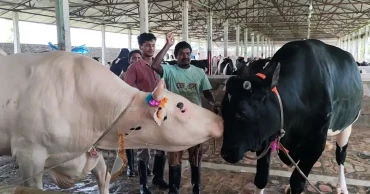
Two giant bulls named ‘Kala Babu’ and ‘Dhala Babu’ have become major attractions in Thakurgaon district ahead of Eid-ul-Azha, drawing crowds of curious visitors and potential buyers to a local farm every day.The bulls, weighing a combined total of around 85 maunds, are being raised at Bismillah Agro Farm in Sadar upazila of the district under special care.People of different ages are flocking to the farm from distant areas, with many coming out of curiosity while others are looking to buy cattle for sacrifice during Eid-ul-Azha.The festive atmosphere at the farm has intensified as the huge bulls gained popularity on social media due to their enormous size and eye-catching appearance.Farm authorities said the Friesian breed cattle have been raised carefully for the past three years with a strict and nutritious diet that includes green grass, bran, oil cake, corn, straw and various fruits.Workers of the farm said the bulls were raised naturally without using any harmful medicines or injections.To attract buyers ahead of Eid, the bulls have been decorated in a groom-and-bride style with colourful ribbons, ornaments and patterned fabrics, further increasing visitors’ interest.Many visitors were seen taking photos and videos with the cattle and sharing them on social media.However, due to their massive size, farm workers are facing difficulties controlling the animals, especially when they are occasionally taken outside the farm at visitors’ requests.Md Rafiqul Islam, director of the farm, said ‘Kala Babu’ has four permanent teeth while ‘Dhala Babu’ has two. “We have raised them with great care for the last three years. Regular care and quality food helped them achieve this size,” he said.The cattle will be sold at Tk 450 per kilogram based on live weight, he added.Many people are visiting just to see them, while others are asking about the price with interest.“We want to provide healthy and quality cattle for Eid sacrifice,” Rafiqul said.A farm employee said the bulls are cleaned every morning and given special food according to a fixed diet plan throughout the day.“Due to the hot weather, they are bathed regularly and proper rest is ensured,” he added.District Livestock Officer Md Saidur Rahman said they are maintaining strict monitoring to prevent the use of harmful substances in cattle fattening ahead of Eid-ul-Azha.“Farms are being inspected regularly to ensure safe and healthy animals,” he said.
2 months ago

EC plans unified code of conduct for local polls, poster-free campaigns
The Election Commission (EC) is planning to introduce a uniform code of conduct for elections to all five types of local government bodies to make the rules easier for people to understand and ensure effective enforcement ahead of a massive electoral cycle likely to begin later this year.
As part of preparation to conduct elections to local government bodies throughout the country, the commission has already taken initiative to revise separate election codes for city corporations, municipalities, zila parishads, upazila parishads and union parishads.
The EC has, in principle, taken a decision to make the election codes for the local bodies largely similar to the code of conduct applied in the recent 13th parliamentary election.
Following the successful implementation of the latest code for parliamentary polls during the February-12 general election, the Commission now plans to incorporate several provisions, including restriction on using posters as well, in the polls codes for the local body elections.
Election Commissioner Abdur Rahmanel Masud said a proposal for a single code of conduct for all local government bodies would be placed before the Commission.
“I think a single code of conduct rule should be there for all local government bodies. I will place a proposal for it,” he told UNB.
Asked about possible changes to the codes, Masud said the local election code would be almost similar to the one used in the 13th parliamentary election.
“There will be a ban on the use of posters and restrictions related to misuse of AI and social media,” he said.
Senior officials of the EC Secretariat have already been instructed to prepare draft amendments to the polls codes and election conduct rules for city corporations, municipalities, district, upazila and union parishads.
EC officials said the ban on posters in parliamentary elections gained positive results and the same approach would now be applied to local government polls to reduce environmental pollution and bring changes to traditional campaigning methods.
Ahead of the last general election, the EC issued the Code of Conduct for Political Parties and Candidates in Parliamentary Elections Rules, 2025, prohibiting the use of posters,helicopters and drones, along with prohibition on misuse of artificial intelligence (AI) and social media in election campaigns.
Under the 2025 code, posters are completely banned, while pamphlets, leaflets, handbills, festoons or banners made from non-biodegradable materials such as rexine, polythene or plastic are also prohibited. However, candidates are allowed to install a maximum of 20 billboards in a constituency, each measuring no more than 16 feet by 9 feet.
The parliamentary election code also prohibits malicious use of AI in campaign activities. Harmful content, including hate speech, misinformation, manipulated images, fabricated election-related information and inflammatory language targeting opponents, women, minorities or any other groups, is barred on social media platforms.
Punishment for violating the parliamentary election code was also strengthened, with the maximum penalty increased to six months’ imprisonment and a fine of Tk 150,000, up from six month jail and Tk 50,000 fine previously.
EC officials said the Commission is also considering measures to prevent undue influence by members of parliament in local government elections as the upcoming elections to the local bodies without the use of political party symbols.
Abdur Rahmanel Masud said laws have already been passed in parliament to conduct the elections to local government bodies using non-party electoral symbols.
“We have received copies of the laws… But the commission has not yet decided when the elections will begin. For now, we are keeping preparations in place,” he said.
With the government establishing a designated room named ‘visiting room’ for MPs at the upazila Parishad complex, the EC is thinking of introducing new provisions to prevent lawmakers from influencing in local polls from those offices.
The commission is also planning changes to nomination forms, including mandatory disclosure of overseas assets in affidavits.
Officials said the commission is taking preparations assuming that local government elections may start at the end of this year.
During the Deputy Commissioners’ Conference on May 5, Chief Election Commissioner AMM Nasir Uddin and the four election commissioners instructed field administrators to prepare for local polls and maintain standards similar to parliamentary elections.
According to EC estimates, elections to 12 city corporations, over 450 upazila parishads, more than 300 municipalities and 61 zila parishads are already overdue and can be held immediately without legal complications.
Besides, the legal timeframe for holding elections to around 600 union parishads began in April, making polls mandatory by October next. The 180-day countdown for elections in more than 2,800 additional union parishads will begin by July.
In this situation, the EC would be able to announce election schedules once it receives a green signal from the local government division, although the government has indicated that local government elections may begin at the end of the current year.
2 months ago
Sirajganj farmers gear up for Eid cattle trade with over 617,000 sacrificial animals
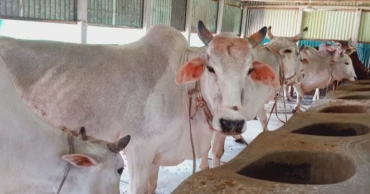
Cattle farmers in Sirajganj are now busy fattening cattle ahead of Eid-ul-Azha, with more than 617,000 sacrificial animals prepared to meet the growing seasonal demand.
Farmers and traders said preparations have intensified across the district as the annual religious festival approaches, with hopes of better earnings during the peak cattle trading season.
According to the district livestock department, farms in all nine upazilas have been rearing and fattening cows, buffaloes, goats and sheep for several months.
Fattening activities are particularly visible in Shahjadpur, Ullapara, Enayetpur and Belkuchi upazilas, while farmers in Kamarkhanda, Raiganj, Chauhali, Kazipur and Sirajganj Sadar are also actively raising sacrificial animals.
Apart from commercial farms, many rural households are rearing cattle on a small scale as an additional source of income ahead of Eid.
Trading of sacrificial animals has already begun at some local cattle markets, although traders expect the main rush to start closer to Eid.
District livestock officials said campaigns are underway to discourage the use of harmful chemicals and steroids in cattle fattening.
“We are regularly visiting farms and encouraging farmers to follow natural fattening methods,” said Dr Anarul Haque, an official of the district livestock department.
He said farmers are also receiving medicines, technical assistance and training to ensure healthy livestock production.
Farmers, however, expressed concern over the rising prices of cattle feed, saying higher feed costs are increasing overall production expenses.
“As feed prices continue to rise, the cost of raising cattle is also going up. That may push up cattle prices this Eid season,” said Abdur Rahim, a cattle farmer from Shahjadpur upazila.
According to the livestock department, a total of 617,723 sacrificial animals have been prepared in the district this year against a local demand of around 293,000 animals.
Officials said the surplus livestock will be supplied to Dhaka and other parts of the country ahead of Eid, creating income opportunities for both commercial farmers and marginal rural households.
There are currently 27 permanent and 20 temporary cattle markets in the district where sacrificial animals will be traded, officials said.
Veterinary teams will remain active at cattle markets to inspect animals and provide necessary medical support to ensure safe trading and animal health.
Authorities are also taking online promotional initiatives to help farmers market their cattle and connect with buyers more easily ahead of Eid-ul-Azha.
2 months ago

Border drug flow fuels addiction, crimes in Kurigram’s Phulbari
The recent suicide of a 35-year-old trader in Phulbari upazila of Kurigram has spotlighted a worsening drug crisis in the bordering upazila where easy access to narcotics is drawing youths into addiction and related crimes.
Chandan Kumar Ravidash of Kurushafarusha village took his own life on May 8 after a prolonged struggle with substance abuse.
A goldsmith by profession, he had built a small jewellery business in Balarhat Bazar and was supporting a family with three young children.
His family said addiction steadily eroded his life draining his income, straining relationships and leaving him increasingly unstable despite repeated attempts at rehabilitation.
“Drugs destroyed my son. We tried everything to save him, but couldn’t,” said his father, Dinesh Kumar Ravidash. “Now his children are left without a father. No parent should have to endure this.”
Kishore Kumar Bhattacharya, a fellow trader, said Chandan was once known as a polite and cheerful man. “We still cannot accept his death. Addiction slowly ruined him,” he said.
A wider, hidden crisis
Chandan’s death reflects a broader pattern. On the same day, a widow in Naodanga area also died by suicide, reportedly driven by despair over her only son’s addiction.
Local sources say many youths from across the upazila are currently receiving treatment in rehabilitation centers.
For poor, agriculture-dependent families, the cost—often around Tk 40,000 per month—is a heavy burden, forcing some to sell land or assets.
A resident from Gorokmondol, who requested anonymity, said, “My younger brother is addicted. We are trying to save him, but the cost of treatment is extremely difficult for us.”
Abdul Majid Manik, a resident of Naodanga union, said he had to send his son to rehabilitation twice and even hand him over to police at one point. “Without collective social resistance, it is impossible to control this problem,” he said.
A sharp rise in drug abuse in Phulbari upazila of Kurigram is sparking growing concern, as addiction spreads rapidly among young people and begins to take a heavy toll on families and the wider community.
Residents say narcotics have become increasingly accessible in border are, drawing in youths, including school and college students.
The fallout is evident in a parallel rise in crimes such as theft and mugging, leaving parents, teachers, and community leaders deeply concerned.
Despite ongoing anti-drug drives by law enforcement agencies, locals said there has been little visible improvement. Many are now calling for tougher, more coordinated action to stem the crisis.
Authorities warn of growing threat
Local public representatives and educationists said the situation is becoming increasingly alarming.
Abdul Hanif Sarker, principal of Naodanga School and College, said drug use among students is rising.
“We are running awareness campaigns, but without stronger social resistance, it is difficult to eliminate this,” he said, adding that addiction is also pushing many youths into criminal activities.
Naodanga Union Parishad Chairman Md Hasen Ali blamed lack of family awareness. “When a child suddenly brings expensive items home, families often do not question the source. This negligence is dangerous,” he said.
Police say anti-drug operations are ongoing, while the upazila administration has proposed setting up a permanent checkpoint in Balarhat to curb drug trafficking.
Upazila Nirbahi Officer Dilara Akter said administrative efforts alone are not enough. “Families must be more vigilant about their children where they go and who they associate with,” she said.
Local people fear that without immediate and effective action, the future generation of Phulbari could face a devastating crisis.
National backdrop adds urgency
The situation in Phulbari reflects a broader national concern
A total of 82 lakh people, almost 5% of the population in Bangladesh, use illegal drugs for recreational purposes, according to the findings of a nationwide survey.
Professor Md Shahinul Alam, vice-chancellor of Bangladesh Medical University (BMU), disclosed the survey at a dissemination meeting titled “Estimation of the Number and Category of Persons Abusing Drugs and Associated Factors:
The study was conducted under the supervision of the Department of Narcotics Control (DNC) and Bangladesh Medical University and Research and Management Consultants Limited (RMCL) jointly conducted the survey between February and June 2025.
The study identified cannabis as the most commonly used drug, with nearly 61 lakh users nationwide. This was followed by methamphetamine or Yaba (about 23 lakh), alcohol (around 20 lakh), codeine-based cough syrup, sleeping pills and heroin.
Around 39,000 people were found to inject drugs, placing them at high risk of HIV, hepatitis and other infectious diseases.
Researchers found that drug users spend an average of Tk 6,000 per month on drugs.
The study also revealed that drug abuse largely begins at a young age, with about 33 percent of users first taking drugs between the ages of 8-17, while 59 percent started between 18- 25.
2 months ago
Bangladesh-India border fatalities persist amid calls for restraint
Despite repeated assurances from Indian Border Security Force (BSF) to minimise the use of lethal force and bring border killings down to zero, fatalities along the Bangladesh-India frontier continue to spark concern.
Even as Dhaka and New Delhi step up engagement to reset bilateral ties, incidents along the border suggest a persistent gap between commitments and realities on the ground.
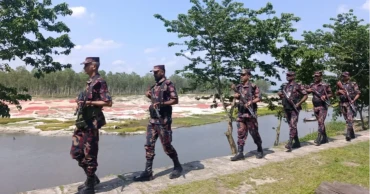
BSF officials have on multiple occasions pledged restraint during Director General-level meetings and other border conferences with Border Guard Bangladesh (BGB).
Joint Records of Discussion (JRDs) from these meetings regularly emphasise the use of non-lethal measures including rubber bullets.
BGB on high alert along Kurigram border over fears of illegal infiltration, push-ins
However, rights groups say most victims are still killed by gunfire, pointing to the continued use of lethal weapons.
Allegations of excessive force including shootings, physical abuse and aggressive pursuit remain frequent, particularly in cases linked to suspected cattle smuggling, unauthorised crossings and informal cross-border trade.
Deaths remain steady despite commitments
Data from rights organisation Ain o Salish Kendra (ASK) shows that at least 91 Bangladeshis were killed and 87 others injured in alleged BSF firing between January 1, 2023 and May 9, 2026.
Year-wise data indicates a steady pattern: 26 killed and 32 injured in 2023; 30 killed and 29 injured in 2024; and 31 killed and 18 injured in 2025. So far this year, four people have been killed and eight injured.
The figures suggest that the use of lethal force has not significantly declined despite repeated pledges.
Over the past decade, border killings have remained a recurring concern, with Bangladesh recording one of the highest numbers of such deaths globally.
Fresh incidents heighten alarm
The latest incident occurred early on May 9 along the Pathariadar border in Kasba upazila of Brahmanbaria, where two Bangladeshis — Morsalin, an HSC second-year student, and Nabi Hossain, 40 — were shot dead by BSF personnel.
Family members said the bodies were taken to a hospital in Agartala.
Witnesses claimed BSF opened fire on a group of 20 to 25 people near the border, killing Morsalin on the spot.
Locals also alleged that several others were injured and later taken to Cumilla for treatment. Family members confirmed Nabi’s death.
Earlier incidents reflect a similar pattern.
On July 2, 2025, Ibrahim Khalil Babu, 29, was killed in firing at the Sultanpur border in Chuadanga. On December 5 the same year, the body of Sabuj Islam, 29, who was shot dead along the Patgram border in Lalmonirhat, was handed over to BGB following a flag meeting.
Violence amid renewed engagement
Analysts note that incidents of border violence often coincide with periods of diplomatic engagement, raising questions about the effectiveness of existing mechanisms.
Since the formation of a government led by Prime Minister Tarique Rahman, contacts between Dhaka and New Delhi have increased, signalling a possible shift toward more constructive cooperation.
The renewed engagement, following strained ties during the interim administration, reflects a shared intent to recalibrate relations, with a focus on dialogue, economic cooperation and regional connectivity.
Yet continued reports of shootings along the border are fuelling public concern.
Calls for accountability
Experts say assurances alone are not enough and stress the need for stronger monitoring and accountability.
They recommend enhanced real-time communication between BGB and BSF, more joint patrols and strict adherence to international human rights standards.
Transparent investigations into each incident and punitive action in proven cases are also essential, they say.
2 months ago