special

Arbitrary deals and policy shifts build mountains of unsold stones at MGMCL
Arbitrary railway construction deals with India and policy shift by the Bangladesh Water Development Board left mountains of mined stones unsold at the state-owned Maddhapara Granite Mining Company Limited (MGMCL), which has the capacity to meet a maximum of 8 per cent of the country’s annual power demand, the mine authorities said.
The unsold mountains of stone attracted media attention after stone theft in picturesque Sada Pathor of Sylhet stripped stretches of the Dhalai River of its magnificent white stones, carried along by the onrush of water from the great hills of Meghalaya, particularly during monsoons, leaving behind pits and holes.
Though the stone theft in Sylhet has been going on for years, the crime surged after the political changeover in last year’s August.
Stones theft from ‘Sada Pathor’ are of the sizes of five to 20mm and 20 to 40mm, the MGMCL officials said, used in small projects of the Local Government Engineering Department and Road and Highways and in the private construction of residences.
The MGMCL produces monthly about 1,000 tonnes of stones measuring five to 20mm and maximum 250 tonnes of stones measuring 20-40mm. The entire production gets sold as soon as they are made at prices of Tk 3250 a tonne and Tk 3600 a tonne, which is competitive to the market price.
“The largest mountain of stone at the yard is of the size of 40-60mm, also known as blast stone,” said Abdullah Al Mamun, deputy general manager, MGMCL.
11 months ago
Bangladesh Bank’s new agro-rural credit policy fails to excite farmers
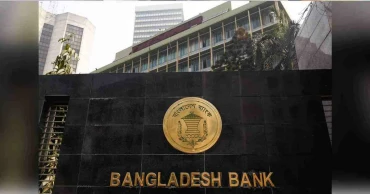
Bangladesh Bank’s latest revision of the agro-rural credit policy announced on Tuesday failed to excite farmers, who are in need of financial support more than ever before being hit by recurring disasters and inflation.
The credit policy is annually revised and the latest revision of the policy was completed with nine additions or changes, none of which, however, dealt with core concerns of the farmers.
Farmers complain about inadequate allocation for agricultural loans and its existing high interest rate, which varies between 5 and 8 per cent, a burden for all farmers for their crops not fetching legitimate prices.
For a long time Bangladesh's mostly subsistence farmers are trying to prop up their lives, particularly after disasters or crop failures or price falls, by turning to microcredit lenders or local loan sharks to access some cash. Farmers end up being caught in a debt cycle.
The central bank’s credit policy does not say anything about relieving these farmers caught in the debt cycle. The overall increase in loan allocation is insignificant while there is a high possibility of the allocated loan never reaching farmers who really needed it.
“Agricultural loan is a burden,” said Abu Bakar Siddique, an agro-entrepreneur from Mymensingh.
“Even after going through hurdles to get loans from private banks, repaying them often forces us to sell farmland. Interest rates, though initially low, keep increasing over time. Crop damage and fish farm flooding make repayment almost impossible,” he said.
BB announces Tk 39,000cr agro and rural loan target for FY2025-26
Abu Bakar represents the unfortunate lot of farmers who often fail to repay their loans. After failing to pay five installments in the last five months against Tk 12 lakh loan, Bakar was recently served a notice by a private bank, warning him of a police case unless he soon cleared his installments.
“We barely get our production cost back from selling crops, let alone making money to repay loans with high interest,” said Samsuddin, another farmer from Mymensingh.
The inevitable harsh fiscal reality often compels farmers to switch their profession by taking agricultural loans. Many farmers set up makeshift retail shops or find a better way of making money.
Farmers in Barishal’s Bakerganj upazila said that many of their colleagues took agricultural loans and invested it in non-farm ventures such as retail shops or land trading.
Farmers have long been demanding interest-free farm loans.
Currently, Bangladesh Bank instructs banks to lend at a concessional rate of 4 percent for certain import-substitute crops, while most other farm loans carry 5–8 percent interest—sometimes more.
The central bank guidelines allow banks to set their own rates, within the ceiling it prescribes.
Abdul Bayes, agricultural economist and a former vice-chancellor of Jahangirnagar University, however, warned against a blanket interest-free policy.
“If loans are interest-free, funds will end up in the wrong hands. Banks incur operating costs. While interest must remain farmer-friendly, the government should ensure proper oversight,” he said.
Bayes recommended targeted subsidies, longer grace periods, and repayment relief in disaster-hit areas, stressing that crop losses in one season should allow farmers up to 12 instalments to repay, without facing legal harassment.
Bangladesh’s banking sector pulled back from the brink: BB Governor
Private bank officials admitted they often lack the field-level capacity to screen and monitor agricultural loans, with many not having rural branches in upazilas and unions—making it harder to reach small and marginal farmers, who avoid travelling to urban centres for loans.
Under Bangladesh Bank’s crop hypothecation policy, marginal farmers owning 0.49 to 2.47 acres can secure loans using crops as collateral. But many private banks are reluctant, saying it is difficult to recover dues from crop sale proceeds from a farmer.
Private bankers' view exposes another aspect of farmers’ hardship. Crop prices fall routinely during harvest, forcing farmers to sell their crops at throwaway prices or dump them. Lack of storage capacity is the reason behind the situation.
The Bangladesh Bank credit policy has nothing to help farmers store their crops.
Ripon Kumar Mondal, professor of agricultural economics at Sher-e-Bangla Agricultural University, said: “Many farmers are also unaware of loan terms or application procedures, leading them to seek credit from NGOs or specialised banks instead.”
Anisuddin Ahmed Khan, independent director of Trust Bank, said that the lack of capacity of banks often causes them to disburse loans through “reputable NGOs rated by the Credit and Development Forum (CDF).”
He noted that private banks’ agricultural loan recovery rate is one of the highest and stands at 95 percent.
Bangladesh Bank on Tuesday set the target of disbursing Tk 39,000 crore as loan in FY2025-26, which is Tk 1000 crore higher than the year before.The loan disbursement target last year was Tk 38,000 crore. Of which Tk 37,326 crore was disbursed.
A total of six state-owned commercial banks, two specialised banks, 42 private commercial banks and eight foreign commercial banks disbursed 98.23 percent of the total target in FY2024-25.
In 2023-24, the agro loan disbursement target was Tk 35,000 crore. The actual disbursement was Tk 37,153 crore—up by Tk 4,324 crore compared to loans disbursed in FY2022-23.
Some of the key additions to the policy are inclusion of Prabashi Kallyan Bank in the farm loan programme, CIB reports mandatory for any amount of agricultural and rural loans disbursed, relaxing charge document requirements for loans up to Tk 300000 in the fisheries and livestock sectors, raising the allocation for the livestock sector from 15% to 20%, and newly setting a 2% allocation for the irrigation and agricultural machinery sector.
BB reserve heist: Court defers probe report submission to July 24
The policy also advises using information stored in crop zoning systems or farmer apps on region-based crop production or production potential, expanding the scope of contract farming, and incorporating several new crops into the loan guidelines such as cucumber, taro stolon, jackfruit, beetroot, black cumin, spice cultivation in sacks, and date molasses production.
The central bank expressed confidence in the press release that these measures will bolster macroeconomic stability, ensure a steady food supply, and contribute to sustainable rural development by increasing agricultural production.
In official estimates, Bangladesh has about 1.69 crore farming families, mostly subsistence farmers. Last year, loans were availed by more than 38.19 lakh farmers.
Agriculture accounts for 11 per cent of GDP in 2024 after decades of gradual decline. In the 1960s, the contribution to GDP of the agricultural sector was about 62 per cent.
Agriculture accounts for over 45 per cent of employment in Bangladesh.
11 months ago

Economists applaud move to merge 5 Islami banks, but warn of challenges
Bangladesh Bank's initiative to merge 5 crisis-prone Shariah-based banks has got momentum, and within a week, this is likely to be implemented, governor Dr. Ahsan H. Mansur told a group of journalists on Monday after a meeting with the officials of different banks.
Economists termed this an important event in the financial sector of Bangladesh. They believe that the government's decision to merge five weak banks could be a crucial step toward reforming the country's beleaguered banking sector.
However, experts are also raising concerns about potential political challenges and the need for a comprehensive strategy beyond just consolidation.
The banks set for the merger are First Security, Global, Union, Social Islami, and Exim Bank. Their default loan rates reportedly range from 48 percent to a staggering 96 percent. The government plans to manage these banks under a unified, state-run structure.
Speaking to journalists, Bangladesh Bank Governor Ahsan H. Mansur announced that the merger process would begin within a week and that the government has been asked to provide the necessary funds.
Dr. Toufic Ahmad Choudhury, former Director General of the Bangladesh Institute of Bank Management (BIBM), welcomed the move, stating, "We all want the banks to return to a healthy state. The fact that the Bangladesh Bank is now active in this regard is good news."
He added, "We wish Bangladesh Bank’s many efforts to succeed."
Bank mergers could be counterproductive without international best practices: World Bank
However, Dr. Toufic also cautioned that the mergers alone would not solve the sector's deep-rooted problems.
He highlighted the potential for significant political backlash, citing the example of former Finance Minister Saifur Rahman, who was forced to abandon a plan to close 500 bank branches due to political opposition, even from within his own party.
"Simply merging them won't be enough," he warned. "There will be a lot of political crises."
Dr. Toufic stressed the importance of addressing the root causes of the problem, particularly the issue of defaulting loans. He questioned the basis for the mergers, noting that the plan does not seem to be based on capital adequacy.
"The problem is defaulting loans, and that needs to be solved," he said.
He also raised concerns about accountability, asking who is responsible for the fact that some banks are unable to repay their depositors.
Dr. Mashrur Reaz, Chairman, Policy Exchange, Bangladesh told UNB that banking is a business built on trust, and if that trust is lost, the sector cannot survive.
Merger of 5 Islamic banks at final stage: Bangladesh Bank Governor
He called for strengthening banks and taking strict action against willful defaulters.
He also questioned the plan to retain qualified employees while removing the "incompetent."
He pointed out that the incompetent are often the ones who create problems, and if they start protesting, the government could face new challenges. But the government has to do the job to bring the financial sector back on the right track.
11 months ago
Rice traders refuse to unload consignments due to high duty at Hili port
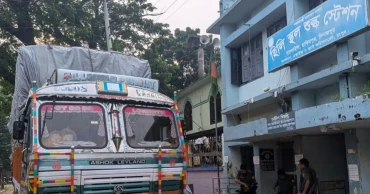
Although rice imports through Hili land port have begun, importers have been refraining from clearing their consignments from customs, fearing heavy financial losses due to high import duty.
Despite receiving the government's permission to import rice, importers at the Dinajpur-based land port say they are unwilling to proceed because customs duties and taxes remain high.
Many traders have opened LCs in anticipation of a duty reduction, but have paused imports from India.
However, rice was imported through 15 Indian trucks from Tuesday till Wednesday noon but the consignments remain uncleared at customs due to the high duty.
Talking to importers at the port they said that the current rate imposes about Tk 31 per kg in customs taxes.
The price of rice in India ranges between 520 to 530 dollar per tonne, which equates to Tk 63–65 per kg in Bangladeshi currency.
Including duties and other costs, total import costs rise to Tk 95–96 per kg, making imports economically unviable under the current scenario.
They also urged the government to reinstate the earlier 2% duty rate to facilitate imports.
Sources said, the government decided to allow private import of 5 lakh metric tonnes of parboiled and Atap rice to stabilise the domestic supply and consumer prices.
It invited applications between July 23 and August 7 from interested importers.
On August 10, import permission was granted to 242 importers in the first phase.
When speaking, Lalit Keshra, owner of importing company M/s Sayram International, said “Importing rice with the current 62.5% duty is not feasible. We’ve opened LCs, but unless the government withdraws or reduces the duty to the previous 2%, importing is not possible. At the current rates, the duty alone will cost Tk 35 per kg, while rice itself will cost Tk 68–70.”
“In total, the cost exceeds Tk 100 per kg. Importers want the government to lower the duty urgently so we can import rice. Otherwise, we can’t afford the losses. Besides, the market price of rice is still relatively stable,” he added.
Naogaon farmers, traders dump potatoes on road demanding fair prices
Abul Bashar, owner of M/s Mifa International, another importer at the port, said he received permission to import 1,000 metric tonnes of rice. “But we won’t proceed with LCs unless the government reduces the duty. No one else will either,” he said.
He explained that with a 62.5% duty, customs charges exceed Tk 31 per kg. With Indian prices at USD 520–550 per tonne, the landed cost comes to Tk 63–65 per kg.
“So the total cost per kg stands at Tk 96. Meanwhile, in local markets, good quality rice is being sold at Tk 70–80,” he said.
Meanwhile, on Tuesday and Wednesday, 15 trucks of rice consignments arrived from India.
Mithun Saha, an importer from Naogaon, imported 125 metric tonnes and 944 kg of rice via three trucks.
“I imported this shipment expecting the government to cut duties. But since that hasn’t happened yet, releasing it from customs would incur major losses,” he said.
Importers are in talks with the authorities, hoping for a revision.
“Without a duty cut, imported rice won’t be cheaper in the local market. It will defeat the purpose of the government’s decision and may further increase prices,” he warned.
Yusuf Ali, sub-assistant at the Plant Quarantine Centre at Hili Port, said that as of Wednesday noon, 32 importers had obtained import permits (IPs) from the Department of Agricultural Extension to bring in 45,000 metric tonnes of rice from India.
More permits are expected to be issued gradually. Rice imports had been suspended since April 16.
Meanwhile, Md. Nazmul Hossain, assistant revenue officer (ARO) at Hili Land Customs Station, said “As of 2:30 pm on Wednesday, we have not received any order from the National Board of Revenue (NBR) regarding a reduction in rice import duty. There is also no updated information about duty changes on the customs server. Therefore, the existing 62.5% duty remains in place. Importers wishing to release their rice shipments must pay this duty.”
11 months ago

Frequent technical glitches in Biman flights spark passenger safety concerns
A series of recent mechanical glitches in Biman Bangladesh Airlines flights has sparked concerns over passenger safety and the national carrier’s maintenance standards.
Multiple aircraft have been grounded or returned mid-flight due to technical issues during the period amid, dealing a fresh blow to the national flag carrier’s reputation and putting its image at stake.
According to Biman sources, at least nine aircraft on both domestic and international routes reported various faults last month.
Although accidents could be averted repeated disruptions have led to flight cancellations, schedule chaos, missed connections and significant inconvenience for passengers.
In the past 30 days, technical issues have occurred mid-air or before takeoff on several routes including Abu Dhabi, Bangkok, Singapore, and Kuala Lumpur.
Rise in cabin temperature forces Ctg-bound Biman flight back to Dhaka
Malfunctioning of toilets, faults in engines or trouble in aircraft on the runway left passengers waiting for hours, missing connecting flights and in some cases unable to reach their destinations.
The latest incident occurred on Sunday when a Boeing Dreamliner was grounded at Rome’s Leonardo da Vinci Airport after a wing flap malfunction.
Two hundred and sixty two passengers were accommodated in hotels while spare parts were flown in from London for repairs.
A day later, a Dash-8 aircraft operating a domestic route returned to Dhaka just 20 minutes after take-off due to a cabin temperature rise.
Earlier this month, a Bangkok-bound Boeing 737 was forced to turn back on August 6 due to engine vibration, an Abu Dhabi-bound Boeing returned the next day due to toilet malfunction, and a Singapore-bound Boeing encountered problems on August 9.
Biman's Bangkok flight returns to Dhaka amid mid-air technical fault
On Monday (Aug 12), Biman cancelled two Boeing 787 Dreamliner flights — to Kuwait and Dubai — due to a shortage of operational aircraft.
The flights will now depart on Tuesday and passengers were informed of the revised schedules.
Biman Bangladesh Airlines’ General Manager (Public Relations) ABM Rawshan Kabir told UNB that the flights to Kuwait and Dubai which were canceled on August 12 will operate tomorrow.
The BG 343 flight on the Dhaka–Kuwait route will depart at 7:30 pm tomorrow (August 13), while the Dhaka–Chattogram–Dubai flight will leave at 5:05 pm the same day.
He said the flights were cancelled due to an aircraft shortage.
The Dreamliner aircraft grounded in Rome is undergoing repairs and five of Biman’s own engineers dispatched there on August 12 to make it airworthy.
Biman flight from Dubai returns to Chattogram due to technical fault
The aircraft is expected to be ready for flight by tomorrow evening.
Regarding the repeated mechanical glitches, he said passenger safety is the top priority and no aircraft takes to the skies until all faults are fully resolved.
Aviation experts say these incidents are not sudden, rather, small faults that go unaddressed are turning into major risks.
Kazi Wahidul Alam, a former board member of Biman and an aviation expert, said the repeated mechanical glitches are indeed a reality.
“Many of the aircraft in the fleet are old, which is why problems occur frequently. Such faults need to be detected and addressed in advance with greater checking. However, these repeated issues are damaging the airline’s reputation.”
He also said that since the aircraft are old, regular inspections and strict quality control tests are essential.
Ctg airport flight operations halted for 2 hours after Biman glitch
Nepotism in hiring engineers and pilots must be avoided and only qualified professionals should be recruited, he added.
Several major glitches were also reported in July, including incidents that left Dreamliner and Boeing aircraft grounded in Dubai and Sharjah.
Biman currently operates a fleet of 19 aircraft — 14 from US-based Boeing and 5 Dash-8 Q400 models from Canada.
The Boeing fleet includes 4 Boeing 737-800s, 4 Boeing 777-300ERs, 4 Boeing 787-8 Dreamliners, and 2 Boeing 787-9 Dreamliners.
To reduce passenger inconvenience the process of leasing two aircraft is in its final stage alongside plans to purchase new ones, the sources added.
11 months ago

Tk 1,989.82cr push to close sanitation gaps in rural, disaster-prone Bangladesh
Although access to water, sanitation and hygiene (WASH) services in rural Bangladesh has seen considerable progress over time substantial challenges still persist in meeting the United Nations’ Sustainable Development Goal (SDG)-6 for clean water and sanitation.
To address the gaps, the interim government has undertaken a Tk 1,989.82 crore ‘Rural Sanitation Project’ aimed at improving sanitation and hygiene systems for the poorest communities in the country, with a goal of enhancing public health and living standards in rural areas.
The Local Government Division will implement the project through the Department of Public Health Engineering (DPHE) between July 2025 and June 2028 with the government’s own fund, according to a project document.
The project document says the government is committed to providing safe sanitation to all citizens of the country, especially the poor.
It says the project seeks to expand access to improved sanitation facilities in rural Bangladesh, especially for disadvantaged groups, in line with the Sustainable Development Goals (SDGs).
The project will also address the need for safe sanitation during and after disasters in flood, cyclone and storm-affected areas.
Thousands in agony as Teesta devours homes, farmland in north
Past Efforts and Progress in Rural Sanitation
A national baseline survey was conducted in October 2003 to assess sanitation coverage.
It showed that out of about 21 million households in the country only 33 percent use hygienic latrines, 25 percent use unhygienic latrines, and 42 percent defecate in the open.
After the launch of the National Sanitation Campaign in 2003, the government decided to formulate and implement many policies to promote sanitation.
Various steps and activities have been taken to implement the formulated policies and achieve 100% sanitation coverage.
Among the steps, the National Sanitation Project (Phase 1, 2, and 3) implemented by DPHE is notable. The National Sanitation Project (Phase 1) was implemented from July 2004 to December 2007.
After the implementation of the project, the open defecation coverage stood at 6%.
The National Sanitation Project (Phase 2) was implemented from July 2004 to June 2013.
At the end of the project, the open defecation coverage stood at 4%.
The latest, the National Sanitation Project (Phase 3) is under implementation whose activities are almost at the final stage.
The coverage of improved sanitation systems in Bangladesh is currently 64.4% and Safely Managed Sanitation Coverage is 42%.
Project Targets and Key Activities
To achieve the Sustainable Development Goals, it is necessary to ensure the provision of one improved latrine for each household.
The recommendation to provide free sanitation facilities to the extremely poor was accepted as per the approved Pro-Poor Strategy 2020 for the Water and Sanitation Sector of Bangladesh.
The government is committed to ensuring sanitation facilities for all at all times, safe sanitation facilities in all institutions and public places as per the SDG targets.
Due to frequent disasters caused by climate change, it is necessary to ensure sanitation facilities for the people in flood-affected, storm- and cyclone-affected areas during and after the disaster.
The ‘Rural Sanitation Project’ was proposed with the aim of bringing 50% of the poor population of the project area under the Safely Managed Sanitation (SMS) scheme by 2027 and, above all, increasing the overall coverage of SMS in rural areas of Bangladesh from 66% (as per Sample Vital Registration System, Bangladesh Bureau of Statistics-2022) to 70%.
Major activities under the project include installation of 274,351 improved twin-pit latrines for poor households at a cost of Tk 1,755.84 crore, construction of 1,984 community toilets costing Tk 178.56 crore, and awareness-building campaigns with Information, Education, and Communication (IEC) materials.
The plan also covers consultancy services, training programmes, and transport facilities for implementation.
The project will cover rural areas of 496 upazilas across 64 districts, excluding municipalities.
In 98 upazilas where a World Bank-funded water supply and sanitation project is already installing twin-pit toilets, the Rural Sanitation Project will only implement other components.
Bangladeshi children aren’t eating vegetables — and how it’s fueling a health crisis
Economic Impact and Government Commitment
A feasibility study by BEST Consulting Services Ltd. recommended the project noting significant sanitation gaps among the rural poor.
The Planning Commission has also endorsed it, citing strong economic returns with an estimated Economic NPV of Tk 3,375.64 crore, a Benefit-Cost Ratio of 2.87, and an Internal Rate of Return of 43%.
In the 2024-25 fiscal the allocation for the project was Tk 198.03 crore, in 2025-26 it is Tk 797.89 crore, and in 2026-27 fiscal the allocation will be Tk 993.8856 crore.
Officials said the project will build on the progress achieved through three earlier National Sanitation Projects, which helped drastically reduce open defecation since the 2000s.
11 months ago

Thousands in agony as Teesta devours homes, farmland in north
In northern Bangladesh’s remote riverine belts, the once life-giving Teesta River now mercilessly swallows homes, farmland and hope, leaving entire communities on the brink.
Over the past few weeks, as the river’s water level rose and fell, erosion has grown more vicious, snatching away the last fragments of security from countless farming families in Rangpur, Kurigram, Lalmonirhat, Gaibandha and Nilphamari.
Arable land has vanished, homesteads have crumbled into the swirling current and with them, memories and sustenance of generations have been swept away.
According to the Rangpur divisional office of the Water Development Board (WDB), 59 houses in the five districts have been swallowed in just the last seven days.
More than 100 others stand at the edge, facing the same fate, their occupants warned to evacuate before the inevitable.
Teesta surges above danger mark, floods low-lying areas in Rangpur
Officials say erosion is now striking at 38 points along the Teesta. Emergency protection work is underway, but for many, it already feels too late.
On the cracked, collapsing riverbank in Kutirpara village, 65-year-old farmer Akbar Ali sat silently, his gaze fixed on the soil sliding into the current.
His voice broke as he told the UNB correspondent, “This land is all I have left from my father. The water is falling, but the erosion is rising.”
In Balapara village, elderly farmer Monsur Ali could barely utter the weight of his loss. “The Teesta has swallowed my homestead. I’ve lost everything -- my land, my home. I am left with nothing.”
Nearby, 45-year-old Alema Khatun wept openly, her words trembling with desperation. “Save us, our lives are finished. The river has taken everything. Where will we go? What will we eat? The river will take the rest soon.”
For Tasor Uddin, once a resident of land now buried beneath the river’s bed, the nightmare is unending. “The erosion has reached right beside my current house. It may fall into the river any moment. The government officials just come and give us words,” he said in a sad voice.
Another villager, Abul Hossain, voiced what many here feel. “We don’t want relief; we just want protection. If sandbags had been placed along the bank earlier, the river wouldn’t have taken our land,” he said.
The pain is just as raw for Mensur Ali, 56, from Tepamdhoopur in Kaunia upazila. Years ago, he bought 25 decimals of land to build his home.
Now, 20 decimals are gone, washed away. “Only five decimals remain and even that is at risk of being washed away tonight. If the river takes my homestead, I’ll have nothing left,” he said.
Flood fear looms over northern districts as Teesta swells
Tepamdhoopur Union Parishad Chairman Rashedul Islam painted a grim picture saying, “Villages like Rajib, Haricharan Sharma, Hoybatkha, and Bishwanath are being eaten alive by the river. We sought 4,000–5,000 geo-bags for protection but received only 250 --far short of the need.”
In Nilphamari’s Dimla upazila, six out of ten unions are flood-prone, with erosion striking even without major flooding. Villages like Purbo Duholpara and Purbo Baishpukur teeter on the brink. Residents say that if no measures are taken soon, they will be reduced to destitution.
Ahsan Habib, superintendent engineer of the WDB Rangpur zone, said 38 points across the five districts are experiencing severe erosion. “We are carrying out protection work in some areas and have sought more allocations. Once we get them, geo-bag dumping will begin.”
Rangpur Divisional Commissioner Shahidul Islam said the local administrations have been instructed to visit affected areas and take urgent measures, while the WDB has been ordered to intensify work to curb the destruction.
But for the thousands standing on collapsing embankments, watching their land crumble inch by inch, hope is fading fast, said Chairman Rashedul Islam.
For them, the Teesta’s slow, steady bite feels less like nature’s course and more like a death sentence.
11 months ago
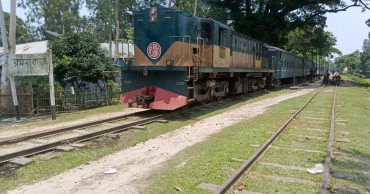
Kurigram-Chilmari railway in limbo: 29-km journey still takes 2.5 hours
On a 29-kilometre stretch of railway from Chilmari to Kurigram town, time seems to stand still and not in a good way.
The journey, which should take less than half an hour, drags on for nearly two and a half hours, a stark reminder of the dilapidated condition of the Kurigram-Chilmari rail line.
A long-promised modernisation project, launched last year, has yet to deliver any tangible improvements.
Despite grand plans and budget allocations, progress has been slow to the point of near stagnation.
For locals, the frustration is growing. They feel forgotten by policymakers, watching deadlines slip while the quality of service continues to deteriorate.
At present, only a single local train runs the route each day, often late. The worn-out tracks mean trains crawl along at just 10 to 15 kilometres per hour, slower even than battery-run rickshaws, which travel almost three times as fast.
Five stations -- Kurigram, Panchpir, Ulipur, Balabari and Ramna -- lie along the Kurigram-Ramna section. Once bustling with activity, they now see dwindling passenger numbers and long waits.
At Ramna station in Chilmari, the scene is especially disheartening. Passengers stand in the sun for hours, unsure if or when the train will arrive.
“I remember when Ramna station was alive,” said 65-year-old Mofir Uddin, a long-time commuter. “There were three pairs of trains every day. Now, they barely operate. Still, we wait. Trains are the cheapest and safest way to travel,” he added.
Govt launches Tk 1,792cr railway project to modernise tracks on key eastern routes
In Chilmari, a community frequently battered by river erosion and burdened by poverty, affordable transport is not a luxury, but a necessity. For many day labourers heading to Kurigram or neighbouring towns, the train is the only viable option.
“The rail line is so bad now that commuting has become a nightmare,” said Abdus Salam, a local school teacher.
“A railway rehabilitation project was launched, but there are no visible improvements. After two deadline extensions, there’s still no progress. Chilmari has always been neglected. We don’t want to be left behind anymore,” he laments.
Salam also pointed to the mounting pressure on the Chilmari river port. “Thousands of people use the port daily. If railway services improved, it would benefit them immensely.”
Stalled Project, Rising Frustration
Bangladesh Railway records show that the Chilmari–Kurigram modernisation scheme was designed in two phases.
The Kurigram–Ulipur section (19 km) was allocated Tk 29 crore, while the Ramna–Ulipur stretch (10 km) received Tk 33.70 crore. The plan included earth-filling, protective wall construction, installation of new tracks and sleepers, and the renovation of 12 bridges and culverts.
Work was scheduled to begin in November 2023 and finish by January 2025. The deadline was first extended to June 2025, and later to December 2025.
However, the project has been hampered by severe financial constraints.
High demand, higher losses: Bangladesh Railway's financial strain deepens
“We are facing a financial crisis,” admitted Rubel Islam, manager of the contractor, Biswas Construction Ltd. “Half of our bill from the Railway Department is still unpaid. We can’t procure essential materials, so work has stalled.
“Eighty per cent of work on the Kurigram–Ulipur section is done, but only 25 per cent of the Ramna–Ulipur stretch is complete. Had we received the full payment, the project could have progressed much faster.”
Calls for Urgent Action
Shipon Islam, Divisional Engineer of the Lalmonirhat Railway Division, acknowledged the setbacks.
“The contractor’s financial crisis is the main reason for the delay. We have been pressing them to speed up and inform higher authorities to approve the pending bills,” he said.
Despite the challenges, he expressed optimism. “We are working to complete the project by the end of this year. Once it is finished, trains will be able to run faster on this route, and additional services can be introduced.”
Locals block railway in Darshana demanding train stoppage, protest lifted on assurance
For now, however, the people of Chilmari remain stuck on a painfully slow track, waiting for promises to finally translate into progress.
11 months ago
DAP amendment nears approval amid stakeholder consensus, developers’ pressure
After years of discussions, conflict and developer-driven pressure, the long-awaited amended draft of the Detailed Area Plan (DAP) for Dhaka has finally been completed.
The draft is now set to be placed before the DAP Advisory Council Committee for final approval, marking a significant step towards reshaping the urban landscape of the capital city.
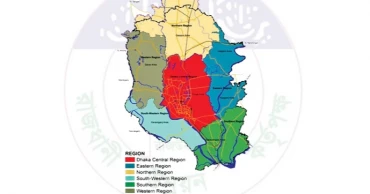
At a high-level meeting held at the Secretariat on Sunday, with Housing and Public Works Adviser Adilur Rahman Khan in the chair, who officially finalised the draft that incorporates major changes to key aspects of urban planning including Floor Area Ratio (FAR), housing density and zoning in rural-urban fringes.
If all goes as planned, officials said, the amended gazette will be published within a month.
The Secretary of the Ministry of Housing and Public Works, Chairman of Rajdhani Unnayan Kartripakkha (Rajuk), Adviser to the Ministry of Environment, Forest and Climate Change, President of the Bangladesh Institute of Planners and Institute of Architects Bangladesh, Vice President of the Institution of Engineers Bangladesh and senior officials from relevant agencies, including the Public Works Department and Roads and Highways Department were present at the meeting.
A Long Road to Consensus
According to sources at the Ministry of Housing and Public Works, the government undertook a comprehensive consultation process, holding 37 meetings in total—three at the advisory level, four at the secretary level, ten committee-level discussions formed by the ministry and 20 stakeholder meetings led by Rajuk (Rajdhani Unnayan Kartripakkha).
The revised draft includes adjustments to FAR in 16 low-density blocks located in rural-urban fringe areas such as Dasherkandi, Kanchpur, Moynartek, Alipur, Ruhitpur, Birulia and Bongram, allowing for marginal increases to building capacity in those regions.
However, the FAR for central and urban zones remains unchanged, maintaining the density balance in the city core.
The draft also takes into account the 2011 BBS household size data to recalibrate housing unit calculations, aligning projections with demographic realities.
Key Future
A key feature of the revised DAP (2022–2035) is its provision for periodic updates every five years. To implement this, the government plans to form a technical committee within a year that will support Rajuk in upgrading and improving the plan.
Talking to UNB, Rajuk Chief Town Planner (CTP) Md Ashraful Islam said, “This committee will provide both policy-level and technical guidance to enhance Dhaka’s livability.”
He said the draft had been finalised and would soon be sent to the DAP Advisory Council for final endorsement.
Asked about the expected timeline, Ashraful said, “Given the broad consensus at the meeting and subject to the council’s approval, we hope the gazette will be published within a month.”
Bangladesh needs to adapt strategically in order to navigate complex challenges of 2025: ICCB
Developers' Demands Push Amendment Forward
The push to amend the DAP began shortly after the original gazette was published on August 24, 2022. Real estate developers and landowners strongly opposed several zoning and FAR regulations they claimed were too restrictive for sustainable growth.
Even after a shift in political leadership and the establishment of an interim government, the pressure from developers remained unrelenting.
The tension reached a peak on May 20 this year when the Dhaka City Land Owners’ Association staged a demonstration, encircling the Rajuk building and threatening to halt all Rajuk operations unless their demands were met.
In response, the government took steps to review and revise the plan. On December 15, 2024, it formed a seven-member advisory committee to oversee the implementation and amendment of DAP under Rajuk’s jurisdiction.
The amended plan aims to balance development goals with environmental concerns, urban density and infrastructure capability, said Rajuk CTP Ashraful.
“We’ve tried to be pragmatic. FAR will go up slightly across various zones -- both small and large plots will benefit. That’s a win-win for developers and planners alike,” he said.
What’s Next?
While the final nod from the advisory council remains pending, officials are confident the last leg of the process will move swiftly.
Once approved, the government will move forward with the publication of the amended DAP gazette.
For a city struggling with overpopulation, experts said, traffic congestion and unregulated construction, the new DAP promises to be a roadmap for a more organised, livable and sustainable Dhaka if it is implemented with the same consensus it was drafted with.
11 months ago
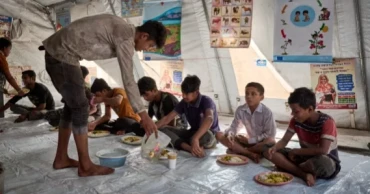
Bangladeshi children aren’t eating vegetables — and how it’s fueling a health crisis
Despite growing awareness of healthy eating, vegetable consumption among children in Bangladesh remains alarmingly low, posing serious threats to child nutrition and long-term health, nutritionists and public health experts have warned.
Recent estimates suggest that more than 1.5 crore children across the country are at nutritional risk due to the lack of vegetables, fruits, and milk in their daily food intake. Experts say this deficiency is causing a shortfall of at least five key nutrients essential for healthy growth and development.
Nutritionists recommend that children aged 2 to 5 years should consume at least 40% of their daily food intake in the form of vegetables to lay a strong foundation for lifelong health.
The World Health Organization (WHO) recommends that children consume at least 400g, or five portions, of fruits and vegetables per day.
Adequate vegetable intake is linked to a lower risk of heart disease, stroke, and certain cancers later in life, it also said.
On the other hand, poor dietary habits, including low vegetable intake, can increase the risk of developing chronic diseases like type 2 diabetes later in life, according to the Centers for Disease Control and Prevention (ICDDR,B).
A recent analysis of dietary patterns reveals that a significant number of Bangladeshi children under the age of five consume little to no vegetables on a daily basis. According to data from the Bangladesh Demographic and Health Survey (BDHS), more than 60% of children aged 6 to 23 months had not consumed any fruits or vegetables on the day before the survey.
“This trend is deeply concerning,” said Dr. Nusrat Jahan, a pediatric nutritionist at the National Institute of Public Health. “Vegetables are essential for a child’s physical and cognitive development. When children miss out on this group of foods early in life, it can lead to vitamin deficiencies, weakened immunity, and poor eating habits in the future.”
Richest countries damaging child health worldwide: Unicef
Experts say the avoidance of vegetables stems from multiple factors—ranging from taste preferences and lack of awareness to the increasing influence of ultra-processed food marketing. Many children show a natural aversion to bitter flavors, especially those found in green leafy vegetables, and without repeated exposure or encouragement, these foods are often rejected both at home and in schools.
In lower-income households, affordability and accessibility pose additional challenges. “There is a clear link between food insecurity and poor dietary diversity,” said Shamsul Alam, a food policy researcher. “When families struggle to make ends meet, vegetables are often replaced with calorie-dense staples like rice and lentils.”
However, the issue cuts across class lines. Dr. Kamrul Hasan, senior pediatrician at Mugda Medical College and Hospital, told UNB that vegetable intake is commonly neglected in both poor and affluent families.
“Our meals are made up of several essential components. Yet vegetables—critical for boosting the immune system—are often overlooked by parents, rich and poor alike,” he said. “Fruits and vegetables provide essential nutrients such as Vitamin A, C, K, iron, potassium, folic acid, calcium, and even protein.”
He emphasized the need for integrating vegetables and fruits into children’s daily meal plans to address widespread micronutrient deficiencies.
“My son doesn’t like vegetables, so I just give him rice with eggs,” said Rina Akhter, a mother from Mirpur. “I didn’t realize skipping vegetables every day could be harmful.”
Neonatal-child healthcare project to be greatly helpful: Japanese envoy
Indeed, many families avoid vegetables fearing they might be harmful due to the practise of selling outdated produce as fresh by applying a chemical called formalin by vendors. When its widespread use was exposed in the media, the public grew even more apprehensive about consuming vegetables.
Encouragingly, some initiatives have begun showing promise. In a pilot project in Khulna and Rangpur districts, primary school students were introduced to school gardens, vegetable-based meals, and basic nutrition education. Teachers reported noticeable improvements in children's willingness to eat vegetables like spinach and amaranth.
Nutritionists recommend involving children in food preparation, offering vegetables in fun and creative forms, and modeling positive eating behaviors. “Children are more likely to eat vegetables when they see parents or peers enjoying them,” said Dr. Nusrat.
Public health advocates are calling for stronger policy-level interventions, including mandatory school meals with vegetables, subsidized vegetable markets, and restrictions on junk food marketing targeted at children.
As Bangladesh continues its fight against malnutrition, experts agree that ensuring vegetables are a regular part of children’s diets must become a national priority.
“It’s not just about full bellies,” said Dr. Nusrat. “It’s about nourishing our next generation—both body and mind.”
Despite progress in reducing poverty and improving health indicators, malnutrition remains a major public health concern for children in Bangladesh. According to recent national and international data, approximately 28% of children under the age of five are stunted, indicating chronic undernutrition that hampers physical and cognitive development.
Urban poor get less access to maternal and child health service: Experts
Additionally, around 9.8% of children suffer from wasting - a result of acute malnutrition—while 22–23% are underweight. Experts warn that over 40% of children face some form of anthropometric failure when combined indicators are considered. Alarmingly, a small but rising percentage (3.3%) are overweight, pointing to an emerging double burden of malnutrition.
11 months ago