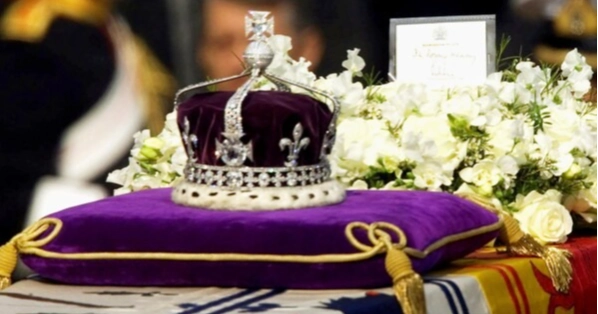
The recent theft of France’s crown jewels from the Louvre has revived questions about the colonial origins of many museum treasures. While the jewels were crafted in France, their gems came from far-flung regions tied to imperial exploitation, including sapphires from Sri Lanka, diamonds from India and Brazil, pearls from the Persian Gulf, and emeralds from Colombia.
Experts say the heist has intensified calls for museums to be more transparent about their collections. “Many of these objects are entangled with violent, exploitative, colonial histories,” said criminologist Emiline C.H. Smith. Legal ownership under colonial-era rules does not erase the ethical questions about how these items were acquired.
The stolen pieces, including tiaras and necklaces of 19th-century queens like Marie-Amélie and Empress Eugénie, were crafted by French artisans, but the raw materials moved through imperial trade networks built on wealth extraction and forced labor. Historian Pascal Blanchard notes that while French craftsmen made the jewels, the stones themselves were “products of colonial production.”
The controversy echoes other restitution debates, such as India’s ongoing demand for the Koh-i-Noor diamond, and campaigns by Greece and Egypt to recover the Parthenon Marbles, the Rosetta Stone, and the Nefertiti bust. French law allows restitution only through specific parliamentary exceptions, which critics say limits the return of colonial-era treasures.
Art scholars argue that museums should provide fuller context on such artifacts. “Tell the honest and complete story,” said Dutch restitution specialist Jos van Beurden. This includes explaining where the materials came from, how they were traded, and who benefited, even if it complicates the museum narrative.
The theft has shone a spotlight not only on museum security but also on the ethical responsibility to acknowledge the colonial histories behind prized treasures, prompting calls for transparency and restitution across Europe’s leading institutions.