
Lebanon’s Cabinet on Friday approved a draft law aimed at assessing losses from the 2019 banking collapse and establishing a mechanism to return funds to depositors whose savings were wiped out.
The financial meltdown, which destroyed billions in personal savings, followed decades of corruption, mismanagement, and profiteering, leaving many unable to access their accounts. The draft legislation, known as the “financial gap law,” still requires parliamentary approval to become law.
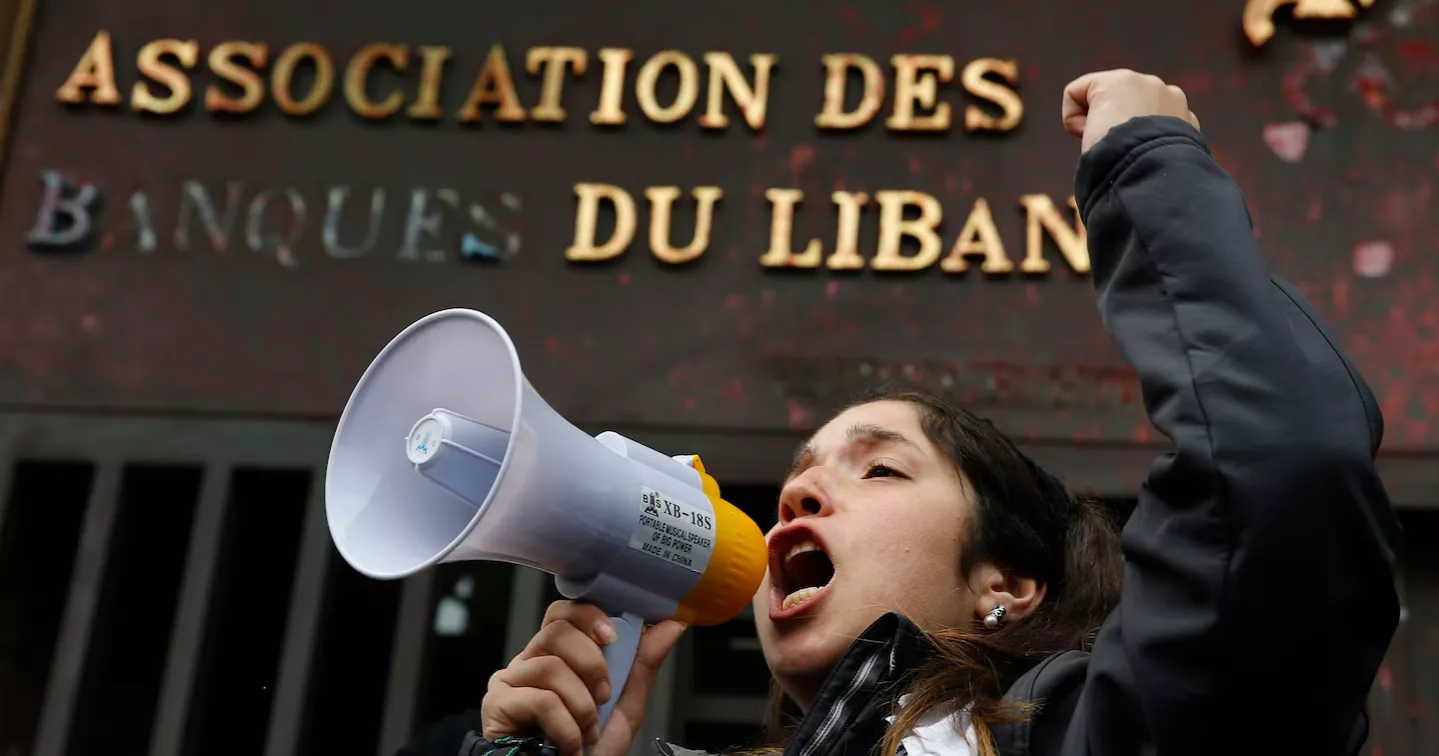
Thirteen ministers supported the draft while nine opposed it. Protesters outside the government headquarters expressed skepticism about the legislation and demanded swift action. It remains uncertain when parliament will consider the bill, as delays have marked previous reform efforts.
Prime Minister Nawaf Salam said that once approved, smaller depositors, making up 85% of the total, will recover their full deposits over four years. Larger depositors will receive up to $100,000 in cash first, with the remainder converted into tradable bonds backed by the Central Bank’s assets, valued at around $50 billion. Salam rejected claims that the bonds are worthless, explaining that large depositors could recover a portion of their funds annually.
The draft law also includes accountability measures to prevent misuse and is seen as a step toward restructuring Lebanon’s financial sector after years of inaction by political leaders, banks, and the central bank.
The legislation aligns with International Monetary Fund recommendations for returning deposits, restructuring bank liabilities, and improving transparency. Lebanon’s economy has suffered a severe currency collapse, with the Lebanese pound losing over 90% of its value and more than half of the population living in poverty.
The crisis was worsened by last year’s war between Israel and Hezbollah, which the World Bank estimated cost Lebanon $11 billion in reconstruction. President Joseph Aoun and Prime Minister Salam have pledged to implement reforms to restore trust in the banking system and stabilize the economy.