BGMEA
BGMEA, LPP issue joint statement to clarify invoice dispute, reaffirm sourcing partnership
Bangladesh Garment Manufacturers and Exporters Association (BGMEA) and Polish fashion retailer LPP S.A. have issued a joint statement clarifying an ongoing dispute over claims involving invoices of FES Retail and reaffirming their commitment to maintaining a stable sourcing partnership in Bangladesh.
In the statement issued Tuesday, the two organizations said they share a common interest in ensuring legal certainty, protecting employees and maintaining stable business operations and future expansion in Bangladesh.
The joint statement was signed by BGMEA President Mahmud Hasan Khan and LPP S.A. Purchasing & ESG Director Dorota Jankowska-Tomkow.
They clarified that the publicly discussed dispute concerns contractual and invoice-related claims involving two business entities, while LPP itself is neither a debtor nor legally liable for the disputed obligations.
LPP said it regularly settles all outstanding liabilities with its direct suppliers and business partners in Bangladesh in accordance with the terms of its contracts.
BGMEA acknowledged LPP’s position that any claims relating to such liabilities should be directed to the entities legally responsible for them.
At the same time, both sides recognized the commercial difficulties faced by the affected factories and agreed that negotiations to resolve the liabilities should be conducted with the legally responsible parties. LPP said it would assist in facilitating constructive dialogue where necessary, while safeguarding its own legal position.
LPP also clarified that its recent review of certain sourcing activities in Bangladesh was primarily aimed at protecting its local employees, ensuring legal clarity and maintaining a stable, predictable and fair operating environment.
The company stressed that the review was not directed against Bangladeshi manufacturers and would not affect its commitment to fulfilling its direct contractual obligations.
BGMEA and LPP further emphasized that disputes involving a limited number of third parties should not adversely affect the wider interests of Bangladesh’s ready-made garment (RMG) sector, including more than 350 manufacturers currently doing business with LPP.
They urged all parties to avoid generalised or misleading publicity that could harm other manufacturers, workers or the longstanding commercial relationship between LPP and Bangladesh.
As part of efforts to ensure a fair and orderly resolution, BGMEA said it would engage with relevant ministries, authorities and industry stakeholders to help ensure that LPP officials and employees are protected from improper harassment, pressure or unfounded legal complications.
The organizations said the joint statement was issued without prejudice to due legal process or the right of any party to pursue legitimate claims against entities legally liable for the disputed obligations.
Reaffirming their commitment to the growth and sustainable development of Bangladesh’s garment industry, BGMEA and LPP pledged to work together toward a fair, transparent and mutually acceptable resolution while ensuring safe, stable and uninterrupted business operations in Bangladesh.
2 months ago
NZ ready to forge partnership if Bangladesh provides blueprint: Envoy
New Zealand is keen to provide technical and strategic support for Bangladesh's economic and industrial development, provided Dhaka outlines specific sectors where it requires assistance, Non-resident High Commissioner David Pine said on Thursday.
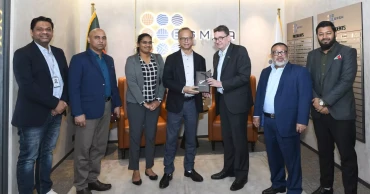
"If Bangladesh outlines the specific areas where it expects cooperation from New Zealand with a detailed blueprint, we will positively move forward with an effective partnership," High Commissioner Pine said during a bilateral meeting with Bangladesh Garment Manufacturers and Exporters Association (BGMEA) President Mahmud Hasan Khan.
The meeting, held at the BGMEA office in Uttara on Thursday morning, focused heavily on boosting bilateral trade, uncovering new investment avenues, and strengthening long-term strategic cooperation between the two nations.
Welcoming the envoy's proposal, BGMEA President Mahmud Hasan Khan highlighted the association's ambitious roadmap to scale up global apparel exports to $100 billion by 2035.
"To achieve this goal and mitigate global geopolitical risks, BGMEA is putting special emphasis on non-traditional and high-potential markets like New Zealand," Khan said.
Currently, Bangladesh faces a trade deficit of approximately $300 million with New Zealand. According to data from the 2024-25 fiscal year, Bangladesh exported goods worth around $100 million to New Zealand, with ready-made garments (RMG) accounting for 94 percent of those shipments. Both sides agreed to work jointly to narrow this gap and explore untapped trade potentials.
The BGMEA chief noted that the current board is working to diversify both markets and products in line with the government's long-term planning. Beyond RMG, the association is pushing for the expansion of textiles, footwear, pharmaceuticals, and furniture industries—sectors where New Zealand’s technical partnership could play a pivotal role. The High Commissioner expressed his agreement on this front.
During the talks on the sustainable transformation of the RMG sector, renewable energy integration came to the fore, with the BGMEA president seeking advanced technical support from New Zealand.
The discussion also touched upon the deferral of Bangladesh's Least Developed Country (LDC) graduation. When the High Commissioner inquired about Bangladesh's readiness, the BGMEA chief replied that the current business-friendly government is actively working alongside traders toward this goal.
He emphasized the urgent need for Bangladesh to sign Free Trade Agreements (FTAs) with various nations in the interim.
Furthermore, the BGMEA president sought the New Zealand government's sincere support and cooperation in deferring the LDC graduation by three years.
Enhancing the visibility of Bangladeshi apparel brands in the New Zealand market was another key agenda item. Since many top global brands do not operate directly in New Zealand, the BGMEA side inquired about establishing direct links with local buyers and retailers.
In response, High Commissioner Pine advised Bangladeshi entrepreneurs to participate in international expos and trade fairs hosted in New Zealand. He assured that the High Commission would provide full assistance if a business delegation from Bangladesh visits New Zealand.
The envoy also responded positively to a proposal for promoting Bangladesh’s homegrown brands in the New Zealand market.
Senior leaders of BGMEA and high-ranking officials from the New Zealand High Commission were present at the meeting.
4 months ago

BGMEA seeks policy support in budget to face challenges
The Bangladesh Garment Manufacturers and Exporters Association (BGMEA) has submitted a comprehensive set of proposals for the upcoming 2026-27 national budget, warning that the country’s top export-earning sector is facing an "unprecedented challenge" due to global and domestic factors.
A BGMEA delegation, led by its President Mahmud Hasan Khan, submitted the proposals during a meeting with the National Board of Revenue (NBR) held at NBR Building in Agargaon on Sunday.
NBR Chairman Abdur Rahman Khan chaired the event. NBR members Azizur Rahman, Mobinul Kabir and Barrister Mutasim Billah Faruki were present at the meeting. BGMEA Vice President Md Shehab Udduza Chowdhury was also present.
According to the BGMEA, total apparel export earnings declined by 3.73 percent during the July-February period of the current fiscal year FY2025-26 compared to the same period last year.
The association highlighted that nearly 400 garment factories have shut down over the last three years, with many others remaining financially vulnerable.
Rising Costs and Declining Investment
The industry is grappling with a sharp rise in the cost of doing business. The BGMEA said bank loan interest rates have reached 12-15 percent, gas prices surged by 286 percent between 2017 and 2023, while electricity prices rose by 33 percent over the last five years.
It said minimum wages increased by 56 percent in 2024, and the annual increment was raised from 5 percent to 9 percent in December 2024. Chattogram Port tariffs were increased by 41 percent on October 15, 2025.
These factors, combined with a 60 percent reduction in export incentives since July 2023, have caused investment in the sector to stagnate, the trade body said.
It said capital machinery imports for the textile and garment sectors fell by 37.87 percent and 12.44 percent, respectively, during the first seven months of the current fiscal year.
Key Budgetary Demands
To sustain competitiveness, the BGMEA has proposed several tax and customs reforms for the 2026-27 fiscal year, including lowering the source tax on garment exports from 1.0 percent to 0.65 percent and maintaining it for the next five years, exempting the 10 percent income tax on cash assistance provided against exports, implementing a 1 percent concessional duty on the import of solar PV system equipment, such as solar panels, inverters, and lithium-ion batteries, to encourage renewable energy use, and resolving HS Code complexities by allowing the import of raw materials listed in the Utilisation Declaration (UD) without repetitive code-specific amendments to bond licenses.
The BGMEA emphasised that the RMG sector contributes approximately 83 percent of the nation's total export earnings and is the largest provider of employment.
It urged the government to implement these policy supports to ensure the industry's survival and achieve national export targets.
5 months ago

BGMEA seeks extended central bank support to tackle apparel sector crisis
Bangladesh Garment Manufacturers and Exporters Association (BGMEA) has urged Bangladesh Bank to strengthen policy support and extend key deadlines to help the readymade garment (RMG) sector cope with ongoing multidimensional challenges.
A BGMEA delegation led by Director Majumder Arifur Rahman made the request during a meeting with Bangladesh Bank Deputy Governor Dr. Md. Kabir Ahmed at the central bank headquarters on Wednesday, according to a press release issued on Thursday.
The association specifically called for an amendment to BRPD Circular-07/2025, seeking to extend the eligibility period for policy support for defaulted accounts from November 2025 to March 31, 2026.
BGMEA representatives said the extension would enable struggling and “sick” industrial units to access necessary support and resume normal operations.
They added that such measures could also help reduce non-performing loans (NPLs) in the banking sector and improve overall financial stability.
The delegation further urged the central bank to issue mandatory directives to commercial banks to ensure proper implementation of the announced policy support.
It noted that many eligible factories are missing out on benefits due to delays or lapses in execution by banks.
The BGMEA delegation requested more time for closed factories to apply for reopening.
While welcoming the government’s initiative to revive shuttered units, the association stressed the need for additional time to collect and verify accurate data from affected businesses to ensure a transparent and effective rehabilitation process.
Deputy Governor Dr. Md. Kabir Ahmed assured the delegation that the central bank would consider the proposals and take appropriate steps.
Former BGMEA Vice President Shahidul Islam, PR and Publicity Committee Chairman Masud Kabir, and senior officials from the Bangladesh Bank’s Banking Regulation and Policy Department (BRPD) were present.
5 months ago
Half of factories yet to pay Eid bonus despite govt deadline
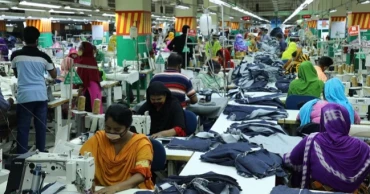
Despite clear directives from the government, nearly half of the country’s industrial units have failed to clear Eid bonuses for their workers, while one-fourth are still sitting on outstanding wages for February.
The Ministry of Labour and Employment had earlier instructed factory owners to clear February’s salaries by March 9 and Eid bonuses by March 12. However, data from the Industrial Police reveals that as of Monday, these deadlines have been largely ignored by a significant number of employers.
According to the Industrial Police, which monitors 10,100 factories across the country, 2,544 units (25 percent) have not yet paid February’s wages. Furthermore, 5,007 factories accounting for 45.57 percent of the total are yet to provide Eid bonuses to their employees.
Earlier this month, following a tripartite meeting between the government, owners, and labor leaders, Labour and Employment Minister Ariful Haque Chowdhury issued the payment deadlines. To facilitate this, the government even arranged soft loans for export-oriented industries and released Tk 2,500 crore in cash assistance.
Despite these measures, workers in several areas have been forced to take to the streets to demand their dues, a recurring scene ahead of the Eid holidays.
Salahuddin Shapan, former Secretary General of the Industrial Bangladesh Council, alleged that some garment owners are intentionally delaying payments.
"They fear that if bonuses and February salaries are paid early, workers will demand a portion of March’s wages before leaving for the holidays," he said.
In Gazipur, the fate of over a hundred workers at HDF Apparels remains uncertain as the factory owner is reportedly untraceable. In Narayanganj, a potential crisis was averted after leaders of the BKMEA provided a Tk 30 lakh loan to a struggling factory to cover its payroll.
Millions leave Dhaka ahead of Eid; security tightened as terminals overflow
However, Mohammad Hatem, President of the Bangladesh Knitwear Manufacturers and Exporters Association (BKMEA), expressed optimism.
"Banks in the industrial zones will remain open this Wednesday and Thursday. We expect most factories to clear all dues and start holidays by then," he told the media.
Data from the Bangladesh Garment Manufacturers and Exporters Association (BGMEA) shows a better track record for its members. Out of 2,127 active BGMEA-listed factories, only 37 are yet to pay February salaries, while 76 have not yet cleared Eid bonuses. Notably, 478 factories have already provided advance wages for the current month of March.
BGMEA President Mahmud Hasan Khan stated that the organization is closely monitoring the situation. "If any factory faces last-minute difficulties, we will step in to find a solution," he assured.
The BGMEA further informed that the staggered Eid holidays would begin today (Tuesday) for 35 percent of its factories, followed by 45 percent on Wednesday and the remaining units on Thursday.
7 months ago

BGMEA pushes for quick release of Tk 5,700cr RMG incentives
Bangladesh Garment Manufacturers and Exporters Association (BGMEA) has urged the government to expedite the disbursement of Tk 5,700 crore in cash incentives for the ready-made garment (RMG) sector.
The call came during a meeting with Finance Minister Amir Khosru Mahmud Chowdhury at the Secretariat on Wednesday, a delegation member, led by BGMEA President Mahmud Hasan Khan, said on Thursday.
BGMEA described the ‘fragile state’ of the industry, highlighting stalled incentives, working capital shortages, and hurdles to ease of doing business.
Khan said the cash incentives for FY2025-26 remain trapped in audit procedures by lien banks and Bangladesh Bank, leaving many factories in severe liquidity stress.
He urged a shift from the quarterly release system to immediate disbursement upon application.
The Finance Minister acknowledged the demand’s validity and pledged to modernize and streamline the process for quicker fund release.
BGMEA Vice President Md. Shihab Uddoja Chowdhury raised concerns over loan rescheduling, noting that while banks reschedule loans to manage non-performing loan ratios, they often fail to provide the working capital necessary to keep factories operational.
He proposed a ‘win-win’ approach where banks supply working capital alongside rescheduling. The minister expressed support for the idea.
Describing the garment industry as the ‘backbone of the economy’, Amir Khosru asked BGMEA to submit a detailed list of obstacles and recommendations within a week and assured full policy support for sustainable sector growth.
The delegation included Senior Vice President Enamul Huq Khan, Vice President (Finance) Mizanur Rahman, Vice Presidents Vidya Amrit Khan and Md. Shihab Uddoja Chowdhury, and several board directors.
7 months ago

BGMEA welcomes landmark Bangladesh–USA tariff agreement
The Bangladesh Garment Manufacturers and Exporters Association (BGMEA) has welcomed a significant new trade agreement between Bangladesh and the United States, signed today (Tuesday) following nine months of intensive bilateral discussions.
The agreement introduces a strategic reduction in reciprocal tariffs and provides a major boost for garments made from USA raw materials. In its initial response, BGMEA expressed sincere gratitude to the USA Government and the Office of the United States Trade Representative (USTR), as well as to Chief Adviser Dr. Muhammad Yunus and the interim government’s leadership for their roles in achieving this milestone.
BGMEA secures special healthcare benefits for members
Reciprocal Tariff Reduction: The standard tariff on Bangladeshi products in the U.S. market will be reduced from 20 percent to 19 percent.
Zero-Tariff Provision: Notably, garments manufactured in Bangladesh using cotton and man-made fibers imported from the United States will be exempt from reciprocal tariffs.
Market Expansion: BGMEA believes these provisions will significantly enhance Bangladesh’s competitive edge and access to the USA market.
To maximize these benefits, BGMEA emphasized the need for local spinners to ensure competitive yarn pricing, particularly since USA cotton is of superior quality but comes at a higher cost. The association also noted that ensuring the traceability and proper valuation of USA origin raw materials will be critical for exporters.
BGMEA Instructs Factories Not to Respond to RSC Letters on Non-OSH Complaints
8 months ago
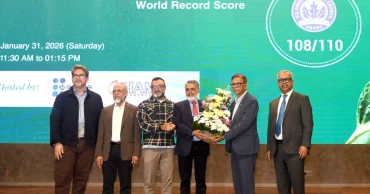
BGMEA honours Hams Garments for achieving world’s highest score for green factories
The Bangladesh Garments Manufacturers and Exporters Association (BGMEA) on Saturday accorded a special reception to Hams Garments Limited for becoming the world's top-rated green factory.
The ceremony, jointly organized by BGMEA and Hams Garments Limited, was held at the Nurul Quader Auditorium in the BGMEA Complex, Uttara. During the event, BGMEA Senior Vice President Inamul Haq Khan presented a special memento of honor to Engineer Shafiqur Rahman, Managing Director of Hams Garments Limited.
In his speech, Inamul Haq Khan revealed that Hams Garments Limited set a new world record by scoring 108 out of 110 in the USGBC LEED Platinum certification.
Read More: NBR links ASYCUDA World with BGMEA e-UD system to modernise bond management
"This is not just a number; it is currently the highest score achieved by any green factory in the world," said Inamul Haq Khan.
"This success has elevated the prestige of the 'Made in Bangladesh' brand to new heights and created a global benchmark for our apparel sector," he added.
While celebrating the achievement, industry leaders also discussed the practicalities of green manufacturing:
Access to Finance: BGMEA Director Faisal Samad emphasized the need to simplify the availability of the ‘Green Technology Fund’ to help more factories transition to eco-friendly operations.
Fair Pricing: Director Faruque Hassan noted that while Bangladesh continues to break its own records in LEED certification, the global market’s product pricing does not yet fully reflect the high costs and efforts of maintaining these green standards.
Read More: Uruguay could be a gateway for RMG exports to Mercosur: BGMEA
Ananta Ahmed, USGBC Consultant and Managing Director of 360 TSL, highlighted the technical milestones of the project, noting that Bangladesh is no longer just following sustainability trends but is actively setting the global pace.
The achievement further solidifies Bangladesh's position as the global leader in sustainable apparel manufacturing. Key statistics mentioned at the event include:
Total LEED-certified green factories in Bangladesh: 273
Platinum-rated factories: 115
Gold-rated factories: 139
69 out of the world’s top 100 highest-rated green factories are now located in Bangladesh.
Engr. Shafiqur Rahman, Managing Director of Hams Garments, shared the success story of his factory and expressed his gratitude to the BGMEA board. He noted that such recognition would inspire other industrial owners to take bold steps toward sustainable industrialization.
The event was attended by senior BGMEA officials, including Vice President (Finance) Mizanur Rahman, Director A.B.M. Shamsuddin, and representatives from the Institution of Textile Engineers and Technologists (ITET).
8 months ago
Garment industry leaders warn tariffs on yarn may worsen crisis
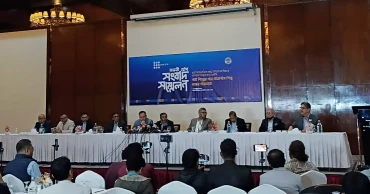
Leaders of the country’s apparel trade bodies, Bangladesh Garment Manufacturers and Exporters Association (BGMEA) and Bangladesh Knitwear Manufacturers and Exporters Association (BKMEA), on Monday strongly opposed recent recommendations to restrict yarn imports.
They said any attempt to force the purchase of local yarn through tariff barriers would undermine the global competitiveness of the garment industry and disrupt its integrated supply chain.
The leaders expressed their concern at an emergency press conference at a Dhaka hotel.
Selim Rahman, acting president of BGMEA, said exporters prefer local yarn if its price matches the global market but imposing new tariffs or restrictions to support local mills would create a crisis.
“If local yarn is available at global market rates, we will not import. But trying to force local yarn sales artificially is not a solution. It will only worsen the crisis,” he said.
He urged the government to support the textile sector through cash incentives, reliable energy supply, and favourable tax and interest rates instead of imposing duties on yarn imports.
He warned that BGMEA might take ‘tough measures’ if these concerns are ignored.
Mohammad Hatem, president of BKMEA, said price differences between local and imported yarn have always existed but the situation worsened after the reduction of cash incentives.
He criticised the Commerce Ministry for recommending restrictions on blended and man-made fiber (MMF) yarn, pointing out that local production in these categories is still insufficient. “If you stop yarn imports artificially and people start importing finished fabric instead, what will you do?” Hatem asked.
The BKMEA leader also raised concerns over the shrinking Export Development Fund (EDF) which has been cut from $7 billion to $2 billion under IMF conditions.
He said many businesses still cannot access the remaining funds.
Garment accessories sector posts record $7.45bn export earnings in FY25: BGAPMEA
Hatem expressed frustration over the lack of support from the financial sector.
Highlighting regional competition, he noted that India continues to provide strong incentives to its textile and apparel sectors despite graduating from LDC status.
He questioned why Bangladesh cannot implement similar support to sustain its top-earning export sector during this transition period.
9 months ago
US tariff cut signals stronger, competitive trade ties with Bangladesh
The decision by the United States to reduce its reciprocal tariff rate for Bangladesh from 35% to 20% marks a significant step towards strengthening bilateral trade relations, officials here said, stressing the need for having an effective diversified, competitive and tolerant trade strategy.
"Looking ahead, ensuring internal stability and proactive governmental measures will be key in maintaining competitiveness and fostering future growth," former director of Bangladesh Garment Manufactures and Exporters Association (BGMEA) Mohiuddin Rubel told UNB on Friday.
Rubel, also Additional Managing Director, Denim Expert Ltd and Managing Director, Bangladesh Apparel Exchange Ltd, said ptimism prevails for Bangladesh's trajectory, poised for continued advancement and resilience in the evolving economic landscape.
Chief Adviser Prof Muhammad Yunus has described the latest US decision as a "decisive diplomatic victory" and proudly congratulated the Bangladesh tariff negotiators on securing a landmark trade deal with the United States.
"The future of Bangladesh is undeniably bright. Today’s success stands as a powerful testament to the nation’s resilience and its bold vision for a stronger economy tomorrow," he said in an immediate reaction after the successful tariff negotiations with the United States.
By reducing the tariff to 20%, 17 points lower than anticipated, he said their negotiators have demonstrated remarkable strategic skills and unwavering commitment to safeguarding and advancing Bangladesh’s economic interests.
Prof Yunus said they have been working relentlessly since February and navigated successfully through a complex negotiating process involving tariff, non-tariff and national security matters.
"The agreement they negotiated preserves our comparative advantage, enhaces our access to the world's largest consumer market and safeguards our core national interests," he said in his message shared by Press Secretary Shafiqul Alam.
This achievement not only underscores Bangladesh’s rising strength on the global stage but also opens the door to greater opportunities, accelerated growth and lasting prosperity, Prof Yunus said.
Describing it as an "exciting development" in trade dynamics, Rubel said Bangladesh has adjusted its reciprocal tariff to 20%, positioning itself competitively against countries like Pakistan, Cambodia and Vietnam.
Notably, compared to India and China, which have higher tariffs, this move sets Bangladesh apart, potentially attracting business from China, the exporter thinks.
Despite potential short-term impacts on US sales due to increased retail prices, Rubel said, historical resilience suggests Bangladesh is primed for a long-term success.
Reflecting on the post-COVID economic landscape, Bangladesh's steadfast growth amidst global challenges is commendable.
"While short-term growth may vary amid global economic shifts, Bangladesh's strategic positioning and historical performance bode well for sustained progress," Rubel said.
An Opportunity and A Warning
Executive Director, South Asian Network on Economic Modeling (SANEM) Selim Raihan said while this reduction in the US countervailing duty rate is encouraging, it does not create a room for complacency or create room for complacency; rather, it is an opportunity and a warning at the same time.
Trump's tariffs: Third and probably last round of talks underway in Washington
"Bangladesh needs to take effective steps now to establish a diversified, competitive and tolerant trade strategy," he said.
The recent reduction in the US reciprocal tariff rate for Bangladesh, from 35% to 20%, is a welcome development for the country’s export sector, said the economist.
"This revision comes as part of a broader recalibration of the United States' reciprocal tariff framework, which appears to apply to many of its trading partners," Raihan said.
For instance, Sri Lanka’s rate has been lowered to 20% (from 30%), and Pakistan’s to 19% (from 29%). Bangladesh's other competitors like Vietnam and India face tariff rates of 20% and 25% respectively.
In this context, Bangladesh’s new tariff rate now aligns more closely with those of its key competitors in the US market, suggesting a reduced risk of trade diversion and a lower likelihood of significant disruption to its exports, particularly in the readymade garments sector.
A notable element of uncertainty, however, remains in the global trade landscape: the reciprocal tariff rate for China is yet to be finalised, Raihan said.
Given China’s central role in global manufacturing and its competitive overlap with Bangladesh in several export categories, the eventual US decision on China’s tariff rate will be pivotal in shaping future patterns of global trade.
"If China is subject to significantly higher tariffs, Bangladesh and other South and Southeast Asian exporters may see a shift in demand in their favour. Conversely, a more favorable rate for China could intensify competition," said the economist.
As such, the final terms for China will be critical in determining how trade flows realign in the months ahead, he said.
A Triumph for Interim Govt’s Approach
Former US diplomat Jon Danilowicz said the White House announcement of a 20% tariff rate for Bangladesh represents a "triumph" for the interim government’s approach to negotiations.
Bangladesh may get reduced tariffs on exports to USA: Finance Adviser
Further details of the bilateral agreement are likely forthcoming, he said.
Over the past four months, Danilowicz said the interim government and its lead negotiator, National Security Adviser Dr Khalilur Rahman, faced relentless attacks from multiple corners.
He said this despite the steady progress Bangladesh had made in strengthening the bilateral relationship since President Trump’s inauguration.
"Now that the negotiations have concluded with a positive result for both Bangladesh and the United States, I hope these critics are prepared to admit their errors," said the former US diplomat who served in Dhaka in the past.
With progress on the July Charter, an election date set to be announced, and positive news on the tariffs, he observed that this has been a good week for those who have Bangladesh’s best interests at heart.
Energy Adviser Fouzul Kabir Khan said from domestic price stability to successful tariff negotiations with the US, Commerce Advisor Sk Bashir Uddin has proved his mettle, to the dismay of naysayers.
We Negotiated Carefully
“We negotiated carefully to ensure that our commitments aligned with our national interests and capacity,” said Khalilur Rahman, Bangladesh’s lead negotiator.
“Protecting our apparel industry was a top priority, but we also focused our purchase commitments on US agricultural products. This supports our food security goals and fosters goodwill with U.S. farming states," he said.
“We’ve also preserved our global competitiveness and opened up new opportunities to access the world's largest consumer market” Dr Rahman added.
The government has placed an order to purchase 25 aircraft from Boeing with a plan to increase wheat and soybean import from the United States.
“We remain engaged with the US. We have placed an order for purchasing 25 aircraft from Boeing. India and Vietnam each placed an order for 100 aircraft while Indonesia has placed an order for 50 aircraft from Boeing,” Commerce Secretary Mahbubur Rahman told reporters on July 27.
He said Bangladesh needs some aircraft within the next couple of years and hopes to get a few as national carrier Biman Bangladesh Airlines needs to expand its fleet.
US Chargé d’ Affaires meets Fakhrul, discusses tariffs, election
For weeks, President Donald Trump was promising the world economy would change on Friday with his new tariffs in place. It was an ironclad deadline, administration officials assured the public.
But when Trump signed the order Thursday night imposing new tariffs on 68 countries and the European Union, the start date of the punishing import taxes was pushed back seven days so that the tariff schedule could be updated.
The change, according to AP, while potentially welcome news to countries that had not yet reached a deal with the US - injected a new dose of uncertainty for consumers and businesses still wondering what’s going to happen and when.
1 year ago