obstacle
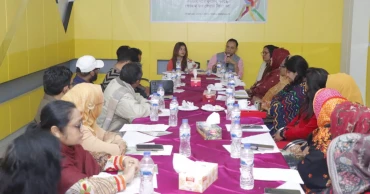
Corruption obstacle to business investment, creation of new entrepreneurs: Workshop
Entrepreneurs representing Small and Medium Enterprises (SMEs) at a regional workshop here on Sunday said corruption is one of the biggest obstacles to business investment and the creation of new entrepreneurs in Bangladesh.
The negative impact of corruption severely affects SME entrepreneurs, they said, expressing their concerns at the workshop organised by the Centre for Governance Studies (CGS).
Representatives from various levels of the SME sector in the Khulna division participated in the meeting.
At the beginning, Executive Director of CGS Zillur Rahman mentioned that Bangladesh faces challenges at the sub-national level as a developing country due to a lack of education and training, which hinders the SME sector from fully understanding and following necessary processes.
SME entrepreneurs highlighted the need for accessible guidelines on important processes such as applying for trade licenses, conducting online business activities, and obtaining letters of credit.
"To address these issues, CGS is developing a "Good Governance Toolkit" in consultation with experts, business leaders, and SME entrepreneurs," Zillur said.
Additionally, he said the CGS is organizing these workshops designed not only to provide knowledge but also to gather feedback from SME entrepreneurs.
The toolkit includes topics such as the code of conduct, transparency pact, instructional materials, and recommendations for national and regional forum representation.
Read: ACC to investigate allegations of corruption in Third Terminal Project
During the workshop, entrepreneurs of Khulna highlighted that unlike in other countries, entrepreneurs in our country do not follow the practice of preparing initial documentation and necessary paperwork before starting a business.
This habit needs to change, especially for online businesses.
To avoid corruption, it is essential to complete all processes related to trade licenses and taxes before starting a business, they said.
They also mentioned that due to the complexities and high renewal fees associated with obtaining and renewing trade licenses, there is a tendency to issue new trade licenses, which need urgent resolution.
Ensuring women's empowerment in obtaining bank loans is also crucial, said the participants.
They called for the inclusion of advance payment for showroom rent in the toolkit and the determination of specific fees for it.
The discussion also brought up the suggestion to launch training programmes through forums to enhance business skills.
The need to reduce the influence of syndicates in business was emphasized.
Read more: AL drowned nation in corruption and misrule: Jamaat Ameer
Some entrepreneurs in online businesses are selling products at such low prices that it creates inconsistency for the same products being sold offline, the participants observed.
This competitive aspect has been proposed to be included in the toolkit.
1 year ago

Middlemen, the biggest obstacle in Bangladesh's food chain?
Agriculture is the economic backbone of Bangladesh. But farmers say that numerous revolutionary reforms introduced in the sector over the past two decades have failed to bring any major change in their economic condition.
The reason: The profiteering middlemen who buy fruits and vegetables at extremely low rates directly from farms, but jack up prices in further sales -- from distribution to retailing through commission agents and wholesalers.
Read: UK announces £18m new funding to end child marriage in Bangladesh, 11 other countries
And as this nexus takes a substantial chunk of profit from their produce, farmers are left with very little revenue in the agricultural market hierarchy in the country. Of course, consumers are also a casualty as they pay a higher value for the cheaper farm produce.
Market analysts also blame the nexus of multi-layered middlemen involved in the distribution process for the huge gap in the prices of agricultural produce at farm and retail levels. Another reason being the high transportation cost to cities like Dhaka.
In fact, vegetable prices are 100-300% higher in the kitchen markets of the capital than that at the farm level, according to the Department of Agricultural Marketing (DAM).
This has already been admitted by the Bangladesh government. Agriculture Minister Dr Abdur Razzak had earlier said that "many people cannot afford sufficient vegetable intake due to high prices while the farmers are also not getting fair prices of their produce".
Read: Remotest region to connect with broadband internet by 2025: Palak
Farmers often throw away their vegetables when they find that the cost of production is higher than that of sales, according to the government.
"We have to create a modern marketing system to eliminate this problem," he had said, adding "value-addition and market chain development are needed for this".
4 years ago