Business

Bangladesh Honda exports NX200 motorcycles to Mexico
Bangladesh Honda Private Limited (BHL) has expanded its export operations by shipping Honda NX200 motorcycles to Mexico, marking another milestone in the company's efforts to strengthen Bangladesh's presence in the global motorcycle market.
The export follows BHL's earlier shipment of Honda motorcycles to Guatemala and reflects the company's strategy to expand its international footprint while maintaining Honda's global quality standards, according to a press release.
The export ceremony was attended by Dr Md Sakirul Islam Khan, Special Assistant to the Prime Minister with Secretary status, as the chief guest, while Gazaria Upazila Nirbahi Officer Ummay Hafsa Nadia was present as the guest of honour.
BHL, a joint venture between the Bangladesh Steel and Engineering Corporation (BSEC) and Japan's Honda Motor Co., Ltd., said the latest export demonstrates the growing capability of Bangladesh's motorcycle manufacturing sector to supply high-quality products to international markets.
The company said the initiative would contribute to export diversification, promote local manufacturing, strengthen the domestic supply chain and create employment opportunities.
Speaking at the event, Dr Sakirul Islam Khan said the government remained committed to creating a business-friendly environment that encourages manufacturing, exports and investment.
He described the export of the Honda NX200 to Mexico as a significant achievement that would support export diversification, employment generation and enhance Bangladesh's global recognition.
Susumu Morisawa, Managing Director and Chief Executive Officer of Bangladesh Honda Private Limited, said the expansion of exports to Mexico reflected the company's continuous improvement in production capability, quality assurance and the dedication of its workforce.
He said the company would continue enhancing local procurement, improving manufacturing competitiveness and expanding exports to new international markets, while contributing to Bangladesh's industrial development.
Shah Muhammad Ashequr Rahman, Chief Marketing Officer of BHL, said the export of the Honda NX200 to Mexico highlighted Bangladesh's growing manufacturing capability and Honda's global quality standards.
He said although the domestic market remained the company's priority, the export initiative would support industrial development, technological advancement, localisation, employment generation and Bangladesh's emergence as a competitive motorcycle manufacturing and export base.
BHL said it would continue improving production efficiency, increasing localisation and exploring export opportunities in additional international markets in line with Honda's global vision.
The company also expressed gratitude to the government, the National Board of Revenue, the Duty Exemption and Drawback Office, the Bangladesh Economic Zones Authority, customs authorities, banking partners, suppliers, dealers and other stakeholders for supporting its export activities.
BHL said it aims to contribute to sustainable economic growth, export diversification and Bangladesh's reputation as a trusted global manufacturing hub through continued expansion of its export business.
2 days ago
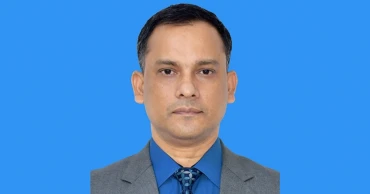
Shahedul Islam joins BGMEA as new Secretary General
Major General Dr. Md Shahedul Islam (Retd) has officially assumed charge as the new Secretary General of the Bangladesh Garment Manufacturers and Exporters Association (BGMEA), the apex trade body representing the country’s ready-made garment (RMG) sector.
Bringing over 35 years of multifaceted experience spanning military leadership, international diplomacy, and academia, Dr. Islam previously served as the Defence Attaché in Washington, D.C., where he was awarded the prestigious ‘Legion of Merit’ by the United States government.
He holds a PhD and an MPhil from the University of Dhaka, focusing his doctoral research on 'Review and Development of Workers' Skills.' He also earned an MBA from Dhaka University and a Master’s in Management Studies from Osmania University, India. Throughout his distinguished career, he served as a Dean at Bangladesh University of Professionals (BUP), a Treasurer and Professor at the Central University of Science and Technology, and held key positions in UN Peacekeeping Missions.
Welcoming the new Secretary General, the BGMEA leadership expressed optimism that Dr. Islam’s extensive expertise in international diplomacy, strategic innovation, and executive leadership will play a pivotal role in driving continuous growth, enhancing workforce skill sets, and navigating evolving global economic challenges facing the RMG industry.
Expressing his delight at joining the country’s primary export-driving organization, Major General Dr. Md Shahedul Islam (Retd) committed to working closely with the BGMEA Board of Directors and apparel entrepreneurs.
He emphasized his resolve to fortify Bangladesh's position in the global market through product and market diversification, skill development, and strategic navigation of current macroeconomic dynamics.
2 days ago
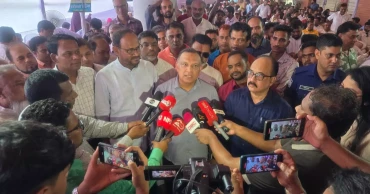
Govt working to expand handloom industry, diversify export markets: State Minister
The government has already started work to modernise Bangladesh's handloom industry, develop skilled manpower, create new entrepreneurs and expand domestic and international markets for handloom products, said State Minister for Textiles and Jute Shariful Alam on Saturday.
"Tangail's saree is a symbol of Bangladesh's heritage, pride and emotion. To sustain the handloom industry of Tangail, modernisation is needed in product design, quality, branding and marketing, alongside preservation of tradition," the state minister said while addressing a programme after inaugurating a Handloom Training Centre and Basic Centre in Tangail.
He said the newly built training centre and basic centre is not merely a building or infrastructure but an important institution for producing skilled weavers, artisans and entrepreneurs. Weavers will receive hands-on training there in modern technology, changing fashion trends, new designs, product quality, market analysis and digital marketing.
Trainees will not be left with just certificates after completing the training, Shariful said, adding that initiatives will be taken to create internship and employment opportunities for them in textile, ready-made garment, knitwear and spinning mills and related industries based on their skills. "Promising entrepreneurs will also be given financial and technical support to help them become self-reliant."
The state minister said initiatives are being taken to revive traditional handloom products from different regions of the country, including the Tangail saree, under the concept of "One Village, One Product: Bringing Back Lost Heritage."
He stressed building weavers' skills in using digital platforms and e-commerce to showcase Jamdani, Tangail sarees, Benarasi, silk and other traditional handloom products in the international market. "Initiatives are being taken to display export-oriented handloom, textile, jute and GI products at international airports and Bangladesh missions abroad."
Shariful said the problems faced in using land ports for exporting handloom products would be resolved through discussions with the relevant ministries and departments.
"Effective measures will be taken to ensure that the benefits of importing dye, yarn and other raw materials go directly to genuine weavers instead of middlemen. The government will take necessary steps to ensure weavers' social and economic security, easy loans, training, employment and market linkage," he said.
Referring to the initiative to reopen Tangail's long-closed cotton mill, the state minister said the mill was once one of the region's key centres of employment and economic activity. "Local and foreign investors have already visited the mill, and efforts are underway to restart it quickly through private investment to restore employment and economic vitality for local residents."
2 days ago
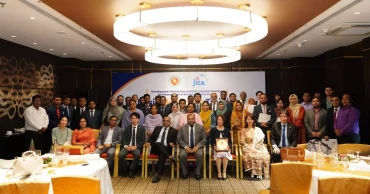
JICA organises training for legal professionals
The Japan International Cooperation Agency (JICA) has organised a two-day basic mediation training programme for legal professionals to strengthen Bangladesh’s newly established Special Mediator system, aiming to improve access to justice and reduce the growing backlog of court cases.
The training, held on July 31 and August 1 at InterContinental Dhaka in collaboration with the Ministry of Law, Justice and Parliamentary Affairs, brought together around 40 participants, including Special Mediators, Legal Aid Officers and officials from the ministry, the Directorate of Bangladesh Legal Aid (DBLA), the Judicial Administration Training Institute (JATI) and the Supreme Court.
JICA chief completes tour of Bangladesh, reaffirms commitment to sustainable and inclusive development
Law, Justice and Parliamentary Affairs Secretary Liaquet Ali Molla inaugurated the programme, stressing the need to strengthen mediation services to ensure quicker and more accessible justice for citizens.
Speaking at the closing ceremony on Saturday, Law, Justice and Parliamentary Affairs Minister Md Asaduzzaman said mediation had become an effective, accessible and people centred mechanism for resolving disputes outside lengthy court proceedings.
He expressed hope that the newly introduced Special Mediator system would help reduce case backlogs and improve access to justice across the country.
The minister also urged the participants to apply the knowledge and practical skills gained through the training in their professional work and play an active role in promoting mediation nationwide.
JICA Bangladesh Chief Representative Takahashi Junko attended the closing ceremony as the special guest.
The training was facilitated by Japanese mediation expert Professor Miyatake Masako and included lectures alongside practical exercises covering mediation principles, communication and negotiation techniques, mediator ethics and role play based mock mediation sessions.
According to JICA, the programme is part of its Development of Mediation and Civil Litigation Practices for Enhancement of Access to Justice Project, under which it has been supporting the government to promote mediation as an alternative dispute resolution mechanism.
Since April 2025, the project has implemented a pilot initiative in Narsingdi and Cumilla, where a total of 44 lawyer mediators were trained at District Legal Aid Offices.
The initiative helped resolve 898 disputes through mediation by April 2026, demonstrating the effectiveness of the lawyer mediator model, JICA said.
Based on the pilot’s success, the amended Legal Aid Services Act introduced the Special Mediator system, institutionalising the model developed under the project.
JICA said it is now working closely with the Directorate of Bangladesh Legal Aid and other relevant institutions to ensure the effective implementation of the new system through capacity building, technical support and the sharing of Japan’s experience in mediation.
The agency said the latest training marked an important step towards improving the quality of mediation services and ensuring faster resolution of civil and family disputes across Bangladesh.
JICA also announced plans to organise an advanced mediation training programme later this year to further strengthen the professional capacity of Special Mediators and support the sustainable implementation of the new system.
2 days ago
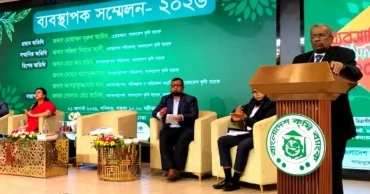
Banker's main responsibility is ensuring deposit security: Krishi Bank Chairman
Stating that trust and confidence form the core foundation of the relationship between customers and banks, Bangladesh Krishi Bank (BKB) Chairman Md. Nurul Amin has said the primary duty of a banker is to ensure the security of customer deposits.
"The banking system fundamentally relies on trust. When a customer deposits their hard-earned money placing trust in a bank, keeping those deposits safe and discharging duties properly becomes a banker's main responsibility," he said on Saturday (August 1).
He made the remarks while speaking as the chief guest at the General Managers' (GM) Conference of Bangladesh Krishi Bank held at ICC Limited adjacent to Mirpur Technical in the capital.
Highlighting the crucial role of branch officials, the BKB Chairman noted that whether a branch receives Tk 1 crore or Tk 100 crore in deposits, the responsibility and custody lie directly with the branch manager or official concerned. If officials fail to strictly adhere to standard banking regulations, the integrity of the banking system itself would crumble, he warned.
Addressing the current challenges in the financial sector, Nurul Amin observed that a deficit of public trust has pushed several banks into distress.
He stated that the lack of confidence or instability seen in various institutions, including Islami Bank, is completely undesirable, emphasizing the need to rebuild the banking sector's image through honesty and accountability.
Expressing satisfaction over the organization of the conference, he remarked that annual or business meetings should be held in pleasant environments to boost employee morale—a practice widely followed by private banks through town hall meetings at resorts or out-of-city venues. He assured that future regional conferences of BKB will also aim for similar standards.
The conference was attended by BKB Managing Director Sanchia Binte Ali, Deputy Managing Directors (DMD) Md. A. Rahim and Moha. Khaleduzzaman, General Manager (Planning) Ashrafuzzaman Khan, and General Manager Golam Md. Arif, alongside senior executives, Dhaka division and regional heads, and general managers.
The meeting reviewed the bank's overall current business performance and held detailed discussions on future operational plans.
2 days ago

Bank, NBFI shares remain under pressure despite weekly index gains
The Dhaka Stock Exchange (DSE) closed the week with its key indices in positive territory, but the banking and financial institutions sector failed to recover from the previous week's slump, according to the bourse's weekly Market Pulse report.
Over the five trading sessions through July 30, the benchmark DSEX index rose 91 points, while the blue-chip DS30 index gained 24 points and the Shariah-based DSES index added 12 points.
General investors, institutions to access private bonds, funds through DSE's new PI category
Compared with the corresponding period last year, DSEX has climbed 21 percent so far this year, with DS30 and DSES each up 19 percent.
Despite the index gains, average daily turnover slipped slightly week-on-week, falling to around Tk 1,060 crore from Tk 1,063 crore in the previous week.
Prices rose for the majority of listed companies during the week, 264 stocks advanced against 35 that declined, while 89 remained unchanged. Market capitalisation increased by Tk 3,863.75 crore over the week.
However, the banking sector could not shake off its earlier losses, with bank stocks falling nearly 14 percent and non-bank financial institution (NBFI) shares dropping more than 35 percent.
Life insurance stocks slid 37 percent even as general insurance shares climbed about 20 percent. Corporate bond prices surged 78 percent, while mutual fund prices fell around 20 percent.
Elsewhere, pharmaceuticals and chemicals shares dropped 14 percent, and paper and printing stocks fell more than 35 percent. The fuel and power sector declined nearly 28 percent, and tannery industry shares were down 19 percent.
EXIM First Mutual Fund topped the week's gainers' list, posting a weekly return of about 37 percent, while Renwick Jajneswar & Co (Bd) Ltd. finished at the bottom, losing roughly 13 percent.
The mixed sectoral performance underscores a market still searching for balance, broad-based investor appetite is lifting the headline indices and pushing up overall market capitalisation, but confidence in the financial sector, particularly banks and NBFIs, remains fragile.
Analysts will likely watch whether this divergence narrows in the coming weeks, as sustained weakness in financial stocks, a heavyweight segment of the DSE could cap further index gains even if broader sentiment stays positive.
2 days ago
Govt prioritising research to develop climate-resilient rice varieties: Minister
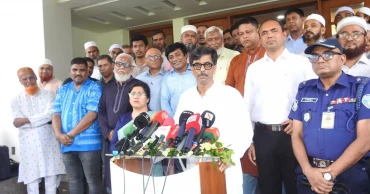
The government is prioritising research-driven agricultural development to introduce new climate-resilient rice varieties amid concerns over potential crop losses caused by climate change, Fisheries, Livestock and Agriculture Minister Mohammed Aminur Rashid said Saturday.
The minister made the remarks while talking to reporters following an exchange-of-views meeting with officials from the Agriculture, Fisheries and Livestock ministries at the Cumilla Circuit House.
15,000 more air flow machines to be provided for onion storage: Agriculture Minister
He announced that "BRRI Dhan-118," a cold-tolerant rice variety, will be released for the Haor (wetland) regions in the upcoming season. The variety can be planted and harvested early, allowing farmers to gather their yield before flash floods strike, he said, adding that this would significantly reduce crop damage in the flood-prone wetlands.
The minister also revealed that a salinity-tolerant rice variety is scheduled for release next year, praising scientists at the Bangladesh Rice Research Institute (BRRI) for their efforts in developing climate-adaptive crops.
Responding to questions on fish exports, Aminur said the government is seriously considering exporting fish through the Cumilla land port, adding that necessary steps will be taken following discussions with the commerce minister.
On marketing infrastructure, he said the government will assess the feasibility of setting up a fish landing station in Cumilla, with a decision to be made if suitable government land is available.
Since Bangladeshi consumers prefer fresh freshwater fish, he said, the government is focusing on modernising marketing infrastructure alongside cold storage facilities.
Highlighting livestock development, the minister disclosed that a major expansion project is underway at existing vaccine production centres, which, once completed, will enable large-scale domestic production of vaccines for livestock and poultry, reducing import dependence and strengthening the sector.
On canal re-excavation initiatives, he expressed confidence that ongoing projects under the Ministry of Agriculture are progressing on schedule and would meet 100 percent of targets next year.
Referring to recent flood relief efforts, the minister said seeds and essential agricultural inputs have already been distributed among affected farmers, while free vaccination drives for livestock have been conducted in flood-hit upazilas to prevent disease outbreaks in the post-flood period.
2 days ago
Cold storage owners demand 20% power bill rebate, 30% potato export incentive amid sector crisis
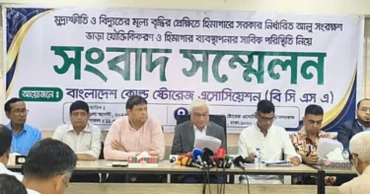
Highlighting a severe crisis in the cold storage sector caused by falling potato prices, the Bangladesh Cold Storage Association (BCSA) on Saturday placed a set of demands before the government, including a 20 percent discount on electricity bills and an increase in cash incentives for potato exports to 30 percent.
The association placed these demands at a press conference held at its office in Paltan, Dhaka. BCSA President Mostafa Azad Chowdhury presided over the event and read out the written statement.
Green chili prices soar in Dhaka as rains squeeze supply
To keep the cold storage industry viable, BCSA demanded either a 20 percent discount on electricity bills or the complete withdrawal of recently increased power tariffs.
The association also urged the government to increase the cash incentive on potato exports from the existing 10 percent to 30 percent to boost foreign sales. BCSA President Mostafa Azad Chowdhury noted that the current 10 percent export incentive is inadequate to expand export volumes.
Additionally, citing rising electricity costs and overall inflation, the association called for an increase in cold storage retention fees. Currently, the rental fee for storing potatoes stands at Tk 6.75 per kilogram.
The association placed several demands before Bangladesh Bank as well, requesting that the cold storage industry be categorized under the agriculture sector.
BCSA further proposed that the central bank set up a refinance or special assistance fund worth Tk 6,000 crore to Tk 8,000 crore to provide loans to the sector at a 5 percent interest rate.
2 days ago

Card to bKash Add Money service now more secure and seamless
To make the Add Money service from Visa, Mastercard, and American Express cards to bKash accounts more secure and seamless, bKash, the country’s largest mobile financial service provider, has introduced enhanced security features for customers.
Newly introduced security features for Card to bKash Add Money:
From now on, customers need to save their card in the bKash app while using the Add Money service from a card for the first time. This feature will not apply to cards that are already saved in the bKash app.
BB, CID, bKash jointly raising awareness against online gambling
While saving the card, users must complete biometric verification by matching a live selfie with the National Identity (NID) photograph submitted during bKash wallet registration.
During the card-saving process, customers need to complete a BDT 500 Add Money transaction. After 24 hours of completing the first Add Money transaction, customers can use the saved card regularly for Add Money transactions.
A customer can save a maximum of five cards in a single bKash account.
The Card to bKash Add Money service has made cashless transactions easier and more convenient by allowing customers to add money to their bKash accounts anytime, anywhere. Through Visa, Mastercard, and American Express cards, customers can instantly add money to their bKash accounts and use various bKash services, including online and offline shopping, utility bill payments, savings, insurance premium payments and others.
As digital financial services continue to evolve, bKash has been continuously investing in advanced security technologies and collaborating with ecosystem partners to strengthen customer protection. The latest enhancements will further strengthen secure and seamless digital transactions while enhancing customers’ trust in the country’s digital payment ecosystem.
2 days ago
Sweeping regulatory reforms called for to reduce burdens on MSMEs
Business leaders, government officials and development partners on Thursday called for sweeping regulatory reforms to reduce administrative burdens on micro, small and medium enterprises (MSMEs), saying business formalisation is essential for Bangladesh’s smooth graduation from Least Developed Country (LDC) status.
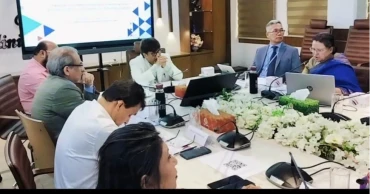
The call came at a stakeholders’ consultation titled “Regulatory Streamlining for an Enabling Business Environment for Formalization”, jointly organised by Business Initiative Leading Development (BUILD), the Ministry of Industries (MoI) and the International Labour Organization (ILO) at the ministry’s conference room in Dhaka.
Sweeping deregulatory measures in budget to lower cost of doing business: NBR Chairman
The consultation brought together senior government officials, business chamber representatives, employers’ and workers’ organisations, development partners and researchers to discuss BUILD’s newly launched business licensing guidebooks and identify priority regulatory reforms.
Speaking as the chief guest, Industries Secretary Abdun Naser Khan said simplifying regulations is crucial for accelerating enterprise formalisation and easing the challenges faced by SMEs.
He said a high level committee headed by the Minister for Industries, Textiles, Jute and Commerce has already been formed to speed up regulatory reforms, expressing hope that businesses would see simplified procedures soon.
Referring to BUILD’s proposal for a deregulation action plan within the next 90 days, he said the government remains committed to reducing administrative hassles and making the One Stop Service (OSS) more effective through digitalisation. The Ministry of Industries is working closely with the Prime Minister’s Office in this regard, he added.
Opening the session, BUILD Chairperson Abul Kasem Khan said the organisation’s newly published business licensing guidebooks would help investors better understand permit and approval requirements.
He also proposed a unified utility connection application system, joint inspection mechanisms and legally enforceable Service Level Agreements (SLAs) to reduce delays in government services.
Noting the government’s target of creating one million jobs, he said Bangladesh would need at least 100,000 new entrepreneurs to achieve that goal, making regulatory simplification indispensable.
Presenting the keynote paper, BUILD Chief Executive Officer Ferdaus Ara Begum said excessive regulation continues to impose significant costs on businesses.
Citing Bangladesh Bureau of Statistics (BBS) data, she said around 65 percent of economic units remain informal, although registered enterprises account for more than half of total employment.
Based on more than 50 key informant interviews, she said plastic waste management businesses currently require up to 31 licences, submission of more than 235 documents and approval processes stretching to around 650 days.
Similarly, light engineering enterprises need around 30 licences, more than 200 documents and processing periods of up to 600 days, while nearly 50 to 60 percent of paperwork is duplicated across government agencies, she added.
To address these challenges, BUILD proposed introducing a Single Digital Business Identity Number, a One Stop Licensing Platform and multi year licence validity, which it said could reduce compliance costs by 30 to 50 percent.
Representing the ILO, Peter Jr. Bellen said eight out of every ten workers in Bangladesh are employed in the informal economy.
He stressed that transitioning informal workers into formal and decent employment would be vital as Bangladesh prepares for LDC graduation and export diversification, adding that the ILO would continue providing technical support for the reform process.
During the panel discussion, Additional Secretary and Registrar of Joint Stock Companies and Firms (RJSC) A K M Nurunnabi said company registration now takes less than 48 hours, provided all required documents are submitted, at a fee of Tk 2,500.
He also said amendments to the Companies Act, 1994 are underway and physical signatures for share transfers are gradually being replaced with fully digital processes.
Joint Secretary Md Shamsul Hoque of the Ministry of Local Government, Rural Development and Cooperatives said more than 5,500 autonomous local government bodies currently issue trade licences.
He identified the absence of a centralised trade licence database as a major challenge and supported further discussions with BUILD, ILO and the Ministry of Industries to streamline the licensing process.
Deputy Managing Director of SME Foundation Nazem H Sattar called for time bound deregulation measures and urged a review of the existing 4 percent SME lending interest rate cap, arguing that it discourages banks from extending loans to small businesses because of high monitoring costs.
Dr Nadia Binte Amin, President of Women Entrepreneurs Network for Development (WEND), highlighted concerns over advance income tax collected during trade licence renewals, mandatory audit costs for small businesses and the absence of a simple business exit policy. She also called for issuing trade licences in both Bangla and English to support exporters.
Saifur Rahman, Chairman of SKB Stainless Steel Mills Limited, proposed forming a joint public private task force to remove regulatory bottlenecks and suggested that regulators focus on product quality standards rather than prescribing specific production machinery.
Concluding the event, Additional Secretary Nurruzzaman thanked participants and requested BUILD and the ILO to compile the reform proposals generated during the consultation. The Ministry of Industries said follow up meetings would be held to translate the recommendations into concrete policy actions.
4 days ago