Business

Bangladesh's gross reserves touch $35.03 billion
Bangladesh's foreign exchange gross reserves on Wednesday crossed $35.03 billion within 9 days of the new government coming to office.
According to the IMF BPM-6 calculation method, which adheres to the principle "what cannot be spent, cannot be counted," the foreign exchange reserves reached $30.27 billion.
Arif Hossain Khan, Executive Director and spokesperson of the central bank, confirmed this by text message on Wednesday night.
Central bank officials noted that expatriate Bangladeshis are increasingly using legal channels to send money home, significantly strengthening the nation's dollar holdings.
Due to the surplus of dollars in the banking system, there were concerns about a sharp decline in the value of the US dollar. To maintain market equilibrium and ensure stability, Bangladesh Bank has been actively purchasing dollars from commercial banks.
During the current fiscal year, FY2025-26, the central bank has purchased approximately $4.90 billion from the market. This marks a sharp reversal from previous years (2021-2024), where the bank was forced to sell nearly $34 billion to curb an unstable market.
5 months ago

Stocks trade lower at DSE, CSE in early session
Trading at the Dhaka Stock Exchange (DSE) and the Chittagong Stock Exchange (CSE) was marked by a downward trend on Wednesday, the fourth working day of the week, with key indices slipping in the first half of the session.
At the DSE, the benchmark DSEX lost 7 points by midday. The Shariah-based DSES remained unchanged, while the blue-chip DS30 index declined by 2 points.
Losers outnumbered gainers on the premier bourse, as share prices of 182 companies fell against 126 that advanced, while 82 issues remained unchanged.
The turnover at the DSE stood at Tk 280 crore in the first half of trading.
A similar trend was observed at the CSE, where the overall CASPI index shed 36 points during the same period.
Of the traded issues at the port city bourse, 62 companies saw their share prices decline, while 49 gained and 14 remained unchanged.
The CSE recorded a turnover of Tk 2 crore in the first half of the session.
5 months ago

Bangladesh Bank pledges support for garment exporters facing Eid cash crunch
Bangladesh Bank Governor Dr Ahsan H Mansur on Tuesday pledged policy backing and faster disbursement of pending export incentives to help garment manufacturers navigate a mounting liquidity crisis ahead of Eid-ul-Fitr, as factories scramble to pay wages and bonuses to millions of workers.
The assurance came at an emergency meeting held at the central bank headquarters with a delegation from the Bangladesh Garment Manufacturers and Exporters Association (BGMEA), led by Senior Vice President Inamul Haq Khan and Vice President Md Shihabuddoja Chowdhury.
BGMEA officials described a ‘deep crisis’ gripping the ready-made garment sector, which accounts for the bulk of Bangladesh’s export earnings.
They said February’s production cycle has been curtailed to 19 effective working days from 28 due to public holidays for the national election and Language Day, disrupting shipment schedules at a critical time.
The industry is also contending with weaker international demand, declining product prices and rising production costs, compounded by global geopolitical instability. With compressed production timelines, factory owners face what the association termed a “monumental challenge” in ensuring timely wage and Eid bonus payments.
To prevent labour unrest and safeguard industrial stability, BGMEA submitted a set of proposals to the central bank.
The association urged authorities to expedite the release of approximately Tk 5,700 crore in pending cash incentives for fiscal year 2025-26 that remain stalled in audit processes.
It also called for preferential treatment for small and medium-sized factories when disbursing those funds to help ensure their survival.
Besides, BGMEA sought a special wage-support loan facility equivalent to two months’ salaries, featuring a three-month grace period and a 12-month repayment schedule.
New govt to continue reforms in banking sector: Bangladesh Bank governor
The group further requested the reintroduction of Packing Credit at a 7 percent interest rate and an expansion of the Pre-shipment Credit Scheme from Tk 5,000 crore to Tk 10,000 crore, with an extension of the scheme’s tenure to 2030.
Mansur acknowledged the urgency of the situation and said the central bank would take ‘positive steps’ to address the liquidity shortage, with particular focus on prioritising cash incentive releases for SME factories.
Ensuring workers are paid on time to maintain stability in key industrial zones is a top priority for the central bank, he said.
The intervention comes as Bangladesh’s export-reliant apparel sector faces intensifying pressure from global market volatility, underscoring the central bank’s balancing act between financial discipline and safeguarding employment in one of the country’s most critical industries.
5 months ago

MP Arman meets governor over potential foreign investment in Nagad
Barrister Mir Ahmad Bin Quasem Arman, a Jamaat MP, met Bangladesh Bank Governor Ahsan H. Mansur on Tuesday at his office to discuss a potential foreign investment in the mobile financial service (MFS) provider, Nagad.
The meeting was held as Bangladesh Bank sought to restructure Nagad after administrative changes and allegations of financial irregularities.
In August last year, the interim government announced plans to move Nagad from the Directorate of Posts to the private sector.
Nagad announces Royal Enfield winner in mega campaign
After the meeting, the Central Bank governor told reporters that the Postal Department lacks the capacity to run such a large operation and that a tender for new investors would be issued.
He said Nagad needs a technologically advanced partner, similar to the model used by bKash, to regain competitiveness.
Governor Mansur said the central bank will only work with credible foreign investors.
He said a letter circulating on social media did not mention any recognised investor and no official proposal has been received yet.
Arman, MP of Dhaka-14 and son of the late Mir Quasem Ali, said he is acting as a local legal representative for a group of international investors.
Nagad to receive remittances thru National Bank
He added that initial communications are ongoing and formal talks will start when the investors arrive in Bangladesh.
The names and origins of the foreign firms were not disclosed.
Launched in 2019 and later licensed as a digital bank, Nagad has faced scrutiny since the fall of the Awami League government.
A central bank audit found a deficit of over Tk 101 crore in trust settlement accounts and an e-money gap of Tk 645 crore.
In February, Bangladesh Bank filed an embezzlement case against 24 people including former Chairman Syed Mohammad Kamal and former MD Tanvir A. Mishuk.
5 months ago

Stocks gain in early trade at DSE, CSE
Trading on the country’s two stock exchanges witnessed an upward trend in early hours on Tuesday, with key indices advancing on both bourses.
The benchmark index DSEX of the Dhaka Stock Exchange (DSE) gained 18 points during the first half of the trading session.
The Shariah-based DSES index rose by 2 points, while the blue-chip DS30 index advanced 14 points.
Most of the listed companies saw price appreciation, as share prices of 187 companies increased compared to 122 decliners, while 80 issues remained unchanged.
The turnover at the DSE stood at Tk 450 crore in the first half of the session.
Stocks rally in early trade as DSE, CSE indices climb
Meanwhile, the Chittagong Stock Exchange (CSE) also posted gains, with its overall CASPI index rising 43 points during the same period.
Out of the traded issues, 67 companies recorded price gains, while 33 declined and 31 remained unchanged.
The CSE registered a turnover of Tk 10 crore in the first half of trading.
5 months ago
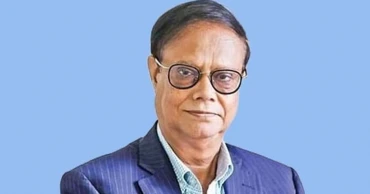
New govt to continue reforms in banking sector: Bangladesh Bank governor
The newly formed government will continue the ongoing reform programme in the banking sector, with priority given to controlling inflation, reducing non-performing loans and ensuring stability of the merged banks, Bangladesh Bank Governor Ahsan H Mansur said on Monday.
He made the remarks while speaking to reporters after a closed-door meeting with Finance Minister Amir Khosru Mahmud Chowdhury at the minister’s office in the Secretariat.
The governor said the meeting focused on reviewing the progress of various reform initiatives undertaken by the central bank in recent months.
“We briefed the finance minister on the reforms we are implementing. He has emphasised continuing these measures and expressed strong support. His response was very positive,” Mansur said.
Responding to questions, the governor said controlling inflation remains one of the government’s top priorities.
“Inflation must be brought down — there is no disagreement on this,” he said.
He said the central bank is working to reduce inflation through tighter monetary policy, better liquidity management and coordinated interest rate measures. Efforts are underway to control excess liquidity in the market and ensure that monetary policy remains aligned with inflation control objectives.
The issue of rising non-performing loans was also discussed at the meeting, with the central bank taking stricter measures to address the problem.
Mansur said legal actions against large defaulters are being strengthened, while loan restructuring policies have been tightened. Authorities are also identifying wilful defaulters and enhancing transparency in the loan classification process.
“We are holding regular discussions with bankers. Many believe the steps taken are beginning to produce results,” he said.
At the same time, he added, the central bank is ensuring that credit flow to productive sectors continues to support economic activity.
Bangladesh’s forex reserves surge past $34 billion driven by remittance boom
The stability of the five banks merged to form the consolidated Islami bank was also discussed during the meeting.
The governor said ensuring stability of the merged institution is now a key priority, noting that the deposit situation has been gradually improving.
“Depositors are receiving their funds, and new deposits are also coming in,” he said.
He added that the process of appointing a new managing director had been delayed after a potential candidate fell ill. Until a new appointment is made, the administrator and board will continue overseeing reform measures. Extending the board’s tenure, if necessary, is also under consideration.
The five banks — EXIM Bank, Social Islami Bank, First Security Islami Bank, Global Islami Bank and Union Bank — were merged to form the consolidated Islami bank. The bank has an authorised capital of Tk 400 billion and a paid-up capital of Tk 350 billion, of which the government has contributed Tk 200 billion.
Bangladesh’s financial sector has faced widespread allegations of irregularities and corruption in recent years, particularly involving loan scams, capital flight, politically influenced lending and weak regulatory oversight.
Following the political transition in August 2024, the interim government initiated a series of reforms to restore discipline in the financial sector. These included bank mergers, restructuring of bank boards, enhanced regulatory oversight, legal action against major defaulters and liquidity support measures.
However, many of the reforms remain ongoing due to the limited timeframe of the interim administration.
Officials said the responsibility for fully implementing these reforms and restoring stability and public confidence in the banking system now rests with the new government.
Bangladesh Bank officials said key reform priorities include strengthening governance, reducing capital shortfalls, improving risk management, lowering defaulted loans and enhancing supervision across the banking sector.
5 months ago
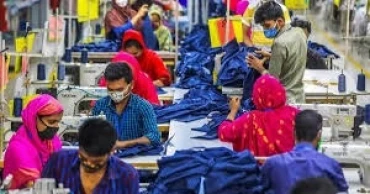
Two more Bangladeshi garment factories achieve prestigious ‘Green’ certification
Bangladesh’s RMG sector has reached a new milestone in eco-friendly industrialization as two more garment factories have earned the prestigious Leadership in Energy and Environmental Design (LEED) certification from the U.S. Green Building Council (USGBC).
With these new additions, the total number of LEED-certified garment factories in Bangladesh has risen to 275, further solidifying the country’s position as a global leader in sustainable manufacturing.
The two newly certified factories, both located in Gazipur, have demonstrated excellence in environmental safety and resource efficiency:
MNR Sweaters Ltd, located in Braidachala, Sreepur, achieved the highest ‘Platinum’ rating with a score of 85 under the 'Existing Building' category.
Fashion Floor BD Ltd, located in Godarchala, Telihati, secured a ‘Gold’ certification with a score of 71 under the 'New Construction' category.
The Bangladesh Garment Manufacturers and Exporters Association (BGMEA) highlighted that out of the 275 certified factories, 116 hold the ‘Platinum’ rating and 140 are ‘Gold’ certified. Notably, Bangladesh now dominates the global landscape by hosting 70 of the world’s top 100 highest-rated green factories.
RMG exports down 2.4% y-on-y in first 7 months of fiscal
Industry experts attribute this success to advanced measures in energy saving, water management, and waste reduction.
Mohiuddin Rubel, former Director of BGMEA and Additional Managing Director of Denim Expert Ltd, stated that this continuous streak of certifications keeps Bangladesh’s RMG industry ahead in the competitive global market.
"This trend of sustainable industrialization will be instrumental in boosting future exports and establishing Bangladesh as a responsible and long-term supplier in the global fashion supply chain," experts noted.
5 months ago
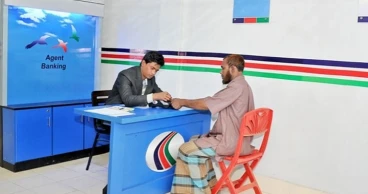
Agent banking deposits in Bangladesh makes a big jump
Bangladesh’s agent banking sector is defying conventional trends, recording strong deposit growth even as the number of agents and service outlets declines.
According to the latest report from Bangladesh Bank, total deposits in agent banking reached Tk 49,356 crore at the end of 2025, up 18 percent from Tk 41,785 crore in December 2024. This represents a net increase of Tk 7,571 crore.
The growth comes amid a contraction in the sector’s physical infrastructure.
Agent banking outlets fell from 21,248 in 2024 to 20,501 in 2025, a reduction of 747 service points. Active agents also declined from 16,019 to 15,328 over the same period.
Experts attribute the drop in outlets largely to Agrani Bank’s suspension of certain agent banking operations.
Remittance inflow crosses $2 billion in just 18 days of February
“While the closure of some networks impacted the numbers, the surge in deposits is a positive sign,” said Arfan Ali, a veteran banker and former Managing Director, highlighting renewed public confidence in the formal banking system.
Key Performance Indicators (2025 vs 2024):
· Deposits: Tk 49,356 crore, up 18%
· Loan Disbursement: Tk 11,755 crore, up 16%
· Active Accounts: ~2.5 crore
· Transaction Volume: 2.62 crore in Oct-Dec 2025, down 3% from 2.70 crore
Top Banks by Agent Banking Deposits:
· Islami Bank Bangladesh PLC: Tk 21,530 crore (Market Leader)
· Dutch-Bangla Bank: Tk 6,887 crore
· Bank Asia: Tk 6,515 crore
· Al-Arafah Islami Bank: Tk 3,869 crore
· BRAC Bank: Tk 2,897 crore
Agent banking remains a low-cost avenue for banks to reach rural markets, allowing them to mobilize small savings and channel funds into corporate loans.
Around 30 public and private banks currently offer services including cash deposits, loan processing, utility bill payments, and remittance disbursement.
Despite a slight decline in transaction numbers, the sector’s loan accounts grew to over 2.39 lakh, signalling its rising importance as a source of credit for small-scale borrowers and rural entrepreneurs.
5 months ago
UAE-Bangladesh joint venture to invest $10m at BEPZA Economic Zone
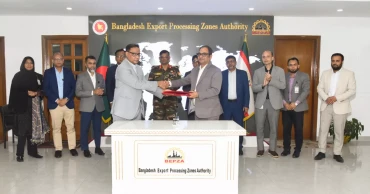
Integrated Composite Industries Ltd., a UAE-Bangladesh joint venture company, has signed a land lease agreement with Bangladesh Export Processing Zones Authority (BEPZA) to establish a Fibre Reinforced Polymer (FRP) composite products, steel frame and accessories manufacturing industry at the BEPZA Economic Zone.
The agreement was signed on Saturday at the BEPZA Complex in Dhaka, according to a press release issued on Monday.
Under the agreement, the company will manufacture modern bathtubs, jacuzzis and panel tanks using FRP, alongside various composite products and accessories, including moulds and patterns to support production, said a press release.
The company plans to produce 6,174 metric tonnes of FRP products annually, targeting strong demand in the shipbuilding and cruise industries.
Most of the output is expected to be exported, primarily to Dubai.
The venture involves a proposed investment of US$10 million and is expected to create employment opportunities for 906 Bangladeshi nationals.
Md Tanvir Hossain, Executive Director (Investment Promotion) of BEPZA, signed the agreement on behalf of the authority while Kamrul Hasan Chowdhury, Chairman of Integrated Composite Industries Ltd., signed on behalf of the company.
BEPZA Executive Chairman Major General Mohammad Moazzem Hossain witnessed the signing ceremony.
Welcoming the investor, BEPZA Executive Chairman reaffirmed the authority’s commitment to providing seamless facilitation and a supportive, investor-friendly environment to ensure the success of industrial ventures.
He thanked Integrated Composite Industries Ltd. for undertaking a diversified manufacturing initiative in Bangladesh and expressed hope that such non-traditional, value-added products would help diversify the country’s export basket.
Kamrul Hasan Chowdhury expressed satisfaction with BEPZA’s investor-friendly initiatives and said Bangladesh is emerging as an attractive destination for global investors. He also expressed optimism about commencing operations at the earliest possible time.
5 months ago
Karwan Bazar traders announce Ramadan price cuts on lemon, oil, sugar, meat
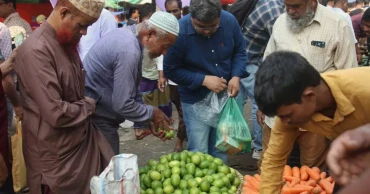
Traders at the capital’s Karwan Bazar on Monday announced price reductions on several essential commodities, including lemon, edible oil, sugar and beef, aiming to ease consumers’ burden as the holy month of Ramadan is underway.
The announcement came at a press conference organised by Islamia Shanti Samiti at the kitchen market of Karwan Bazar.
Business leaders said they have decided to lower prices by reducing their profit margins in consideration of consumers during the holy month of Ramadan.
According to the traders, the price of lemon will be reduced by Tk 2 per piece, edible oil by Tk 1 per litre, sugar by Tk 1 per kg, gram (chhola) by Tk 2 per kg, Tang (200g packet) by Tk 5, beef by Tk 30 per kg and Miniket rice by Tk 1 per kg.
Lemon traders said lemons are sold in different categories depending on quality and source. Premium-quality lemons are currently sold at up to Tk 17 per piece, while lower-grade ones sell for as low as Tk 3. Prices of all categories will be reduced by Tk 2 per piece, they added.
Edible oil traders said they will cut Tk 1 per litre. A five-litre bottle, previously sold at Tk 920, will now be available at Tk 915.
Traders also said packaged sugar, which has a printed price of Tk 105 per kg and was being sold at Tk 102, will now be sold at Tk 101 per kg. The price of gram has been reduced from Tk 85 to Tk 83 per kg.
Beef traders announced a Tk 30 reduction per kg, bringing the price down to Tk 750. Miniket rice will also be sold at Tk 1 less per kg, they said.
Among others, Saiful Islam Milon, MP from Dhaka-12 constituency, and business leaders of Karwan Bazar were present at the press conference.
5 months ago