lifestyle

Some US states introduce gun safety lessons for schoolchildren
Students in some U.S. states are now being taught what to do if they come across a firearm, as new laws make gun safety lessons mandatory in public schools.
Arkansas, Tennessee, and Utah have enacted laws requiring schools to include firearm safety education for children as young as five. The lessons cover the basics of gun safety and proper storage, though only Utah allows parents to opt their children out.
In Tennessee, the curriculum features games, quizzes, and videos with colorful illustrations to help keep students engaged. The lessons teach a simple message: “Stop, don’t touch, leave quickly, tell an adult.”
Supporters, including the Tennessee Wildlife Resources Agency, say the courses can prevent accidental shootings and encourage families to store guns safely. “It’s about education and prevention, not politics,” said spokesperson Emily Buck.
The classes are designed to be neutral, avoiding debate over gun ownership or rights. In Arkansas, parents can also opt for off-campus courses that include live firearm demonstrations.
Gun violence remains a leading cause of death among U.S. children and teens, according to the Centers for Disease Control and Prevention. Proponents argue that early education could save lives, while critics — including gun control advocates — say the focus should be on laws that hold adults accountable for unsafe storage.
Schools have flexibility in how to teach the lessons, whether through teachers or visiting law enforcement officers. Principals like Clint Davis of Berclair Elementary in Memphis say the initiative addresses a longstanding problem: “Kids getting hurt by guns isn’t new. We’re just now taking a more proactive approach.”
8 months ago

Rare video captures sucker fish “surfing” whales in the ocean’s wildest ride
Traveling across the ocean doesn’t get much smoother — or more stylish — than catching a ride on a whale, at least if you’re a remora.
Marine researchers studying humpback whales off Australia have filmed remarkable footage of these so-called sucker fish clinging to their massive hosts, peeling away just before the whales breach, and then expertly reattaching as the animals crash back into the sea. The precision is astonishing — like synchronized swimmers or Olympic gymnasts sticking a landing.
Remoras, or Remora australis, spend nearly their entire lives attached to whales or other large sea creatures. Using a suction-like disc on their heads, they create a vacuum seal that allows them to hang on tightly while feeding on scraps of skin and parasites — a convenient arrangement for both species.
Whale Cameras Reveal Ocean Hitchhikers
The extraordinary scenes were recorded unintentionally by Olaf Meynecke, a marine scientist from Griffith University’s Whales and Climate Research Program. Meynecke had attached suction-cup cameras to humpbacks during their annual migration from Antarctica to Australia’s Queensland coast.
Instead of just whale behavior, his footage showed entire schools of remoras — sometimes 50 or more — jockeying for position on the same patch of skin where the cameras were mounted.
“Whenever the whales breached or made sudden moves, the sucker fish reacted almost instantly,” Meynecke said. “They seemed to know exactly when to let go before the whale hit the surface, and then reattached within seconds once it was back underwater.”
A Sticky but Strained Relationship
While remoras are harmless and even help whales by eating parasites, Meynecke believes some whales find their clingy companions irritating.
“In some cases, we saw whales with lots of remoras repeatedly breaching, even when no other whales were nearby,” he said. “It looked like they were trying to shake them off — almost checking afterward to see if they had fewer attached.”
The Mystery of the Journey
Each year, about 40,000 humpbacks travel along Australia’s so-called “humpback highway,” migrating between Antarctica and Queensland — a round trip of roughly 10,000 kilometers (6,000 miles). But how long their remora passengers stay aboard remains unclear.
“I suspect most remoras detach at some point in temperate waters,” Meynecke said. “But where do they go after that? Do they find other hosts until the whales return?”
When separated from whales, remoras often latch onto other large sea animals — such as manta rays, dolphins, or even scuba divers — much to the divers’ frustration.
“They’re not easy to shake off,” Meynecke joked.
8 months ago

‘Bike bus’ in New Jersey turns school commute into a community event
What started as a small effort by a few parents to make cycling to school safer has turned into a joyful weekly ritual in Montclair, New Jersey, where more than 350 children and parents now ride together in what’s known as a “bike bus.”
On Friday mornings, families gather in a neighborhood shopping area before setting off on a 5-mile group ride to two local elementary schools. Volunteers in bright safety vests help coordinate the route, while cars stop to let the long line of cyclists pass.
“It was so fun,” said 7-year-old second grader Gigi Drucker after arriving at Nishuane Elementary School. “The best way to get to school is by bike because it gives you more exercise. It’s healthier for the Earth.”
Organizer Jessica Tillyer said the initiative began with just five parents who wanted to ride with their children but felt unsafe cycling alone. “Now, we can have up to 400 people riding together,” she said, adding that the weekly ride builds community and healthy habits.
Nutritionist warns: 5 protein-rich foods that may actually cause weight gain
The “bike bus” trend is spreading worldwide, with more than 400 similar routes across the U.S., Europe, Australia, and Asia, according to the nonprofit Bike Bus World. Co-founder Sam Balto, who started one in Portland, Oregon, said families are drawn to “something super joyful and community-driven” instead of long car lines.
The Montclair group maintains enthusiasm through themed rides, social media coordination, and weather-ready planning. Organizers stress consistency — rain or shine — and encourage others to start small.
“Don’t ask for permission. Just get on your bikes and ride,” Tillyer said. “Once people experience it, they’ll want to join.”
Source: AP
8 months ago

Nutritionist warns: 5 protein-rich foods that may actually cause weight gain
High-protein foods are often associated with weight loss, but some popularly marketed protein-rich items may actually contribute to weight gain due to their high fat and carbohydrate content.
In an October 23 Instagram post, online nutrition coach Justin Gichaba highlighted five such foods that can add to belly fat instead of supporting fat loss.
Peanut butter – Often considered a protein powerhouse, peanut butter is actually high in fat, which significantly increases its calorie content. While it provides some protein, the accompanying fats can outweigh its benefits.
Beans – Though beans are thought to be protein-rich, they contain a large amount of carbohydrates alongside their protein, which may hinder weight loss if consumed in excess.
Quinoa – Despite being marketed as a high-protein grain, quinoa is primarily composed of carbohydrates. Its protein content is relatively modest and should not be relied on as a main protein source.
Nuts – Almonds, cashews, pistachios, and other nuts are packed with fat along with protein. The high fat content limits their effectiveness as a primary protein source.
Granola – Even varieties labeled “high protein” are typically rich in carbohydrates and fats, which outweigh the protein content, potentially impacting fat loss goals.
Gichaba cautioned, “If you rely on any of these five foods as your main protein source, losing fat will be extremely difficult, and in some cases, you may even gain weight.”
Source: NDTV
8 months ago
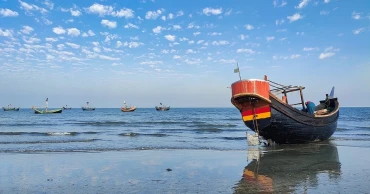
How to Visit Saint Martin’s Island in Tourist Season 2025-26
Saint Martin’s Island is a marvellous blessing of nature on the Bay of Bengal. This heavenly island bestows a cherished retreat for both domestic and foreign visitors drawn to its calm, coral-fringed shores.
Despite recent travel restrictions and environmental limitations, tourists still find their way to the country's only coral island. The transport system, however, remains limited; only a few authorised ships operate on fixed schedules. Ticketing and travel pass regulations are now more stringent, with tied permits for visits and overnight stays.
Let’s unravel all the necessary details of how tourists can visit Saint Martin in the tourist season (2025–26).
Saint Martin Visiting Time This Winter
Considering the weather conditions and safety protocols, passenger ships to Saint Martin’s Island are permitted to operate only upon approval from the concerned administration. For the ongoing open season, travel is allowed from November 1, 2025, to January 2026.
Read more: Visit Saint Martin, Coral Island, Bangladesh: Piece of Paradise on Bay of Bengal
During November, visitors must complete their trips within the same day, as overnight stays are restricted. However, from December through January, night halts are authorised, enabling short-term accommodation under regulated supervision.
BIWTA Jetty, Cox's Bazar: The Only Departure for Saint Martin Trip
For security and administrative reasons, all authorised tourist vessels to the coral island will operate solely from Cox’s Bazar. The Teknaf and Ukhia Inani routes remain legally prohibited.
Only authorised passenger ships are allowed to operate; small boats, trawlers, and speedboats remain strictly prohibited under current regulations. Ships will depart from the Nuniya Chhara BIWTA Ghat between 7:00 and 10:00 a.m., their schedules aligned with the low tide. Return journeys from the island are set between 3:00 and 6:00 p.m., also based on tidal conditions. Depending on weather and sea currents, the voyage typically takes five to five and a half hours each way.
Read more: St Martin’s reopens, but no ships sail as overnight stays banned
Visitors may remain on the island without a fixed time limit during December and January, when night stays are allowed.
8 months ago

Phuket emerges as a tropical investment hotspot for UK buyers
Thailand, famously known as the “Land of Smiles,” continues to captivate visitors with its scenic beauty, warm hospitality, and rich cultural traditions — complemented by some of the world’s most celebrated cuisine.
The island province of Phuket, one of Thailand’s most sought-after destinations, is now drawing record numbers of tourists as the high season begins this month. According to Banyan Group Residences, a leading luxury property developer, the tropical island has also become a prime choice for Britons seeking a second home or planning to relocate abroad.
Offering an attractive mix of affordability, natural beauty, and modern amenities, Phuket’s cost of living is 50–70% lower than in major UK cities, while private healthcare costs up to 80% less. The island also boasts international hospitals and British-curriculum schools, making it ideal for retirees, families, and digital nomads.
With its year-round sunshine and warm sea temperatures, Phuket provides a sunny alternative to the UK’s cold winters. Its strong expat community, convenient travel links, and relaxed visa policies add to its appeal. In 2024 alone, around 250,000 British travellers visited the island, many exploring long-term property opportunities.
Real estate opportunities
Phuket’s real estate market offers a wide range of options — from beachfront villas to modern condos. The Laguna Phuket development, a 1,000-acre resort by Banyan Group, includes seven hotels, an 18-hole golf course, restaurants, spas, and the country’s largest beach club, RAVA. Over 5,000 luxury homes are already part of the project, with more underway, such as the sustainable Laguna Lakelands and the high-end Banyan Tree Beach Residences.
Underwater sculpture park turns art into coral reef off Miami Beach
Compared to the UK, Phuket’s property market offers strong value — a £750,000 investment can buy a 213 sq m luxury home on the island, versus only 33 sq m in London. Foreign investors make up over 60% of condo buyers, with British nationals among the top ten. Property values typically rise 5–10% annually, ensuring solid long-term returns.
Banyan Group: redefining luxury living
The Banyan Group, known globally for its Banyan Tree Hotels & Resorts, ranks as Asia’s leading and the world’s fifth-largest developer of branded residences. Homeowners benefit from flexible ownership models, rental management by Banyan’s five-star hospitality team, and extensive after-sales services — including 24/7 concierge and property management.
With its seamless buying process and resort-style amenities, Banyan Group makes owning a home in Phuket a gateway to sunshine living — where every day feels like a holiday.
Source: AP
8 months ago
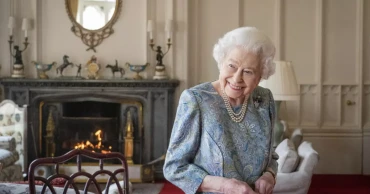
Buckingham Palace to host largest-ever exhibition of Queen Elizabeth II’s fashion
Buckingham Palace will stage the largest-ever exhibition of the late Queen Elizabeth II’s fashion next year, showcasing around 200 items — including many never publicly displayed — to mark what would have been her 100th birthday, officials announced Tuesday.
The exhibition, titled “Queen Elizabeth II: Her Life in Style,” will run from April 10 to October 18, 2026, and will feature the monarch’s iconic gowns, including her wedding and coronation dresses, as well as opulent outfits worn during state occasions over her historic 70-year reign.
Elizabeth, who died in September 2022 at the age of 96, was Britain’s longest-reigning monarch, and her wardrobe is considered one of the most important archives of 20th-century British fashion. She would have celebrated her centenary on April 21, 2026.
Highlights include a tulle bridesmaid dress worn by an 8-year-old Princess Elizabeth in 1934, along with many couture creations by her most influential designer, Norman Hartnell. Hartnell designed some of the queen’s most memorable looks, including the apple-green gown she wore at a 1957 state banquet for U.S. President Dwight D. Eisenhower, a pastel blue gown for her sister Princess Margaret’s wedding in 1960, as well as her wedding and coronation dresses.
Visitors will also see items from the queen’s private wardrobe, ranging from riding outfits and Harris tweed jackets to raincoats, headscarves, design sketches, and fabric samples that offer insight into the process behind dressing the monarch. A notable piece is a transparent raincoat by Hardy Amies from the 1960s, designed to display Elizabeth’s vibrant daywear to crowds regardless of the weather.
The exhibition will also feature creations by contemporary British designers Erdem Moralioglu, Richard Quinn, and Christopher Kane, reflecting the queen’s enduring influence on modern fashion.
“Queen Elizabeth II’s wardrobe is one of the most significant living archives in modern fashion history,” said Kane. “Her garments tell the story of Britain and its changing identity through fashion and provide a masterclass in silhouette, construction, symbolism, and restraint.”
Tickets for the exhibition will go on sale Tuesday. Source: AP
8 months ago

Underwater sculpture park turns art into coral reef off Miami Beach
South Florida is welcoming a new fleet of cars — but these won’t clog traffic or add to commutes. They’re made of marine-grade concrete and rest beneath the ocean surface off South Beach.
In late October, crews submerged 22 life-sized car sculptures several hundred feet off the Miami coastline as part of “Concrete Coral,” a project by the nonprofit REEFLINE to create an underwater sculpture park that doubles as a human-made coral reef.
Funded in part by a $5 million Miami Beach city bond, the installation will soon be seeded with 2,200 native corals grown in a local lab. REEFLINE aims to raise $40 million to expand the project into an 11-phase underwater art corridor stretching along the city’s seven-mile (11-kilometer) shoreline.
“I think we are making history here,” said REEFLINE founder Ximena Caminos. “It’s a one-of-a-kind, pioneering reef that brings science and art together.”
Designed by artist Leandro Erlich, the submerged cars will soon become home to thriving coral and marine life, said Colin Foord, who heads REEFLINE’s coral lab. “Nature’s going to take back over, and we’re helping by growing the soft corals,” he said.
Future phases will include “Heart of Okeanos,” a massive sculpture modeled after a blue whale’s heart by Petroc Sesti, and “The Miami Reef Star,” a large star-shaped installation by artists Carlos Betancourt and Alberto Latorre.
Miami Beach Mayor Steven Meiner said the project will also boost local jobs and eco-tourism through snorkeling, diving, and paddleboarding tours. “Miami Beach is a global model,” Meiner said. “We’re setting the blueprint for other cities to follow.”
City strolls can be as beneficial as nature walks, say researchers
REEFLINE also offers hands-on education programs, inviting volunteers to plant corals alongside scientists and take part in monthly conservation activities through a floating marine learning center.
Caminos said while the project cannot solve major environmental challenges like climate change or sea level rise, it can inspire awareness and collaboration. “We can show how creatively and collaboratively we can tackle man-made problems with man-made solutions,” she said.
Source: AP
9 months ago

AIIMS-trained doctor suggests 3 drinks for fatty liver health
Dr Saurabh Sethi, an AIIMS, Harvard, and Stanford-trained gastroenterologist, has shared three easy-to-prepare drinks that he often recommends to his patients suffering from fatty liver disease — a growing health concern linked to poor diet, lack of exercise, and excessive alcohol or processed food intake.
In a short video posted on Instagram on Sunday, Dr Sethi highlighted that while medical treatment and lifestyle changes remain essential for managing fatty liver, simple dietary additions can also make a significant difference.
1. Beetroot juice
Dr Sethi said beetroot juice is rich in betalains — antioxidants that protect liver cells and reduce fat buildup. He advised moderation due to its natural sugar content, suggesting one glass a few times a week to support liver health.
2. Coffee
Coffee, he noted, can lower the risk of fatty liver and liver fibrosis. Dr Sethi recommended choosing organic coffee without sugar, adding that natural sweeteners like honey, monk fruit, or stevia can be used — but without erythritol additives.
3. Green tea
Green tea, he said, contains catechins such as EGCG that have been shown to improve liver enzymes and reduce fat accumulation. Drinking a few cups weekly can help maintain liver function while providing a mild caffeine boost.
“These drinks are backed by science and clinical experience. They can help reduce liver fat, improve digestion, and support overall liver health,” Dr Sethi wrote in his post.
He added that maintaining liver health does not require complicated detox regimens or expensive supplements. “Sometimes, the simplest daily choices — like what you drink — can make the biggest impact,” he said.
Source: NDTV
9 months ago

Andrew’s royal downfall deepens latest crisis for Britain’s monarchy
Britain’s monarchy, long shaped by its sensitivity to public opinion, is once again facing turbulence following the downfall of Prince Andrew Mountbatten-Windsor.
King Charles III on Thursday stripped his younger brother of both his princely title and his official residence, marking the monarch’s strongest effort yet to distance the royal family from Andrew’s links to the late convicted sex offender Jeffrey Epstein.
The move follows years of damaging scandals involving Andrew and reflects Charles’ attempt to protect the institution from further controversy. Epstein, who died by suicide in 2019 while awaiting trial on sex trafficking charges, had been convicted more than a decade earlier.
The British monarchy — officially known as the House of Windsor — has survived multiple crises over the past century that have tested its endurance and public legitimacy.
Wartime backlashAccording to George Gross, a royal historian at King’s College London, the last comparable precedent to Andrew’s removal dates back to World War I. The 1917 Titles Deprivation Act allowed Britain to revoke titles from royals who had sided with Germany.
The royal family’s German roots ran deep through Queen Victoria’s marriage to Prince Albert of Saxe-Coburg and Gotha. When war broke out in 1914, members of the extended royal family found themselves on opposite sides.
In 1917, King George V renamed his lineage the House of Windsor and removed titles from nobles deemed enemies of Britain, including Prince Ernest Augustus, Duke of Cumberland and Teviotdale. According to the House of Commons Library, it remains the only instance of such a measure in modern history.
The abdication crisisA similar constitutional shock came in 1936 when King Edward VIII gave up the throne to marry American divorcee Wallis Simpson. At the time, the Church of England barred remarriage after divorce, making the union politically and religiously untenable.
Edward abdicated that December, saying in a radio address he could not continue “without the help and support of the woman I love.” His decision forced a redefinition of royal duty and ushered in a new era of service and restraint under his brother, King George VI — later inherited by Queen Elizabeth II and now King Charles III.
Edward and Wallis, later titled the Duke and Duchess of Windsor, spent most of their lives abroad amid suspicion of Nazi sympathies.
King Charles III strips Prince Andrew of titles to safeguard the monarchy
Diana’s deathThe 1997 death of Princess Diana, Charles’ ex-wife, became another defining moment. Her fatal car crash in Paris at age 36 stunned the world and exposed a rift between public mourning and the royal family’s private silence.
As crowds gathered and tributes filled the palace gates, the queen remained at Balmoral with her family. Under mounting public pressure and guidance from then-Prime Minister Tony Blair, she delivered a televised address praising Diana and acknowledging the nation’s grief, calling her “an exceptional and gifted human being.”
Harry’s riftMore recently, Prince Harry’s decision to step back from royal duties with his wife Meghan in 2020 — and their subsequent criticism of the institution in interviews, documentaries, and his memoir Spare — intensified scrutiny of the family.
Harry’s lawsuits against British tabloids and his failed attempt to regain police protection further strained relations with the palace. A brief meeting between Harry and his father in September marked their first in more than a year, though it lasted less than an hour.
A monarchy under strainAmid these ongoing tensions, Andrew’s exile represents the latest test of a centuries-old institution constantly balancing tradition and accountability.
As King Charles seeks to protect the monarchy’s reputation, the challenges — from historical scandals to modern controversies — continue to shape how Britons view their royal family.
Source: AP
9 months ago