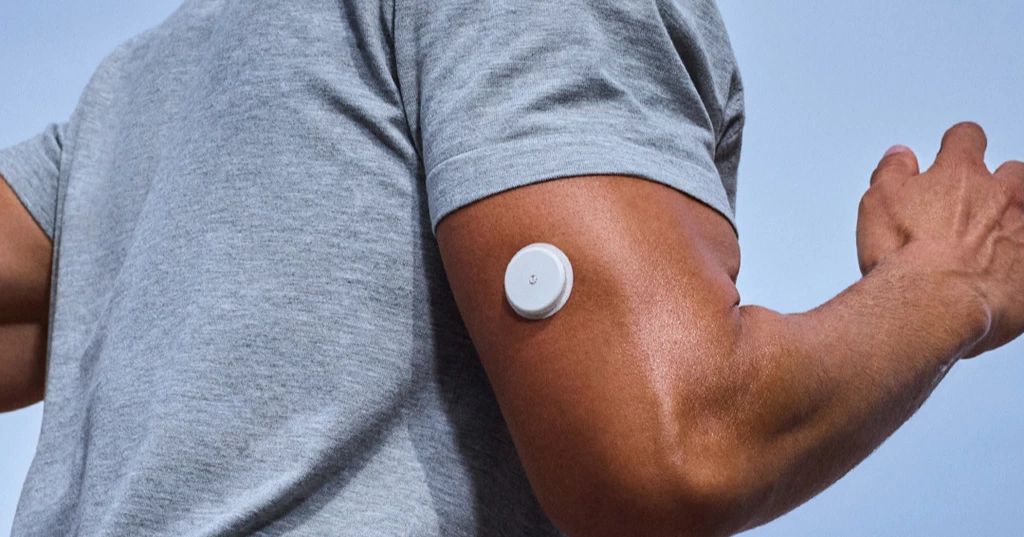
Continuous glucose monitors (CGMs), small devices that track blood sugar levels around the clock, are becoming increasingly popular beyond their traditional use by people with diabetes. However, experts warn that healthy individuals may not benefit much from monitoring their blood glucose continuously.
The devices, about the size of two stacked quarters, are worn on the upper arm or stomach and measure glucose in the fluid under the skin. They send readings every few minutes to an app or display, helping users track how food and activity impact blood sugar.
Health Secretary Robert F. Kennedy Jr. recently praised CGMs as tools to help Americans take control of their health by making informed decisions about diet and lifestyle.
Cardiologist reveals 6 morning habits that keep heart strong
CGMs have proven lifesaving for the more than 38 million Americans with diabetes—a condition where blood sugar remains high due to insufficient insulin or resistance. For people without diabetes, blood sugar typically rises and falls normally after meals, and fluctuations are not cause for concern.
Dr. Jody Dushay, an endocrine specialist at Beth Israel Deaconess Medical Center, cautions that CGMs can be “notoriously inaccurate” and may cause users to misinterpret normal blood sugar changes, potentially creating unnecessary anxiety.
The devices became available over the counter in the US last year and cost about $100 per month. They have gained traction among consumers curious about their health, driven by marketing from health influencers and apps like Noom.
Experts say CGMs are most useful for people with diabetes or risk factors such as obesity, prediabetes, or a family history of the disease. For healthy individuals, the benefits are unclear, and interpretation of the data is not standardized.
Before using a CGM, experts advise considering the purpose and expected outcome of the monitoring.