opinion

Standing in solidarity with the tragic Kyirong-Rasuwa flash flood victims
I am deeply saddened by the tragic loss of lives and devastation caused by the sudden flash flood in Rasuwa, Bagmati Province, Nepal, and Xizang (Tibet), China. My heart goes out to the families and loved ones of those who have lost their lives and to all those enduring the consequences of this tragedy. I also extend my deepest appreciation to all those working tirelessly on the ground in response and rescue efforts.
On behalf of ICIMOD, I extend our solidarity to the people and the Governments of Nepal and China at this difficult time. We stand ready to support the ongoing response and recovery efforts, drawing on the knowledge, science, data, and expertise available to us.
The speed and force of the flood, carrying large volumes of water, sediment, and boulders through the Bhote Koshi and Trishuli river systems, are deeply concerning. The potential for impacts further downstream is a reminder of how quickly a hazard in the mountains can become a wider regional concern. It also reinforces the importance of timely information, early warnings, preparedness, and coordinated action.
I am writing this message from Bhutan, where I am attending the Second HKH Parliamentarians’ Meet. Being here at this moment makes the importance of regional cooperation feel even more immediate and personal. The tragedy in Rasuwa (Nepal) and Kyirong (China) reminds us that the mountains we share, the rivers that connect us, and the communities that depend on them cannot be separated by national boundaries. Neither can the risks we face.
What happens in one part of the Hindu Kush Himalaya (HKH) can have consequences far beyond it. This is why we need stronger cooperation, not only in times of crisis, but before disasters strike. We must share knowledge and data, strengthen early-warning systems, improve preparedness, and ensure that information reaches communities in time to save lives.
Our gathering in Bhutan is therefore not simply about dialogue. It is about turning our shared understanding into collective action. Regional cooperation must move from aspiration to sustained action, because the risks are growing faster than any one country can address alone.
The decisions we make today will shape the safety and well-being of generations to come. The people of the HKH deserve nothing less than our collective commitment to building a safer, more resilient future.
At ICIMOD, we remain committed to standing alongside the Governments of Nepal and China and working with all HKH countries to strengthen science, preparedness, resilience, and regional cooperation.
In moments such as this, solidarity must be more than words. It must translate into action, cooperation, and support.
#Mr. Pema Gyamtsho is the Director General of International Centre for Integrated Mountain Development (ICIMOD)
6 days ago

Cancer coverage must go beyond awareness to action
A newspaper story can be accurate, well-sourced and informative, yet still leave readers with no clear idea of what to do next. That is one of the most important lessons emerging from a five-year study of cancer coverage in two major Bangladeshi newspapers.
The study examined 257 cancer stories published online between February 2019 and February 2024 and found that fewer than half — 49 percent — contained what communication researchers call mobilising information (MI), or practical details that can help readers turn health awareness into action.
The research was led by Anirudha Biswas of the College of Journalism and Communications at the University of Florida, who is also the corresponding author. His co-authors are Md. Akil Khan of the School of Media and Strategic Communications at Oklahoma State University, Khalid Ahammed of Khulna University, Sish Ahemmed of the Department of Political Science at Clemson University, and Shahariar Khan Nobel of the Philip Merrill College of Journalism at the University of Maryland.
The researchers analysed cancer stories published on the websites of Bangladesh Pratidin and Daily Sun, looking for information such as screening locations, contact details, prevention advice and links to further resources.
The difference between the two newspapers was striking. Mobilising information appeared in 80.8 percent of Bangladesh Pratidin's cancer stories, compared with just 29.1 percent of Daily Sun's. Tactical information — the practical "how-to" guidance on prevention and screening — appeared in 61.9 percent of Bangladesh Pratidin stories, against 27 percent of Daily Sun stories.
Contact details for doctors, clinics and campaign organisers, as well as information about screening locations and schedules, were also considerably more common in the Bengali-language newspaper.
The disparity matters, but the more important question is what it says about health journalism in general. Newspapers do not merely tell people that a disease exists. At their best, they help people understand risks, recognise warning signs, find reliable services and make informed decisions.
Cancer reporting, therefore, should not end with describing the seriousness of the disease or quoting experts about its dangers. A reader who learns about cancer but is not told where screening is available, whom to contact or what preventive measures can be taken has received information, but not necessarily assistance.
This is particularly important in Bangladesh, where cancer care continues to face shortages of treatment facilities, equipment and specialists, while screening and specialised services remain unevenly distributed. Late diagnosis is also a persistent challenge.
In such circumstances, reliable information can become an important part of the public-health response. Journalism cannot build hospitals or provide treatment, but it can help bridge an information gap that may prevent people from seeking care in time.
The study also raises questions about the way cancer is covered. Only 257 stories from the two newspapers were included over five years, with coverage often concentrated around occasions such as World Cancer Day in February.
That suggests an episodic, event-driven approach rather than sustained reporting on cancer as a continuing public-health issue.
Awareness days have value. They draw attention to diseases that may otherwise receive limited public discussion. But cancer does not become a public-health concern only once a year. Prevention, early detection, treatment access, patients' experiences and health-system challenges require regular reporting.
A sustained reporting beat could also allow journalists to follow up on issues that are often forgotten after the initial story — whether screening programmes are functioning, whether treatment facilities have the necessary equipment, whether patients can access services and whether government commitments are being implemented.
The findings are even more significant because the study examined online newspaper stories. Digital journalism offers newsrooms tools that print journalism cannot easily provide. A story can directly link readers to hospitals, screening programmes, government services, credible medical organisations and other reliable resources.
Yet interactive mobilising information - including hyperlinks, embedded resources, comment facilities or email contacts- appeared in only two of the 257 stories. Bangladesh Pratidin had none.
This is a missed opportunity.
Publishing health information online without connecting readers to practical resources means news organisations are using only part of the potential of digital journalism. A simple link to a recognised screening centre or government health service could make a story considerably more useful without requiring a major increase in reporting space.
The researchers also found that stories focused on prevention, highly preventable cancers, environmental or occupational risks and educational information were more likely to contain mobilising information. Reports that included ordinary people, including patients and their families, also tended to provide more practical guidance than stories relying mainly on institutions and official sources.
These findings offer useful direction for newsrooms.
Health editors could introduce simple mobilising-information checklists for cancer stories. Reporters could routinely ask: What can readers do? Where can they go? Whom can they contact? What warning signs should they know? Is screening available, and where? What credible source can readers consult for further information?
Such questions would not change the fundamental purpose of journalism. They would strengthen it.
The difference between the two newspapers also deserves attention because they serve different audiences. Bangladesh Pratidin has a mass Bengali readership, while Daily Sun reaches a more concentrated English-speaking audience, including sections of the country's urban, professional and policy communities.
Access to actionable health information, however, should not depend on the language of the newspaper a person reads.
The study's limitations should also be recognised. It examined only two newspapers and cannot represent the entire Bangladeshi media landscape. The study period overlapped with the COVID-19 pandemic, when health desks were heavily occupied with coronavirus coverage. Researchers also could not determine how individual readers encountered the stories or whether exposure to mobilising information actually changed their behaviour.
Even so, the central message is difficult to ignore.
Cancer journalism should move beyond simply telling readers that cancer is dangerous. It should help them understand what they can do about it.
As Anirudha Biswas put it, "the key issue is not simply whether cancer is being covered, but whether that coverage gives people something they can actually do." Information about cancer risks or treatment is important, he said, but it becomes much more useful when readers are also told where they can seek screening, whom they can contact or what steps they can take.
That should be a basic principle of health journalism.
Newsrooms need not turn every cancer story into a medical guide. Nor should journalists prescribe treatments or replace qualified health professionals. Their responsibility is different: to provide accurate, understandable and useful information that enables readers to make informed choices.
Cancer coverage should therefore be treated as a continuing public-service responsibility, not merely as an annual awareness exercise.
The most successful health story is not necessarily the one that generates the greatest alarm. It may be the one that leaves a reader better informed, less confused and, most importantly, able to take the next appropriate step.
16 days ago
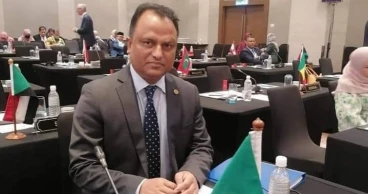
Silicon Delta Bangladesh: A National Vision for Building a Semiconductor Ecosystem
Bangladesh has arrived at an important infection point in its technological journey. The semiconductor industry development has entered the mainstream national conversation. Engineers, entrepreneurs, academics, policymakers, investors and members of the Bangladeshi diaspora are increasingly discussing how the country might position itself within one of the world's most strategic and fastest growing economic space.
This growing interest should be welcomed. But as Bangladesh moves from aspiration to execution, one lesson from successful semiconductor nations deserves careful attention: semiconductor ecosystems are not built around slogans or personalities. They are built around institutions. Having had the privilege of serving as Bangladesh's Deputy High Commissioner to Malaysia (2020-2025) and working closely with Malaysian government agencies, universities, multinational semiconductor companies and industry associations including Malaysia Semiconductor Industry Association (MSIA), I witnessed first-hand how a country patiently built one of the world's most successful semiconductor ecosystems.
Malaysia's success did not emerge overnight. Nor was it driven by any single individual or organisation. It was the result of more than five decades of consistent industrial policies, institutional continuity and close collaboration between government, academia and industry.
Today, global companies such as Intel, Infineon, AMD, Micron, Texas Instruments, ASE and Bosch operate within an ecosystem supported by institutions such as the Malaysia Investment Development Authority (MIDA), Malaysia Digital Economy Corporation (MDEC), TalentCorp, HRD Corp, InvestPenang, CREST, the Malaysia Semiconductor Industry Association (MSIA) and a network of universities and state governments.
Governments changed. Corporate leaders rotated. Policies evolved. The institutions endured. That continuity built investor confidence for steady growth of the semiconductor industry in Malaysia over time.
Bangladesh now has the opportunity to pursue a similar path. Fortunately, the country is not starting from zero. Home-grown semiconductor companies have already demonstrated that sophisticated integrated circuit design can be undertaken from Bangladesh (eg, Ulkasemi, Neural Semiconductor). Thousands of Bangladeshi engineers are contributing to leading semiconductor companies around the world. Universities continue to strengthen and upgrade engineering education, while policymakers are beginning to recognise semiconductors as a strategic industry with the potential to transform Bangladesh's future of economy.
These achievements belong collectively to Bangladesh. They should be recognised as national accomplishments rather than individual successes. That distinction matters. Technology ecosystems flourish when diverse ideas, institutions and people are encouraged to work together. They weaken when collaboration gives way to fragmentation or when national initiatives become associated with claims of individual ownership rather than shared responsibility.
The semiconductor industry is, perhaps, the ultimate example of collective endeavour necessary in pursuing the full potential of industrial growth in any emerging sector. Every successful chip represents the work of architects, circuit designers, verification engineers, software developers, fabrication specialists, packaging experts, testing engineers, logistics providers, investors and customers spread across multiple countries. No single organisation builds an industry alone.
The Branding Strategy
Bangladesh should, therefore, embrace a philosophy of ecosystem building rather than project building led by any individual. This principle also extends to national branding.
Around the world, successful innovation clusters have adopted identities rooted in their geography. Silicon Valley reflects California's Santa Clara Valley. Silicon Fen draws from Cambridge's distinctive landscape. Silicon Wadi (i.e., River) references Israel's river in the valley systems, while Silicon Docks symbolises Dublin's transformation into a global technology centre. Bangladesh now has a similar opportunity.
The expression "Silicon River" has recently generated public interest and has contributed positively to raising awareness about the semiconductor sector. It captures movement and connectivity, qualities that are valuable in themselves. Yet, Bangladesh possesses an even more distinctive geographical identity!
Bangladesh is the world's largest delta. Formed by the convergence of the Ganges, Brahmaputra and Meghna river systems before they reach the Bay of Bengal, the delta has shaped the country's more than 5000 year old civilisation, economy and culture. Unlike almost any other nation, Bangladesh can legitimately build a technology identity around this extraordinary geography.
The concept of a "Silicon Delta", therefore, deserves serious consideration. A river follows a single course. A delta represents convergence. That distinction is more than linguistic. Successful semiconductor ecosystems emerge through the convergence of engineering talent, universities, entrepreneurs, multinational companies, venture capital, research institutions, supportive public policy and international partnerships. Innovation itself is a process of convergence.
Bangladesh's geography therefore offers an unusually powerful metaphor for precisely that process. Strategically located between South Asia and Southeast Asia, and overlooking the Bay of Bengal, Bangladesh is well positioned to become a bridge connecting regional talent, manufacturing networks and emerging Indo-Pacific technology supply chains. In this sense, a "Silicon Delta" is not merely a branding exercise; it reflects Bangladesh's strategic geography and economic potential.
Equally important, a delta belongs to no single river. It exists because many rivers flow together. That is exactly the philosophy Bangladesh's semiconductor ecosystem needs to embody. The country's future competitiveness will depend not on identifying one champion, but on enabling hundreds of successful engineers, dozens of globally competitive companies, strong research ecosystems in our universities, patient investors and forward-looking public institutions to work towards a common national objective.
The next phase of Bangladesh's semiconductor journey should, therefore, focus on practical priorities: developing a national semiconductor roadmap, strengthening university-industry collaboration, building specialised engineering talent, actively engaging the global Bangladeshi semiconductor diaspora, attracting strategic foreign investment and establishing structured partnerships with experienced ecosystems such as Malaysia.
The Ministry of Foreign Affairs can also play an important role by integrating semiconductor promotion into Bangladesh's economic diplomacy. Diplomatic missions should actively identify investors, connect global technology firms with Bangladesh's emerging capabilities and strengthen partnerships with countries that possess mature semiconductor industries having potential to be connected with growing talent pool and increasingly globally experienced companies.
Ultimately, Bangladesh's semiconductor future will not be defined by who first coined a slogan. It will be defined by those who build enduring institutions, globally competitive companies, internationally recognised research capabilities and a new generation of engineers capable of competing with the world's best.
If Bangladesh is to embrace a lasting identity for that journey, it should be one that reflects the country's greatest geographical strength and strategic destiny. A "Silicon Delta" would represent far more than a brand. It would symbolise a national commitment to collaboration, convergence and institution-building—where government, industry, academia, investors and the diaspora come together to create an ecosystem that is greater than the sum of its parts.
Just as the Ganges, Brahmaputra and Meghna converge to create the world's largest delta, Bangladesh's semiconductor future should emerge from the convergence of ideas, institutions, innovation, investment and talent. That is how lasting technology ecosystems are built. And that is how Bangladesh can build one of its own.
Mohammad Khorshed A. Khastagir is a career Bangladeshi diplomat and former Deputy High Commissioner to Malaysia. He is currently a PhD researcher at Taylor's University, Malaysia, researching AI, digital sovereignty and diplomacy, and is a Visiting Researcher at the University of Cambridge with ongoing collaboration with AI Singapore on multilingual AI and digital governance.
Views expressed are of the author only.
17 days ago
A 140-year-old roof, a safety warning and a stalled restoration plan at Dhaka Club
For nearly 140 years, Dhaka Club’s historic Main Lounge has stood as one of the capital’s most recognisable social landmarks, a building tied closely to the city’s institutional, civic and social memory.
But beyond the structure's heritage value, growing safety concerns now raise a difficult question: how long can preservation wait when visible structural distress has already been documented?
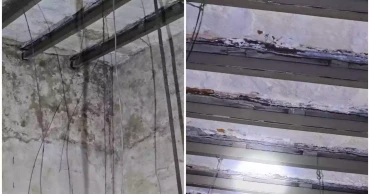
A preliminary visual structural condition assessment of the club’s Main Lounge Building and Bar Area has identified corrosion of steel members, cracks in slabs and beams, cracks in load-bearing walls, moisture intrusion, column irregularities and signs of possible past alterations.
The assessment carried out by an expert team appointed by the club describes the building’s overall structural condition as “very vulnerable” and mentioned that because only a few accessible areas were inspected, the actual condition may be more severe than the preliminary findings suggest.
It also states the structure is “very vulnerable during an earthquake” and recommends restricting access to heavily distressed zones while immediately commissioning a full Detailed Engineering Assessment, or DEA, to determine the true extent of the risk.
The building at the centre of the concern is the “Main Lounge”, the historic heart of Dhaka Club.
Tanvir Ahmed, BOD in charge of Sports at Dhaka Club, said the club premises include six buildings: the Main Lounge, Samsung H Building, Royal Bengal Dining, Wellness Building, Guest House and Tennis Lounge shade.
“The main concern is the main lounge rooftop,” he said.
Dhaka Club President Shameem Hossain also identified the Main Lounge as the area requiring urgent attention.
He described it as “the Main Lounge, which has become pretty dilapidated and needs immediate intervention, or a fateful incident may occur.”
He added, “The other buildings are okay structurally, but the lounge building is not. Rain seeping in from many points. Almost 140 years old and has been repaired many times over the years.”
He said the roof was inspected in 1986 by architect and structural engineer Shahidullah, who inspected and proposed immediate work in 1986 and did a minor repair and said it would be good enough for 10 years.
“40 years have since passed yet no action has been taken,” Hossain said.
That timeline now sits at the centre of the debate. If the 1986 intervention was intended as a short-term measure, the structure has outlived that temporary protection by almost four decades. During that time, the building has continued to serve members, staff and visitors.
The preliminary assessment appears to support those concerns.
Its visual findings repeatedly point to corrosion of steel members and slab reinforcement, cracking in slabs and beam joints, cracks near load-bearing walls and moisture-related deterioration.
The report does not call for immediate demolition. Instead, it calls for a deeper engineering investigation.
Its recommendation is clear: distressed areas should be cordoned off to protect occupants, and a full DEA should be commissioned immediately because the preliminary inspection was limited. Only such an assessment can determine the true extent of structural vulnerability and ensure public safety.
30 days ago

Clean and Healthy Rivers are the Key to Transformation of Asia’s Food Systems
Water systems are under stress across the region, and that puts sustainable farming, better nutrition, and everyone’s health at risk.
Asia and the Pacific’s food story has always been a water story.
From the Indus to the Mekong, the Yellow River to the Ganges, rivers have shaped civilizations, nourished crops, and powered trade. That relationship is under strain. The region is home to over half the world’s people but holds far less than its share of freshwater. Demand is rising, even as rivers, aquifers, and ecosystems face mounting stress.
Food security begins long before food reaches the table. The region feeds more than 4 billion people using just 28% of global freshwater and 30% of arable land. Yet, more than three-quarters of the region’s land experiences water stress. Rice—the predominant staple—uses about 40% of irrigation water, and almost half of cropland is degraded, undermining productivity and ecological resilience.
In six decades, Asia and the Pacific experienced three waves of transformation. The Green Revolution doubled cereal yields in countries such as India and Indonesia. Rural industrialization connected farms to processing and markets. Globalization turned Thailand and Viet Nam into major agricultural exporters.
These shifts slashed hunger—but generated hidden costs. South Asia now hosts some of the world’s most groundwater-stressed basins. Fertilizer use in parts of East and Southeast Asia more than quadrupled since the 1970s, polluting rivers and creating coastal dead zones. Diets have narrowed toward calorie sufficiency rather than nutritional diversity.
A changing climate compounds these pressures. Glaciers in the Hindu Kush–Himalayan region, which supplies water to almost 2 billion people, are retreating rapidly—a third could disappear this century. After a period of higher flows driven by accelerated melting, river volumes will likely decline in arid months. Meanwhile, rainfall grows more erratic. In 2022 and 2023, floods across Pakistan, India, and parts of Southeast Asia caused billions of dollars in losses, while droughts reduced agricultural output in Central and West Asia.
Agriculture itself is intensifying river stress. Heavy fertilizer and pesticide use leads to nutrient runoff and contamination. Soil erosion from steep-slope farming reduces reservoir storage and irrigation reliability. Groundwater extraction in parts of India, Pakistan, and northern People’s Republic of China now exceeds natural recharge rates.
The cycle is clear: degraded rivers undermine agriculture; unsustainable agriculture degrades rivers.
River systems do not follow borders; they connect mountain headwaters to deltas and farms to fisheries.
Breaking that cycle requires managing food systems at the scale at which water flows—across landscapes and river basins. River systems do not follow borders; they connect mountain headwaters to deltas and farms to fisheries. Monitoring glacier melt, for example, enables governments to anticipate seasonal river flows so farmers downstream can adjust crops and irrigation schedules. Restoring upstream forests reduces floods and sediment loads, protecting irrigation and hydropower infrastructure. Wetland restoration buffers storm surges while sustaining farming and fisheries.
Water must also be valued as natural capital. Water-related disasters account for nearly 75% of natural disaster losses. When aquifers collapse or river water becomes unsafe, economic shocks ripple across agriculture, health, and industry. Incorporating ecosystem services into planning—through natural capital accounting, smarter pricing, and better incentives—aligns growth with sustainability.
Four shifts are essential.
First, move from yield maximization to systems optimization. The goal is to grow food in ways that conserve water, protect soil, diversify crops, and improve diets. Drip irrigation, for instance, can reduce water use by 30%–50% while significantly increasing yields for certain high-value crops. In South Asia, farmers shifting from water-intensive rice to diversified horticulture have raised incomes while easing pressure on groundwater.
Governments must coordinate policies. Water, agriculture, health, and environment ministries often operate independently. Unsafe water and poor sanitation spread disease and reduce nutrient absorption, stunting the growth of children. Over half of all stunted children live in Asia and the Pacific. Aligning fertilizer subsidies with water-quality standards and nutrition strategies can improve farm productivity, protect rivers, and strengthen human capital.
We need to transition from short-term projects to long-term, programmatic investment. Multi-year initiatives that combine irrigation modernization, watershed restoration, digital water monitoring, and climate adaptation deliver more durable resilience than isolated infrastructure projects. Integrated river basin programs in the Mekong and South Asia show how upstream data and downstream investments can be coordinated to reduce flood risk and stabilize agricultural output.
Finally, embed inclusion. Women make up a substantial share of the region’s agricultural workforce yet often lack authority over water management. Evidence from farmer-managed irrigation systems shows that when women participate in water scheduling and fee collection, maintenance improves and irrigation coverage expands. Inclusion strengthens both equity and system performance.
Securing water is inseparable from improving nutrition. Clean and reliable water enables production of fruits, vegetables, and protein sources essential to healthy diets.
The future of food in Asia and the Pacific flows through its rivers. To secure that future, we must treat rivers as economic assets and manage and restore landscapes as living systems.
The direction is clear: transforming food systems begins with restoring and sustaining clean, healthy rivers.
Qingfeng Zhang is ADB Country Director for Bangladesh.
30 days ago

Worsening gas shortage threatens exports, disrupts daily life
Bangladesh’s worsening gas crisis is disrupting industrial production, straining households and threatening the country’s export earnings as severe shortages force factories to rely on costly diesel generators while consumers grapple with low gas pressure for cooking.
Industry leaders said persistent shortages of gas and electricity have disrupted production in key export-oriented sectors, particularly readymade garments (RMG), textiles and steel, increasing costs and jeopardising delivery schedules for overseas buyers.
Households in Dhaka and other urban areas have also been bearing the brunt of the crisis, with many residents reporting little or no gas supply during peak cooking hours.
Families have been forced to cook late at night or early in the morning when pressure improves slightly, while many have turned to liquefied petroleum gas (LPG) cylinders or electric appliances, adding to their monthly expenses.
The crisis has intensified following a technical failure on July 22 at one of the country’s floating storage and regasification units (FSRUs), which cut liquefied natural gas (LNG) supply to the national grid by around 450-500 million cubic feet per day (MMCFD).
Bangladesh’s daily gas demand stands at around 3,800-4,000 MMCFD, while normal supply is only 2,600-2,700 MMCFD, leaving a structural deficit of more than 1,100 MMCFD, according to the Ministry of Power, Energy and Mineral Resources.
Since the FSRU outage, supply has dropped further to about 2,150 MMCFD, widening the shortfall to nearly 1,700 MMCFD.
Domestic gas production currently ranges between 1,650 and 1,950 MMCFD but is declining by roughly 150 MMCFD annually as major gas fields become depleted.
Under normal conditions, imported LNG contributes around 1,000 MMCFD to the national grid.
The reduced gas supply has also affected electricity generation.
Gas allocation to power plants has fallen from about 900 MMCFD to 700 MMCFD, reducing gas-fired electricity output from around 5,200 megawatts (MW) to 3,500 MW and leading to power shortages of between 2,000 MW and 3,000 MW nationwide, according to the ministry.
Manufacturers say the twin shortages of gas and electricity have created severe bottlenecks across industrial supply chains.
Export-oriented factories are facing repeated production interruptions, increasing the risk of delayed shipments, financial penalties and order cancellations from international buyers.
Bangladesh Garment Manufacturers and Exporters Association (BGMEA) President Mahmud Hasan Khan said garment factories have struggled to maintain smooth production over the past several weeks because of inadequate gas and electricity supplies.
1 month ago

Politics and Management: Distinct Skills That Must Work Together
Politics and management are often treated as if they are the same discipline, yet they are fundamentally different. A person may be highly skilled in politics, but that does not automatically make them an effective manager. Similarly, a capable manager may not necessarily possess strong political skills. While both areas involve leadership and decision-making, they require different competencies and serve different purposes.
Post-July (2024) Bangladesh’s development experience demonstrates that strong political leadership alone is not enough to ensure national progress. Effective management of public institutions is equally important for delivering quality services, improving infrastructure, enhancing tax collection, and maintaining transparency. Recognising this need, the World Bank approved the Strengthening Institutions for Transparency and Accountability (SITA) project to modernize key government agencies and improve governance, public financial management, procurement, and auditing systems in Bangladesh (World Bank, 2025)
Politics is primarily concerned with governance, representation, negotiation, policymaking, and securing public support. Political leaders operate within complex environments where they must balance competing interests, address public concerns, and navigate changing social, economic, and international realities. Success in politics often depends on communication, persuasion, coalition-building, and strategic thinking (Hossain, 2011). If we observe Prime Minister Tarique Rahman’s leadership style, many of these political and management qualities appear evident in his approach. He is often viewed by academics, analyst and his supporters as a leader with a clear vision for Bangladesh’s future and the ability to inspire others toward common goals. However, the more important question is not only about leadership at the top, but whether he has got a strong team that understands and shares that vision.
Management is both a science and an art. It involves the effective utilisation of resources, the coordination of people, and the achievement of organisational goals. Good managers understand how to motivate individuals, build productive teams, allocate resources efficiently, solve problems, and create an environment where people can perform at their best. Management is centred on turning visions and objectives into tangible results (Hossain, 2011).
One of the most important characteristics of management is the ability to work with people. Effective managers recognise that organisations succeed through the efforts of their employees. They understand how to inspire, support, and guide individuals towards common goals. They also possess skills in planning, organising, monitoring performance, conflict resolution, and decision-making. Without these abilities, even the best strategies and policies may fail during implementation.
Traditionally, political leaders were not always expected to have extensive management expertise. Their primary role was to represent the public, formulate policies, and provide direction. However, the modern world has become increasingly complex. Governments now face unprecedented challenges, including rapid technological change, economic uncertainty, climate change, public health crises, demographic shifts, and evolving geopolitical dynamics. In such an environment, political leadership requires more than political acumen alone.
Today’s political leaders, cabinet ministers, legislators, and senior policymakers are responsible for overseeing large and complex institutions. They must manage substantial budgets, coordinate multiple agencies, supervise public programmes, and ensure that policies produce meaningful outcomes. These responsibilities demand strong management capabilities. A lack of management skills can lead to poor implementation, inefficient resource utilisation, delays in service delivery, and ultimately, ineffective governance. UNDP emphasize that capable, inclusive, and rule-based governance institutions are essential for ensuring transparency, accountability, and sustainable development in Bangladesh (UNDP, 2026)
Moreover, modern governance requires leaders who can combine strategic vision with operational effectiveness. Political leaders must not only develop policies but also ensure that those policies are implemented successfully. This requires skills in project management, stakeholder engagement, performance monitoring, risk management, and organisational leadership. Without these competencies, even well-intentioned policies may fail to achieve their desired impact.
For this reason, leadership development should be considered an essential component of public service. Legislative leadership training, executive education programmes, and short courses in management can equip political leaders with the practical skills needed to govern effectively. Such training can enhance their ability to manage teams, allocate resources, make evidence-based decisions, and respond to crises. It also helps leaders develop a stronger understanding of accountability, transparency, and public-sector performance.
Investing in leadership and management education for political representatives is not merely a personal benefit for those individuals; it is an investment in national development. Effective political leadership supported by sound management practices can improve public services, strengthen institutions, promote economic growth, and increase public trust in government. When political vision is combined with strong management capability, governments are better positioned to address challenges and deliver meaningful results for their citizens.
In conclusion, politics and management are distinct but complementary disciplines. Political skill alone does not guarantee effective management, just as management expertise alone does not ensure political success. However, in an increasingly complex and interconnected world, political leaders can no longer rely solely on political abilities. To govern effectively and contribute to national progress, they must also develop strong management and leadership skills. Leadership training and management education are therefore not optional luxuries but essential requirements for effective governance and sustainable national development.
Prof Aliar Hossain is the Head of Department for MSc Advanced Practice at Northumbria University London
1 month ago
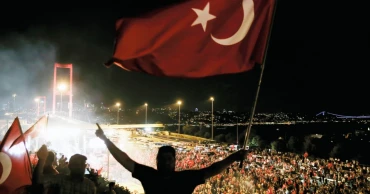
10th Anniversary of the 15 July Coup Attempt: Victory of Democracy
On the evening of July 15, 2016, the ''Fethullahist Terrorist Organization'' (FETO) launched a bloody coup attempt against the people and the government of the Republic of Türkiye.
Fethullah Gülen and his disciples were behind this coup attempt. FETO affiliated army units left their barracks to occupy key locations, fighter jets and attack helicopters bombed strategic targets including the Parliament, Presidential compound, army and police headquarters.
Our citizens from all backgrounds and political views took to the streets to stop this unprecedented heinous coup attempt. On that night, the Turkish people defended democracy with their lives. The plotters killed 253 innocent civilians and left thousands injured.
FETO, under the guise of promoting education and inter-religious dialogue, managed to cover its malign intentions for many years.
The disciples of Gülen believed that he is the ''Messiah'' and their loyalty is to him only, making them violate any legal, religious or ethical codes in order to advance the vicious interests of this group.
To conceal its sinister and heinous agenda, Gülen has formed a broad network of schools, NGO's and businesses operating not only in Türkiye, but also in many countries.
Terrorist organization FETO poses a threat not only to Türkiye but also other countries in which it is active. In many countries, terrorist organisation FETO-linked entities have been banned and their members expelled. Many schools affiliated with this terrorist organization abroad have been transferred to the Turkish Maarif Foundation after 2016.
FETO is recognized as a terrorist organization by the Organisation of Islamic Cooperation (OIC) and the Asian Parliamentary Assembly (APA).
The heinous coup attempt of 15 July 2016 is the worst act of terrorism in the history of the Republic of Türkiye.
15 July is observed as the Democracy and National Unity Day in Türkiye. On the 10th anniversary of this day, I pay tribute to our martyrs who defended democracy against terrorist organization FETO and express my gratitude to the veterans of 15 July.
Ramis Şen is the Turkish Ambassador to Bangladesh
1 month ago

Yellow jersey will shine again
There are moments in football when silence seems to speak more loudly than words. After the final whistle, millions of Brazilian hearts around the world felt the same weight of disappointment. I know that many of those hearts were here in Bangladesh.
To the extraordinary supporters of Brazil in this country, I wish to say, first of all: thank you. Thank you for wearing our colours, for raising our flag, for singing for our players, for believing in Brazil with such generous and sincere passion. Your love for our national team moves us deeply.
This defeat hurts. It hurts because football, for Brazilians, is never merely a game. It is memory, childhood, family, music, joy, hope — and sometimes, as today, heartbreak. But heartbreak is also part of every great love. And the love between Brazil and football has survived many painful nights.
Carlo Ancelotti, the Brazilian Coach, and Rodrigo Caetano, football coordinator of the Brazilian Footbal Confederation, have both reminded us that this is not the end of a story, but the beginning of a new cycle. They spoke of renewal, commitment, patience and trust in the future. These words matter. Brazil will rise again — not because defeat is easy to overcome, but because rising again is part of who we are.
To our Bangladeshi friends, who suffer with us and celebrate with us as if Brazil were also your home, please receive our deepest gratitude. Your affection is a gift to the Brazilian people. In moments like this, we understand that football can create a kind of brotherhood stronger than distance, language or borders.
The yellow jersey will shine again. The music will return. The joy will return. And when Brazil rises once more, we will remember those who stood by us when the night was hardest.
H. E. Paulo F. D. Feres is the Ambassador of Brazil in Bangladesh
1 month ago

Foreign Secretary Chatham House essay: Britain’s place in the new world order
The world is more dangerous than it has been for decades, and families across the United Kingdom are feeling the impact. War has returned to Europe, pushing up energy bills at home. A closed strait 3,000 miles away drives up prices at the petrol pump. Cyber-attacks from the other side of the world force British firms to shut down overnight. And criminal smuggling gangs make billions breaching our borders.
Geopolitical instability, economic coercion, technological change and a ravaged climate are creating a perfect storm. Having dealt with these threats on the international stage this last year, it is very clear to me the rapid pace at which that storm is now gathering, and the real risks for the UK if we are not ready to act.
We are not alone in facing these challenges. Across the world, nations are being buffeted by events and feeling powerless to respond. The result is a rising sense of frustration that is straining the fabric of democracies.
Here in the UK, successive foreign policy mistakes over many years have left us more exposed than we should have been. The world changed around us, but we failed to properly adapt and ducked difficult, but necessary, domestic public debates.
Since 2024, the Labour government has worked hard to begin turning that inheritance around. But a good start is not the same as keeping pace. Because the toughest tests lie ahead.
Yet, Britain is far from powerless. Ours is an extraordinary country, with capabilities few can match and values that others still look to. As the old world order is remade, we must build our sovereign strengths and put them to work – turning our values into action and convening the agile alliances these challenges demand. Our task is not just to weather the storm but to steer an active course. Our purpose is to shape the world, not to be shaped by it. That is how we make Britain safer, stronger and more prosperous at home.
Instability in the world
Last month in eastern Poland, I walked with army officers along concrete trenches they are digging for miles along NATO’s eastern flank – a sign of how seriously they take the need to defend against Russian tanks. On the Chad border earlier this year I met Sudanese women, survivors of atrocities in a war the world has failed to end. In the Gulf, I heard from businesses wrestling with how to get supplies moving through the blocked Strait of Hormuz. Time and again in discussions with our closest allies, I have been conscious of how much our focus is on our shared security and dealing with the instability we face.
In 2025, the world had more active armed conflicts than at any time since 1945, with almost 120 million people fleeing their homes. Danger no longer comes only from the battlefield – cyber and hybrid threats now reach us in new and unpredictable ways.
At the same time, the economic order is being reshaped. The rise of China and India is shifting the global economy’s centre of gravity. Tech firms now wield more power than mid-sized nations. The biggest economies have pulled back from global trade rules, with protectionism rising. Openness itself is being exploited through tariffs, chokeholds on critical minerals and, above all, the weaponisation of energy.
All of this has a direct impact on Britain, through higher food prices, lost jobs, the spread of mis- and disinformation, and illegal migration that erodes public trust.
We should not kid ourselves that this is the peak of the storm. Climate-driven disasters are triggering more humanitarian crises, which will put new pressures on food, energy and migration. Meanwhile, the accelerating pace of technological change brings phenomenal opportunities and new threats.
Last month, in Shenzhen, China, I saw the extraordinary promise of AI and robotics used for life-saving healthcare. But the same technologies are also reshaping the future of warfare, crime and social cohesion in alarming ways.
Geopolitics is changing, too. The United States is pulling back from its traditional role as guarantor of global security, and while Europe, including Britain, has begun to step up, we must do more for ourselves. At the same time, China – our fourth-biggest trading partner – poses significant threats to our cyber security. Great power politics is back, and the rules-based order and long-standing alliances that Britain did so much to build are being challenged.
Call it the end of the old world order or the age of instability, but more often it just feels like being at the mercy of forces far beyond our control. And that sense of powerlessness weakens the resilience of democracy, because if people feel that normal politics is failing to solve their problems, they can turn towards something much angrier and more extreme.
Amidst the dangers, the instability is also generating extraordinary opportunities. New technologies, markets and partnerships all play to Britain’s character and capabilities. Strong economic growth across many developing economies has lifted billions out of poverty, creating new openings for British trade and investment. Developments in AI, quantum computing and robotics are giving rise to incredible new possibilities for British scientists. The fluidity in geopolitics and geoeconomics creates chances for the kinds of creative diplomacy that we are good at.
So, Britain has choices to make. We don’t have to stand by while our security, prosperity and democracy are undermined. But defending them requires a clear-eyed plan to build Britain’s strength and to uphold our values so we are ready for the challenges ahead.
Britain’s strength in the world
In theory, Britain should be well placed to respond to a rapidly changing world.
We are a leading European military and nuclear power, and a permanent member of the UN Security Council, with intelligence capabilities and diplomatic reach that span the globe. We are a G7 nation, at the heart of the Five Eyes partnership, part of the Commonwealth of 56 nations, and a global financial centre drawing investment from around the world. We have world-class universities and research institutions, and stand among a handful of countries at the frontier of AI and life sciences. And in our King we have a figure of global standing and respect.
We are one of the most connected and influential nations on earth, with relationships and standing that few others can match. But, above all, we should not underestimate how important our values are in building trust and strength overseas: our sense of fairness, our multilateralism, our humanitarianism and our respect for the rule of law.
History shows the difference Britain has made when it deploys those values – we helped deliver NATO and the Marshall Plan, the European Convention on Human Rights (ECHR), the Geneva Conventions and the Nuclear Non-Proliferation Treaty, the ban on landmines and cluster bombs, the Kyoto Agreement and the cancellation of developing country debt. And over the past year, from Ebola to Hurricane Melissa, we have stepped up. Our values mean we act not only because it serves Britain, but because it is the right thing to do.
How we got here and what we got wrong
Yet we have to be honest with ourselves that in recent decades we took Britain’s strengths for granted and failed to grasp how fast the world was changing. Complacency took Britain from shaping the global rules to standing on the sidelines.
First, we pretended the post-Cold War peace dividend would last forever. In 2010, the defence budget was cut by 8 per cent in real terms. In 2014, Russia annexed Crimea. And yet the warnings went unheeded for almost a decade before defence spending began to recover. So, when the full-scale invasion of Ukraine came in 2022, years of under-investment meant we were much less prepared than we should have been.
Second was how we managed globalization. Over decades, economic integration has delivered faster growth and higher living standards. However, in the UK the benefits were not evenly felt and some communities badly lost out.
At the same time, we deepened our dependency on a handful of countries for energy, parts and key technologies, with little thought given to the resilience of those supply chains. Now the chickens have come home to roost. Covid and the war in Ukraine sent food and energy prices soaring, while China has tightened its grip over the critical minerals on which our economy depends.
Third, we grew complacent about our international relationships. We assumed that Britain’s influence was a permanent fact rather than something requiring constant maintenance and determined diplomacy. That confidence was tested when we left the EU. [Political content removed] Our relationships frayed and one of our strongest assets – our reputation for seriousness – was vandalized.
Finally, successive governments have failed to level with the country about global challenges or to nurture public support for difficult foreign policy choices. [Political content removed] And on defence, we haven’t yet had the kind of public engagement our Scandinavian and Eastern European partners have been through on the choices needed to face growing threats.
All of this has left the UK more exposed – less prepared to seize new opportunities, less resilient in the face of new threats.
Since coming into government in July 2024, we have begun to turn that around. We have raised defence spending at the fastest rate since the Cold War, and struck important new trade deals with India, the Gulf, Europe and the US. Keir Starmer has rebuilt our European relationships, brought together the Coalition of the Willing to sustain support for Ukraine, and deepened our role in NATO. We have recognized the state of Palestine and the inalienable right of the Palestinian people to self-determination.
In the Foreign Office, we have sharpened our focus on security in every form: national security, economic security and border security. When the NATO alliance risked fracturing over Greenland, we stood firm in defence of the sovereignty of Denmark and Greenland, and worked with allies to ensure the protection of the High North was best delivered through a new unified NATO Arctic mission. When Iran closed the Strait of Hormuz, we assembled a coalition of 40 nations to defend the principle of freedom of navigation and to lay the groundwork for the Multinational Military Mission. Our significantly expanded migration team is now working across the world to tackle illegal migration at its source.
We have strengthened our commitment to international principles and agreements – working across 46 countries to reform rather than abandon the operation of the ECHR so that it better tackles illegal migration. And this spring we supported allies and partners under fire in the Gulf, but we did not provide support for offensive action by the US and Israel in Iran. And at a time when rights are being rolled back internationally, we have made women and girls a specific priority for the FCDO and worked to keep the spotlight on the atrocities faced by the women of Sudan.
Where we go from here
But the challenges we face are set to grow. Meeting them will require action in three areas:
1: Greater strength and resilience
First, we need to go much further to build Britain’s sovereign strength and resilience.
Delivering modern capabilities and more investment for our armed forces is essential both for our sovereign defence and to maintain our influence and leadership in Europe and the NATO alliance that is the cornerstone of our security. That is why the Defence Investment Plan is vital, and we will need next to quickly establish a clear pathway towards delivering 3 per cent of GDP in defence.
But security isn’t just about military capabilities. At a time when economics is being weaponized, energy and economic security have become the vital underpinnings of trade and growth. Major economies outside the main trading blocs need to work more closely to diversify production in key supply chains such as critical minerals – including on finance, strategic projects and standards. Also vital is our work to strengthen our energy security through the green transition and to build climate security across the world.
Nor should we underestimate the importance of strengthening our democratic resilience. That means better defending ourselves against hybrid threats, cyber-attacks and information warfare – for example, through the Foreign Office’s expanding capabilities to identify, expose and sanction Russian disinformation factories.
For me, this is also about using international cooperation to tackle the issues that undermine public trust. Which is why we plan to go further, working with the Home Office and with overseas partners on tackling smuggling gangs, developing innovative return arrangements, reforming global resettlement and preventing illegal migration.
Most importantly, democratic resilience requires public confidence and honest public debate about the global risks, opportunities and choices we face. We have to make the case that a stronger Britain abroad is better for jobs, security and the cost of living at home.
2: Determined diplomacy
Second, we need to be more assertive and agile in our alliances. We may not be a military or economic superpower, but we can be a convening superpower – the country that brings others together and charts a collective way forward.
Our relationship with the United States remains deeply rooted and deeply valued, and we will continue to work closely with it in NATO and beyond. But we should no longer expect the US to play the role it once did. There will continue to be issues where we disagree. But reduced dependence on any single ally will make us stronger, so that our partnerships rest on what we bring, not on what we need.
That means working more closely with our European partners, but without trying to turn the clock back to 2016. With economics and security more intertwined, Europe’s future depends on what happens from the UK to Ukraine, from Norway to Türkiye and not just within the EU. We need to develop a new, structured relationship with Europe, leading the development of its new security architecture, with a more European NATO at its core. And we must settle our relationship with the EU as a closer but stable partnership, rather than one based on endless incremental bargaining.
Further afield, we must make a virtue of the fast-moving and fluid world order to build new and agile alliances. Some will be enduring partnerships of like-minded countries, such as AUKUS or our growing engagement in the CPTPP trans-Pacific trade agreement. Others will be convened quickly to tackle a single crisis as we and France have done on Ukraine and the Strait of Hormuz. Few other nations can convene in this way.
But in what may be the greatest security challenge of the next decade, I believe we have to put our convening power to work to tackle the profound new global risks posed by AI. We can only exploit the amazing opportunities of frontier technologies if there is sufficient international consensus on how to approach safety and guardrails. Britain is well placed to lead this debate. We are the third-most developed country on AI, after the US and China, and the leading voice on AI security. [Political content removed]
There are clear parallels with the international consensus the UK helped to build around nuclear safety after the Second World War. The world has been able to build and rely on nuclear power stations, nuclear technology and the containment of nuclear weapons only because of the principles agreed and safety commitments made by global powers.
But there are no such agreed principles between global powers on AI. On nuclear, international agreement came only after the world saw the terrifying power of the new technology at Hiroshima – and asked what would happen if it fell into the wrong hands. We cannot afford to wait for an AI equivalent of Hiroshima before we act.
The AI Safety Summit at Bletchley Park in 2023 showed that the UK can rally the world on AI security. We need to draw on that leadership capability now, pulling countries together, including the US, China and other major AI powers, to build consensus on safety principles and standards today.
3: More confidence in our values
Third, we must not forget the enduring importance of our values. Other countries may pull away from the international rules-based order or from multilateral institutions such as the United Nations. We will not. And that also means being more assertive in upholding that order where it counts.
In Sudan, 14 million people have been driven from their homes and atrocities continue. We have sanctioned perpetrators and mobilized humanitarian support. But we must work urgently with international partners to prevent more atrocities and press the outside powers fuelling this war to end it.
In the Middle East, we have recognized the state of Palestine, supported the Gaza ceasefire, provided humanitarian support and sanctioned extremist settlers in the West Bank. But the scale of the humanitarian crisis is escalating. Israel continues to restrict vital aid and the 20-point Gaza peace plan risks running into the ground.
We urgently need new energy behind the peace plan, to go further on enforcement including new sanctions and greater action against trade with illegal settlements, and stronger action against those who are trying to destroy any chance of a two-state solution that is the only way to deliver security, peace and justice for Israelis and Palestinians alike.
On humanitarian crises, development and climate change, we must continue to be international champions, even where budgets are lower. That means driving support for fragile and conflict-affected states, supporting the poorest and most vulnerable, and changing our development approach to treat countries as partners for investment, so they can move beyond aid. Only through international cooperation can we hope to tackle the pace of global warming that is putting all our futures at risk.
And we have an international leadership role to play standing up for the rights and protection of women and girls at a time when many countries are rowing back. There is no clearer test of the world we are prepared to defend than how it treats half its people. The new global coalition on violence against women and girls we are building is a chance to pursue justice for women internationally and help improve women’s safety here at home.
Conclusion
The decade ahead brings real risk, but real opportunity, too. Our task is to build Britain’s strength and resilience in every form, and use that strength as both a force for good in the world and, above all, a force to improve the lives of British people.
Because effective foreign policy is domestic policy. Opening the Strait of Hormuz protects our economy. International return agreements strengthen immigration enforcement. And NATO exercises in the North Sea protect our undersea cables, deter Russian threats and keep our country safe.
As the world changes, we can be a principled architect of what comes next, realistic about challenges, but determined to shape the world for the better. That is how we make our country safer, our economy stronger and our people more secure.
The Rt Hon Yvette Cooper MP is the Secretary of State for Foreign, Commonwealth and Development Affairs
1 month ago