special

Kurigram battles climate-driven river erosion; Tk 850cr project awaits nod
Intensifying climate change impacts are accelerating the Brahmaputra’s relentless erosion in Kurigram, deepening a decades-long crisis that has displaced thousands, wiped out vast stretches of land and pushed vulnerable communities into chronic uncertainty.
For decades, the river has been steadily eating into its banks across the northern district, drastically altering its landscape and displacing hundreds of thousands of people, many of whom have rebuilt their homes multiple times only to lose them again.
Originating in India’s Assam, the Brahmaputra enters Bangladesh through Narayanpur union of Nageshwari upazila and flows through Kurigram Sadar, Ulipur, Chilmari, Roumari and Char Rajibpur before reaching Bahadurabad in Jamalpur, where it becomes known as the Jamuna.
A roughly 70-kilometre stretch from Narayanpur to Rajibpur has been experiencing continuous erosion since the 1950s, said locals.
Large parts in unions in Nageshwari, Kurigram Sadar, Ulipur, Chilmari, Roumari and Rajibpur have been partially or completely eroded, displacing several lakh people and reshaping the district’s geography.
The loss of agricultural land, educational institutions, religious establishments and other assets has dealt a severe blow to the local economy and social structure.
To address the crisis, the Bangladesh Water Development Board (BWDB) has proposed a riverbank protection project worth around Tk 850 crore to protect the left bank of the Brahmaputra.
The project aims to safeguard about 16.305 kilometres of vulnerable riverbanks across Ulipur, Roumari and Rajibpur upazilas.
Planned for implementation from January 2026 to June 2029, it will cover areas including Saheber Alga, Habiganj Bazar, Namajer Char, Sonapur, Ghughumari and Sukher Bati in Ulipur; Phulua Charghat in Roumari; and Kodalkati, Hajipara and Char Neoyaji in Rajibpur.
BWDB officials said the proposal has been sent to the Ministry of Water Resources after completing necessary surveys.
It was forwarded to the Planning Commission on March 2 but is yet to receive final approval.
Residents in erosion-hit areas say they are living in extreme hardship after losing their homes repeatedly.
“I have built my house five times in my life, and each time it was taken by the river. I don’t know where to go now,” said Sharafat Ali, 56, from Saheber Alga in Ulipur.
“The river has taken everything from me. I now live on someone else’s land with my children, and I fear the monsoon every year,” said Rahila Khatun from the same area.
Zaidul Islam, a farmer from Phulua Char in Roumari, said he now works as a day labourer after losing 10 bighas of farmland to the river.
“It is becoming impossible to survive after losing our homes again and again. If immediate steps are not taken, we will become completely homeless,” said Zarina Khatun from Char Rajibpur.
Local representatives have urged the government to take urgent action, warning of a looming humanitarian disaster.
“People have had to relocate five to six times. Without a sustainable embankment, a major humanitarian crisis is inevitable,” said Mozzaffar Hossain, chairman of Saheber Alga union in Ulipur.
Representatives from Roumari and Rajibpur echoed similar concerns, stressing the need for immediate intervention to control erosion.
Experts say the Brahmaputra’s unstable nature is a key factor behind the worsening situation.
“The Brahmaputra is an extremely dynamic river. On average, it erodes about 50 metres of its banks each year, destroying homes, farmland and infrastructure. Over time, this is intensifying poverty and humanitarian challenges,” said Prof Shafiqul Islam Bebu, president of Kurigram District Char Development and Implementation Organisation.
He also emphasised the need for regular dredging alongside embankment protection to maintain the river’s navigability.
BWDB Executive Engineer Rakibul Hasan said a project proposal has been prepared after identifying vulnerable areas and that work would begin once approval is secured.
Residents now hope the project will be approved and implemented without delay, offering protection from the relentless erosion and restoring some stability to life in the char areas.
Although Bangladesh is responsible for less than 0.5 percent of global carbon emissions, it faces some of the gravest impacts of climate change.
According to the World Bank, climate-related disasters could displace one in seven people in the country by 2050.
4 months ago
Eid holidays draw record crowds to Cox’s Bazar
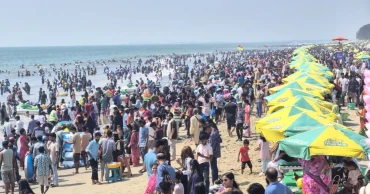
Cox’s Bazar has turned into a bustling hub of festivity as an overwhelming influx of tourists floods the country’s premier seaside destination during the Eid-ul-Fitr holidays.
With a week-long holiday drawing travellers from across the country, the beach town is witnessing an unprecedented surge in visitors.
According to local hotel owners, more than 500 hotels, motels and resorts are operating at full capacity, with most already booked in advance until March 30.
From families to groups of friends, thousands have chosen to spend their Eid break by the sea, creating a vibrant and festive atmosphere.
Key tourist spots including Kolatoli, Sugandha and Laboni beaches remain packed throughout the day, while popular attractions such as Inani Beach, Marine Drive, Himchhari, Ramu Buddhist Temple and Moheshkhali’s Adinath Temple are also teeming with visitors.
“The natural beauty of Cox’s Bazar always fascinates me. That’s why I came here to spend Eid,” said Abdul Mabud, a tourist from Narayanganj. “I plan to stay for two more days. It feels wonderful to be here.”
Tourism businesses rebound after Ramadan lull
The massive tourist turnout has breathed new life into the local tourism-dependent economy.
Businesses that remained subdued during Ramadan are now experiencing a revival particularly dried fish traders.
“Business was slow during Ramadan, but in the past two days, we’ve seen a large number of tourists,” said Mofizur Rahman, a dried fish seller at the Burmese Market.
“We are hopeful that sales will continue to improve in the coming days,” he said.
“Tourist pressure has increased significantly during Eid. Every hotel is fully occupied,” said Abul Kashem Sikder, president of the Cox’s Bazar Hotel Owners’ Association.
“We have instructed all establishments to ensure fair pricing and prevent any harassment of visitors,” he said.
Authorities tighten security amid huge crowds
Amid the surge, authorities have stepped up security measures across the district.
Personnel from the district administration, Tourist Police and other law enforcement agencies are maintaining round-the-clock vigilance to ensure the safety of visitors.
However, ensuring beach safety remains a challenge due to limited manpower.
“After a month and a half of low tourist flow, the beaches are now crowded again,” said Md Imtiaz Ahmed, a project officer of Sea Safe Lifeguard. “We are struggling to ensure safety for over a lakh of tourists with only 27 personnel. Still, we are doing our best.”
Tourist Police Sub-Inspector Sujan Chakraborty said security has been given top priority. “With the huge influx of visitors, our teams are on duty across beach areas, hotel zones and entertainment spots,” he said.
Deputy Commissioner Abdul Mannan assured that the administration is committed to ensuring a safe and enjoyable experience for all visitors.
“Tourists are guests in our city. We will continue to ensure their safety and provide necessary services,” he said.
Extended holidays fuel massive tourist turnout
As the holiday continues, Cox’s Bazar remains abuzz with life, reaffirming its status as the country’s most sought-after tourist destination.
Following an additional executive order, government employees enjoyed a seven-day holiday from March 17 to 23.
Tourists throng Bandarban even on third day of Eid holidays
Offices, courts, banks and other institutions reopened on March 24, with work continuing on March 25 before a public holiday on March 26 for Independence Day.
The weekend on March 27–28 will follow, with regular activities resuming on March 29. Those who have taken leave on March 24 and 25 are enjoying a 12-day break.
4 months ago

Sunflower cultivation gains ground in Khagrachhari hills
As spring breathes life into the hills of Khagrachhari, vast stretches of sloping land and crop fields are turning golden with blooming sunflowers, offering a striking visual spectacle and a promising economic opportunity for local farmers.
The bright yellow blossoms, standing tall under the soft spring sun, are not only adding colour to the hill landscape but also signalling a shift towards a potentially profitable crop.
With relatively low production costs and encouraging yields, sunflower cultivation is emerging as a viable alternative that could strengthen the economy of the district.
Bangladesh, known for its six distinct seasons, is now in the heart of spring—a time when nature rejuvenates itself with vibrant flowers and gentle breezes.
Amid this seasonal transformation, the hills of Khagrachhari are witnessing a quiet agricultural revolution led by sunflower farming.
Primarily an oilseed crop, sunflower is valued for producing high-quality edible oil, as well as for use in bird feed and ornamental purposes.
The plant’s unique characteristic of following the sun from east to west during the day adds to its appeal.
Each sunflower head is not a single flower but a cluster of over 2,000 tiny florets forming a large bloom.
According to the Department of Agricultural Extension (DAE) in Khagrachhari, sunflower cultivation has expanded to around 36 hectares across all nine upazilas this season, maintaining last year’s coverage.
Around 300 farmers have been supported with hybrid TSF-275 sunflower seeds and necessary fertilisers under government initiatives.
Matiranga, Dighinala and sadar upazilas have seen the highest concentration of cultivation.
In Sapmara area of Matiranga, farmer Keshor Ranjan Tripura said he cultivated sunflower on 40 decimals of land for the first time, following guidance from agricultural officials.
“I irrigated the field four times, and the total cost was around Tk 6,000. The yield looks promising—I expect about 10 maunds if everything goes well,” he said.
Another farmer, Anjana Tripura from Notun Para, shared a similar experience. She invested around Tk 10,000 per bigha and is hopeful of harvesting between 8 to 10 maunds.
“Seeing my success, neighbouring farmers are becoming interested in sunflower cultivation,” she said, adding that she plans to expand farming with further government support.
Golden Shift on Teesta: Sunflowers replace tobacco in Lalmonirhat’s char lands
Upazila Agriculture Extension Officer Md Selim Rana said farmers in the hill region are being trained and assisted to adopt sunflower as an alternative oilseed crop. “It has strong potential to meet local edible oil demand in the future,” he added.
Deputy Director of DAE in Khagrachhari, Nasir Uddin Chowdhury, said the climate and soil are well-suited for sunflower farming. “We are providing seeds, incentives and technical support. Farmers are responding positively, and the crop can play a significant role in boosting the rural economy while reducing dependence on imported edible oil,” he added.
4 months ago
Tourists throng Bandarban even on third day of Eid holidays
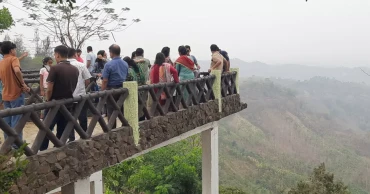
The hill district of Bandarban continues to draw large crowds of tourists even on the third day of Eid-ul-Fitr, as visitors flock to its scenic landscapes of green hills, waterfalls and clouds.
After remaining relatively quiet during Ramadan, tourist spots across the district have come alive with the footsteps of travellers, with hotels, motels and resorts reporting near-full occupancy following advance bookings.
Nature lovers from different parts of the country have poured into Bandarban, eager to experience its unique blend of hills, rivers, waterfalls and the cultural diversity of its 11 indigenous communities.
Popular tourist destinations including Meghla, Nilachal, Shailaprapat, Chimbuk, Nilgiri and Debotakhum are now bustling with visitors.
Many tourists expressed fascination at the breathtaking views of hills, rivers and mist-covered landscapes during the Eid holidays.
Roduan, a tourist from Dhaka visiting Nilachal, said Bandarban stands out for its natural beauty and cultural diversity. “The combination of hills, rivers, waterfalls and clouds is something you can only truly experience here,” he said.
Another visitor, Shirin Akter, who was travelling across different upazilas in the district, said the long Eid break allowed her to explore multiple destinations. “I had heard about Bandarban’s beauty but it’s beyond imagination when seen in person,” she added.
To ensure a safe and smooth tourism experience, local authorities have strengthened security measures across tourist spots and accommodation facilities.
Members of the Tourist Police have increased surveillance in key locations.
President of Bandarban Hotel and Resort Owners Association Md Sirajul Islam said most hotels and resorts in the district have been fully booked during the Eid period.
“We have coordinated with hotel owners to ensure that tourists do not face any inconvenience,” he said.
4 months ago

A touch of winter in Chaitra: Dense fog blankets Faridpur, Onion farmers worried
In a rare twist of weather in the middle of Chaitra, a wintry chill has swept Faridpur, with dense fog enveloping the district and worrying farmers particularly onion growers.
From early Sunday morning, a thick blanket of fog covered fields, roads and homesteads, creating an environment like more a winter dawn than the late dry season.
Even after sunrise, the sun remained obscured for hours as mist lingered, reducing visibility and slowing the rhythm of the morning.
A mild, cool breeze added to the unusual atmosphere giving many residents the sense that the seasons had momentarily lost their way.
Yet life in rural areas carried on.
Farmers were seen heading to the fields with their cattle, while households went about routine chores. Women members of farming families were busy parboiling paddy in courtyards, as they would on any other morning.
“It feels like winter has returned,” said Ashutosh Malo, a farmer from Bhimpur village in Boalmari upazila. “We don’t usually see such dense fog in Chaitra. It is uncomfortable to work in the fields, and I fear it may not be good for crops.”
His concern is shared by many, especially onion growers who are now at a crucial stage of cultivation.
Farmers worry that prolonged fog and excessive humidity could harm onion plants, increasing the risk of leaf rot and fungal infections, ultimately affecting yields.
According to the district weather office, the situation is linked to seasonal transition.
A slight drop in night-time temperatures combined with high humidity has led to the formation of dense fog in the early hours.
Abdus Samad, in-charge of district weather conservatory centre said such conditions may persist for the next few days and advised farmers to take precautionary measures, especially for sensitive crops like onions.
“Instead of the usual heat and harsh sun of Chaitra, this sudden chill has given nature a different look,” said Advocate Shahiduzzaman Liton, a nature enthusiast. “But it has also created fresh concern among farmers. Such abrupt changes are not a good sign.”
4 months ago
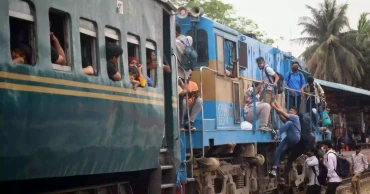
The rush subsides, but Eid journeys continue for some
As the festive calm of Eid-ul-Fitr settles over the capital, a different kind of movement has taken hold across Dhaka’s major transport hubs.
Thousands of homebound people—many of whom spent the final days of Ramadan and even Eid day itself working long hours—are now leaving the city, clutching modest earnings and Eid bonuses, hoping to reunite with families they could not join in time for the festival.
From the crowded platforms of Kamalapur Railway Station to the chaotic bus counters at Gabtoli, Kalyanpur and Shyamoli, the scenes reflect both relief and quiet exhaustion.
These travellers are not holidaymakers returning from celebration, but workers who sacrificed their Eid to secure extra income in a time of rising living costs.
At Shyamoli bus counter, 32-year-old worker Abdul Halim waited with a small travel bag and a packet of sweets for his children in Rangpur. He said he had worked double shifts in the week leading up to Eid and even stayed on duty the day before the festival to qualify for a bonus.
“I could have left earlier, but then I would miss the bonus,” he told UNB. “My children were upset, but I promised them I would come just after Eid. This money will help us for the next month.”
The bus counters in Shyamoli were busy with similar stories. Men and women, many visibly fatigued, queued for tickets or sat on luggage, waiting for delayed coaches. Transport workers said the post-Eid rush this year appeared more intense than usual, driven largely by those who stayed back to work until the last possible moment.
At Kalyanpur bus counter, rickshaw puller Shahid Mia, 45, said he earned nearly double his usual daily income in the last three days before Eid. “People were shopping, travelling, hiring rickshaws all the time,” he said. “If I left early, I would lose that chance. I prayed Eid in Dhaka and started working again the same day.”
Shahid is now heading to his village in Kurigram, carrying new clothes for his wife and grandchildren. “It is not the same as celebrating together,” he admitted. “But at least I can take something for them.”
Transport workers themselves were among those delaying their journeys home. Bus helpers, drivers and ticket sellers said they remained on duty throughout the holiday period due to high demand.
At Gabtoli bus terminal, one of the busiest in the capital, bus supervisor Mizanur Rahman said he had not had a proper break in over a week. “We worked day and night,” he said. “Even on Eid day, buses were running full. Now I am taking leave for two days to go home.”
The terminal was slightly crowded with passengers trying to board buses to northern districts. Many complained of long waits and limited availability of tickets, as transport services struggled to cope with the sudden surge.
Among them was domestic worker Rokeya Begum, who had spent Eid day cooking and cleaning in her employer’s home in Dhanmondi. She said she was allowed to leave only after completing her duties.
“I started work early in the morning on Eid day,” she said. “There were guests all day. I could not even call my family properly. Today I am going home with my salary and a small bonus.”
Her destination is Thakurgaon, where her two young daughters are waiting with relatives. “They wore their Eid dresses without me,” she said quietly. “Now I will go and celebrate with them, even if it is late.”
At Kamalapur Railway Station, the situation was equally intense. Trains departing for Rajshahi, Khulna and Chattogram were filled to capacity, with many passengers standing in aisles or sitting on the floor.
Railway officials said the post-Eid pressure is a familiar pattern but has grown more pronounced in recent years as more low-income workers delay travel to maximise earnings during the festive period.
Among the crowd was Mohammad Sohel, a food delivery rider who worked throughout Ramadan evenings and continued on Eid day. “Eid is actually one of the busiest days for us,” he said. “People order food for guests. I made good money, but I could not go home.”
Sohel is now travelling to Cumilla, carrying a new mobile set he bought for his younger brother. “This is my way of celebrating,” he said. “It is late, but still meaningful.”
Many small businessmen also stayed back in Dhaka to capitalise on last-minute Eid shopping. Nur Alam, who runs a fruit shop on footpath at Shyamoli cinema hall area, said he sold a considerable size of various types of fruits on Eid day also which gives him a good amount of profit.
“Sales were very good, so I decided to stay and sell. Now I am going home with more money than I expected.”
Economists say such behaviour reflects the economic pressures faced by low-income urban workers, who often prioritise income over social rituals.
“Eid is both a religious and economic event,” said a Dhaka-based labour analyst works for an international organisation. “For many marginal workers, the scope to earn extra income during this period is too important to miss. They delay their returning home, even if it means missing the core celebration.”
However, the delayed journey home comes with its own challenges. Extra pressure of passengers, higher fares in some cases, and physical exhaustion sometimes make the trip difficult.
At Gabtoli, several passengers alleged that some buses were charging above the standard fare, taking advantage of the demand. Although authorities said monitoring teams were active, enforcement remained uneven.
Despite the hardships, there was a sense of quiet determination among travellers. For many, the journey home—even after Eid—remains deeply significant.
Back at Shyamoli, Abdul Halim finally boarded a crowded bus after hours of waiting. As the vehicle slowly pulled away, he looked visibly relieved.
“Eid is not only one day,” he said with a faint smile. “When I reach home and sit with my family, that will be my Eid.”
Across Dhaka’s transport hubs, similar journeys were unfolding—stories of labour, sacrifice and delayed joy. While the city returns to its routine, these Working people carry with them the different kinds of Eid experience, shaped not by celebration, but by the need to earn, endure and eventually return home.
4 months ago
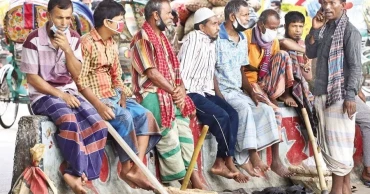
On society's margins, even Eid isn't always a day of joy and celebration
While millions across Bangladesh mark Eid-ul-Fitr with prayers, feasts and family reunions, the day unfolds very differently for thousands of day labourers, rickshaw pullers and transport workers in the capital.
For them, Eid is less about celebration and more about survival, as work obligations and economic necessity keep them tied to the city, far from loved ones waiting in distant villages.
From the early hours of the morning, when worshippers gather at mosques and open grounds for Eid prayers, many among the urban working class are already on the move.
Their day begins not with new clothes or festive meals, but with the familiar urgency of earning enough to sustain their families.
At Gabtoli, one of Dhaka’s busiest transport hubs, drivers, helpers and ticket sellers remain occupied even on Eid morning.
Long-distance buses continue to arrive and depart, carrying passengers returning to the capital after celebrating Eid in their village homes.
For transport workers, the holiday often means longer shifts rather than rest.
Abdul Jalil, a 42-year-old bus helper, said he had not been home to Kurigram for Eid in three years.
“If I go home, I lose income. My children are small. They expect new clothes and good food. I send money instead. That is my Eid,” he said, standing beside a coach preparing for departure.
Like Jalil, countless transport workers choose to stay back, ensuring the city’s wheels keep turning. Their work becomes even more crucial during Eid, when travel demand surges. Yet, this necessity comes at a personal cost — missing the warmth of family gatherings, the joy of children, and the peace of village life.
Across the city, rickshaw pullers form another group for whom Eid brings little respite.
With many residents travelling out of Dhaka, the streets may appear quieter, but those who remain still depend on rickshaws for movement.
For pullers, this creates an opportunity to earn slightly more than usual, prompting many to forgo visits home.
In Dhanmondi, 35-year-old rickshaw puller Shah Alam was seen waiting for passengers shortly after Eid prayers concluded.
Originally from Gaibandha, he said he had sent most of his earnings to his wife and two children.
“They bought clothes for Eid. I talked to them on the phone this morning. They were happy. That is enough for me,” he said with a faint smile.
However, his voice carried a sense of quiet resignation. “Of course I want to be there. But if I leave, who will earn? Eid comes every year, but expenses are every day.”
Day labourers, particularly those engaged in construction and informal work, face an even harsher reality.
With many worksites temporarily closed during Eid, their already irregular income becomes uncertain.
Some try to find alternative work, while others remain in the city in the hope of securing small jobs.
At Mohammadpur, a group of labourers gathered near a bazar, hoping to be hired for loading, unloading or other odd tasks.
Among them was 28-year-old Mizanur Rahman from Sunamganj. He said he could not afford the journey home this year.
“The bus fare has increased. If I go home, I will spend everything. Then how will I survive after Eid?” he asked.
Instead, he sent money to his parents and younger siblings. “They celebrated. I stayed here. It is painful, but this is life.”
The emotional toll of such separation is often overlooked. For many workers, Eid serves as a reminder of the distance between their aspirations and reality.
Phone calls and mobile money transfers have become substitutes for physical presence, but they cannot replace the experience of sharing meals or embracing loved ones.
Transport workers, in particular, describe Eid as one of the busiest and most demanding times of the year.
Drivers must remain alert for long hours, navigating crowded roads and tight schedules. Helpers manage passengers and luggage, often under stressful conditions.
At Sayedabad, truck driver Kamal Hossain said he had been on the road since the previous night.
Transporting goods is essential to keep markets supplied during Eid, he explained. “People need food, clothes, everything. If we stop, the system stops,” he said.
Yet, behind this sense of duty lies personal sacrifice. “My family is in Barishal. They had Eid without me. I will go after a few days, Inshallah,” he added.
In areas like Badda and Uttara, where a significant number of low-income workers reside in rented accommodations, Eid day often passes quietly.
With many house owners and employers away, these neighbourhoods take on a subdued atmosphere.
Small groups of workers gather to share simple meals, sometimes cooking together to recreate a sense of community.
For some, charitable distributions provide temporary relief.
Local residents and organisations distribute food, clothing and small amounts of money, offering a glimpse of the festive spirit.
However, such assistance remains limited compared to the scale of need.
Economists and labour rights advocates note that the situation reflects deeper structural challenges.
The informal sector, which employs a large portion of the urban workforce, lacks social protection, job security and paid leave.
As a result, workers must choose between income and personal well-being, even during major religious festivals.
“Eid highlights inequality in a very visible way,” said one labour activist. “For middle and upper-income groups, it is a time of joy and family. For many workers, it is a reminder of economic pressure and social discrimination.”
Despite these hardships, many workers express resilience and a sense of responsibility towards their families. Sending money home, ensuring children can celebrate, and maintaining a steady income remain their top priorities.
Back in Gabtoli, as the day progressed and buses continued to move in and out, Abdul Jalil paused briefly between trips. Asked what Eid meant to him, he reflected for a moment before replying, “Eid means happiness. But happiness is different for different people. For me, it is knowing my family is okay.”
As evening approaches and families across the country gather for festive meals, thousands of workers in Dhaka will continue their routines — pulling rickshaws, driving vehicles, or waiting for the next opportunity to earn.
Their Eid is quieter, marked not by celebration but by endurance. Yet, within that endurance lies a profound expression of care — a commitment to families far away, sustained through sacrifice, distance and the hope of better days ahead.
4 months ago

Khagrachhari gears up to welcome Eid tourists with fresh appeal, tight security
The scenic hill district of Khagrachhari is all set to welcome a surge of tourists during the upcoming Eid-ul-Fitr.
Authorities and businesses have completed extensive preparations to offer a smooth and enjoyable travel experience.
Known for its rolling hills, waterfalls and seasonal blooms, Khagrachhari is emerging as a preferred destination for holidaymakers seeking nature and tranquillity during Eid.
Officials say renovation work at most tourist spots has already been completed to enhance their appeal. The district, whose economy heavily depends on tourism, is expecting a strong turnout that will benefit hotels, restaurants, transport operators and local markets.
As the main gateway to Sajek Valley, one of the country’s most popular tourist destinations, Khagrachhari is also focusing on improving connectivity. Work is ongoing on the Khagrachhari–Dighinala road to ensure a smoother journey, while transport operators have readied extra vehicles for the expected rush.
Drivers on the route say most vehicles have been serviced ahead of Eid. “Minor issues have been fixed during Ramadan, and around 250 to 300 vehicles are expected to operate daily on the Sajek route during the holidays,” said local driver Md. Shimul, though he mentioned that fuel supply remains a concern.
4 months ago
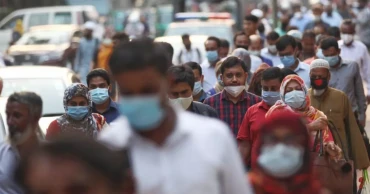
Eid without cheer: Dhaka’s low-income people struggle to cope with rising costs
As glittering shopping malls and crowded markets signal the arrival of Eid in the capital, a different reality unfolds in its narrow alleys where thousands of marginalised families are preparing for a festival stripped of joy.
In Mohammadpur’s Geneva Camp and nearby slums, the usual festive spirit is largely absent.
Instead, rising food prices, shrinking incomes and mounting debts dominate daily life.
“I have three children. They keep asking for new clothes, but I cannot even ensure regular meals,” said Rahima Begum, a domestic worker. “Eid now feels like any other difficult day.”
The situation is no different in Basila ,where many low-income families live in makeshift homes along the riverbank.
For day labourers and rickshaw pullers, incomes have fallen sharply while living costs continue to climb.
Md Hanif, a rickshaw puller, said his earnings have dropped from Tk 700–800 a day to barely Tk 400 on some days. “After paying rent and buying essentials, nothing is left. Eid is a luxury we cannot think of,” he said.
Many said they are cutting down on meals to cope. Meat - a staple of Eid celebrations - has become unaffordable.
“My children have not eaten beef for months,” said Shirin Akter, who lives near Basila Bridge. “They keep asking if we will have meat on Eid day. I have no answer.”
In Badda, another densely populated area of informal workers, the story remains the same.
Garment workers, cleaners and small vendors say wages have remained stagnant despite soaring expenses.
Rashid Mia, a construction helper, said he has struggled to find regular work in recent weeks. “Some days I sit idle from morning to evening. Eid is near, but I have no savings. It is painful when my children ask for things I cannot provide,” he said.
Women in these communities are bearing the heaviest burden often sacrificing their own meals to ensure their families can eat.
“Everything is expensive - rice, oil, vegetables,” said Nasima Khatun, a part-time cleaner. “I skip meals so my children can eat. For Eid, I only wish they can have a decent meal.”
Even in Uttara, considered one of Dhaka’s more affluent areas, pockets of hardship persist among low-paid workers living in informal housing clusters.
Abdul Karim, a security guard, said his salary has remained unchanged for years. “My employer gives a small bonus, but it is not enough. Prices have doubled. Eid now brings stress instead of happiness,” he said.
Many in these communities rely on informal loans to manage Eid expenses, often trapping them in cycles of debt.
“I borrowed money last Eid and I am still repaying it,” said Salma Begum, a housemaid. “This year, I may have to borrow again just to buy clothes for my children.”
“We depend on donations, but there is no guarantee,” said Hanif. “Some years we get help, some years we don’t.”
Bangladesh’s point-to-point inflation increased to 9.13 percent in February from 8.58 percent in January, driven by a notable rise in food prices, according to the latest figures from the Bangladesh Bureau of Statistics (BBS).
Food inflation jumped to 9.30 percent in February, up from 8.29 percent the previous month. Non-food inflation also edged up slightly, reaching 9.01 percent compared to 8.81 percent in January.
Price pressures remained more intense in rural areas than in urban centres, largely due to higher food costs outside major cities.
The 12-month moving average inflation for the period from March 2025 to February 2026 was recorded at 8.65 percent, a decline from 10.31 percent during the corresponding period a year earlier, indicating some easing of overall inflation compared to last year.
However, wage growth continued to fall behind inflation, raising concerns over shrinking purchasing power among workers.
As the call for Eid prayers approaches, the contrast between abundance and deprivation across the capital becomes stark — a reminder that for many, Eid is no longer a celebration of joy, but a test of resilience.
4 months ago
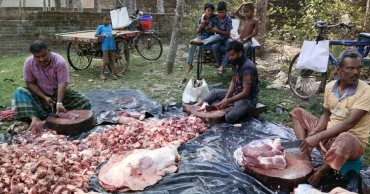
Saving for a feast: ‘Meat cooperatives’ bring Eid joy to low-income families in Kushtia
For many low-income families in Kumarkhali upazila of Kushtia buying beef at market prices remains a distant dream.
But a grassroots initiative — locally known as ‘ Meat Cooperatives’ is steadily changing that reality, helping hundreds enjoy meat during Eid.
“We are poor people. We earn daily and spend daily. With current market prices, buying meat is nearly impossible,” said 55-year-old day labourer Md Roich Uddin from Jotmora village in Jaduboyra union.
With a smile, he added, “I saved Tk 50 every week in the cooperative. With the savings of a whole year, I got around four kilograms of meat. This Eid, I will enjoy it with my family.”
He said the price per kilogram of meat through the cooperative stood at around Tk 650, significantly lower than the market rate.
The initiative, which has been gaining popularity in recent years, involves groups of 20 to 30 members who contribute small amounts weekly — typically Tk 50 or Tk 100 — throughout the year.
The accumulated funds are then used to purchase cattle ahead of Eid or to buy meat directly from butchers, which is later distributed among members.
Amirul Islam, an easy-bike driver from the same village, said, “Beef now costs Tk 750 to Tk 800 per kilogram in the market. After meeting household expenses, many cannot afford it. So, we formed a cooperative of 30 members. Some contributed Tk 50 weekly, others Tk 100. In the end, some received four kilograms, others up to eight.”
Local people said rising meat prices in recent years have pushed it beyond the reach of low and lower-middle-income families, making such cooperatives an effective alternative to meet protein needs especially during Eid.
A visit to several areas including Jaduboyra, Panti, Bagulat, Chapra, Nandalalpur, and parts of the municipality on Thursday morning revealed a festive yet busy scene.
Some were cutting meat, others were weighing portions, while many waited eagerly to receive their parts..
CNG driver Gafur Sheikh, 45, from Ward No. 9 of Kumarkhali municipality, said, “I earn around Tk 600 a day. It’s not possible to buy meat at Tk 750 per kg. So I saved Tk 500 per month in the cooperative. This year, I received nearly nine kilograms of meat, which we can store and consume over months.”
In Tebaria village alone, there are at least three such cooperatives.
One of them, led by Shahidul Islam, 68, has been operating for six years and now has around 150 members.
“Each member contributed Tk 400 per month. This year, we collected about Tk 7.2 lakh and bought six bulls,” he said, adding that the total meat yield could reach around 30 maunds.
“Members get meat at Tk 70 to Tk 100 less per kilogram than the market price,” he added.
Upazila Livestock Officer Md Alamgir Hossain said field visits showed two to three cattle being slaughtered in each village under such initiatives.
“In nearly 200 villages in the upazila, more than 600 cattle have been sacrificed under these cooperatives, with an estimated market value exceeding Tk 6 to 7 crore,” he said. The average cost per kilogram of meat in these schemes ranges between Tk 665 and Tk 670.
Upazila Nirbahi Officer Farzana Akhter said it promotes a culture of savings and reduces pressure on the market.
“If such collective efforts grow, it can help stabilise meat prices and ensure affordability. More such cooperatives should be encouraged,” she said.
4 months ago