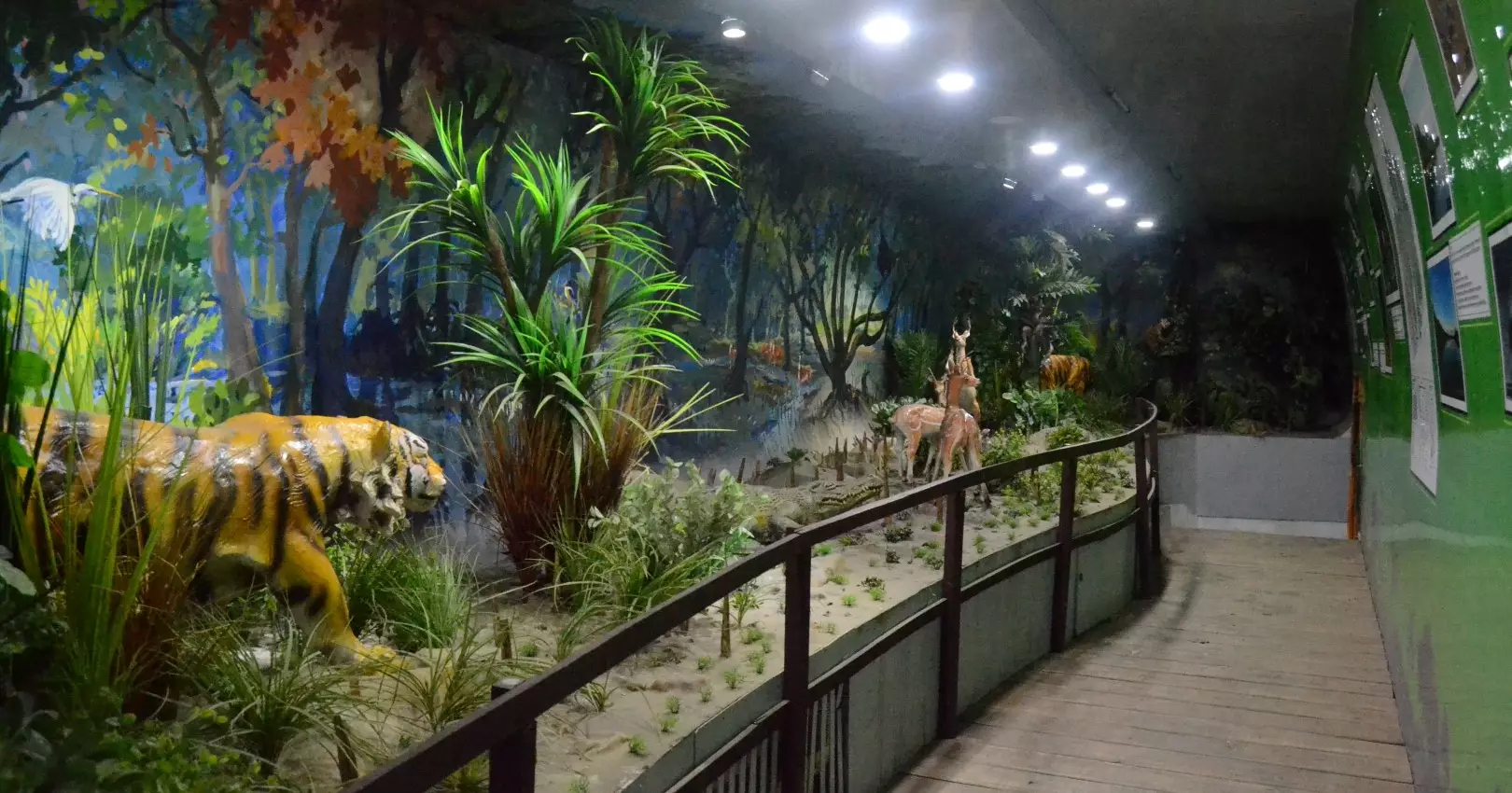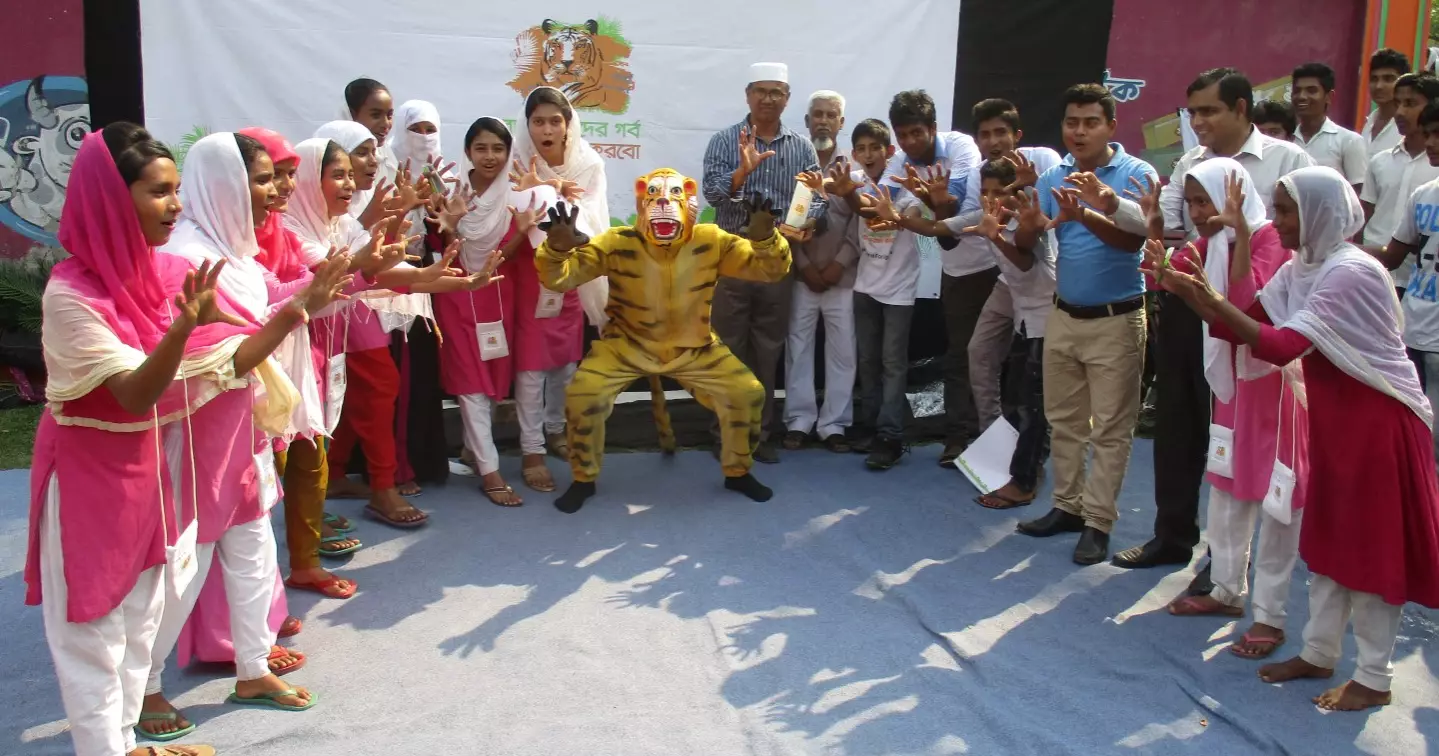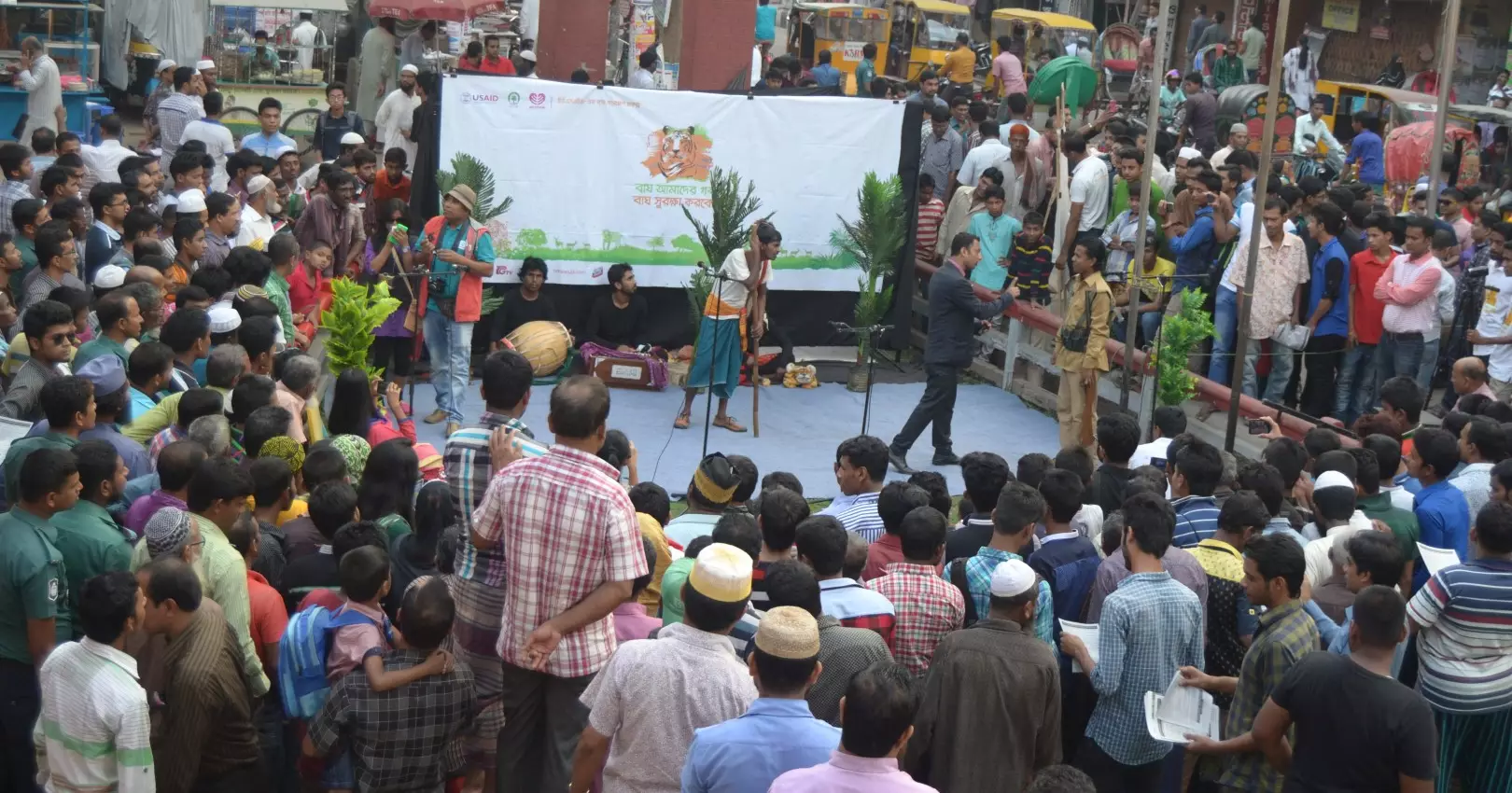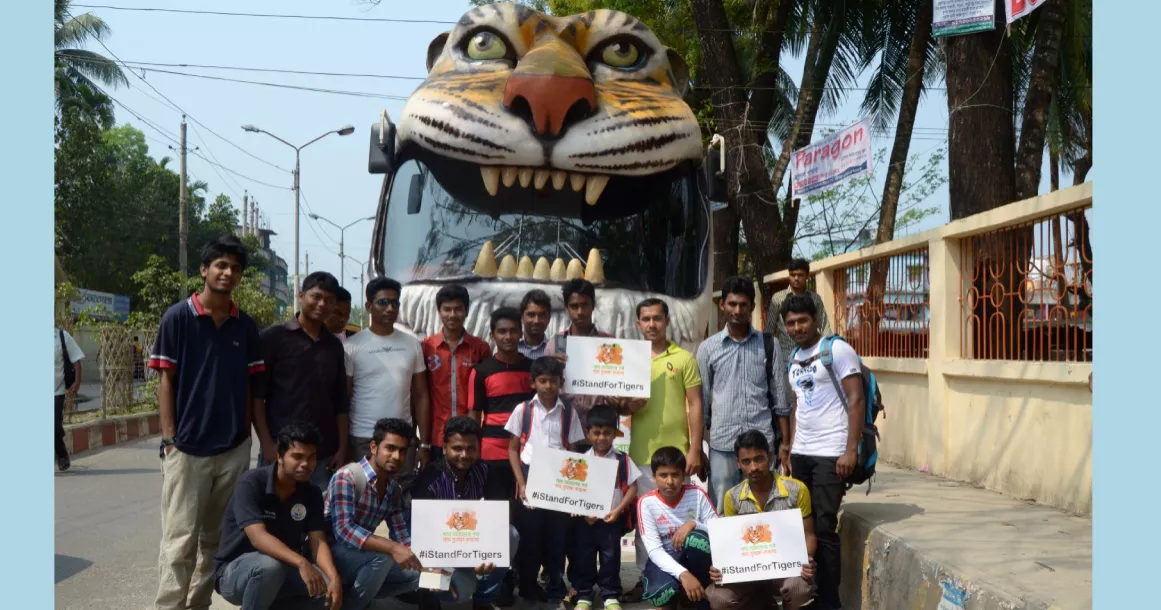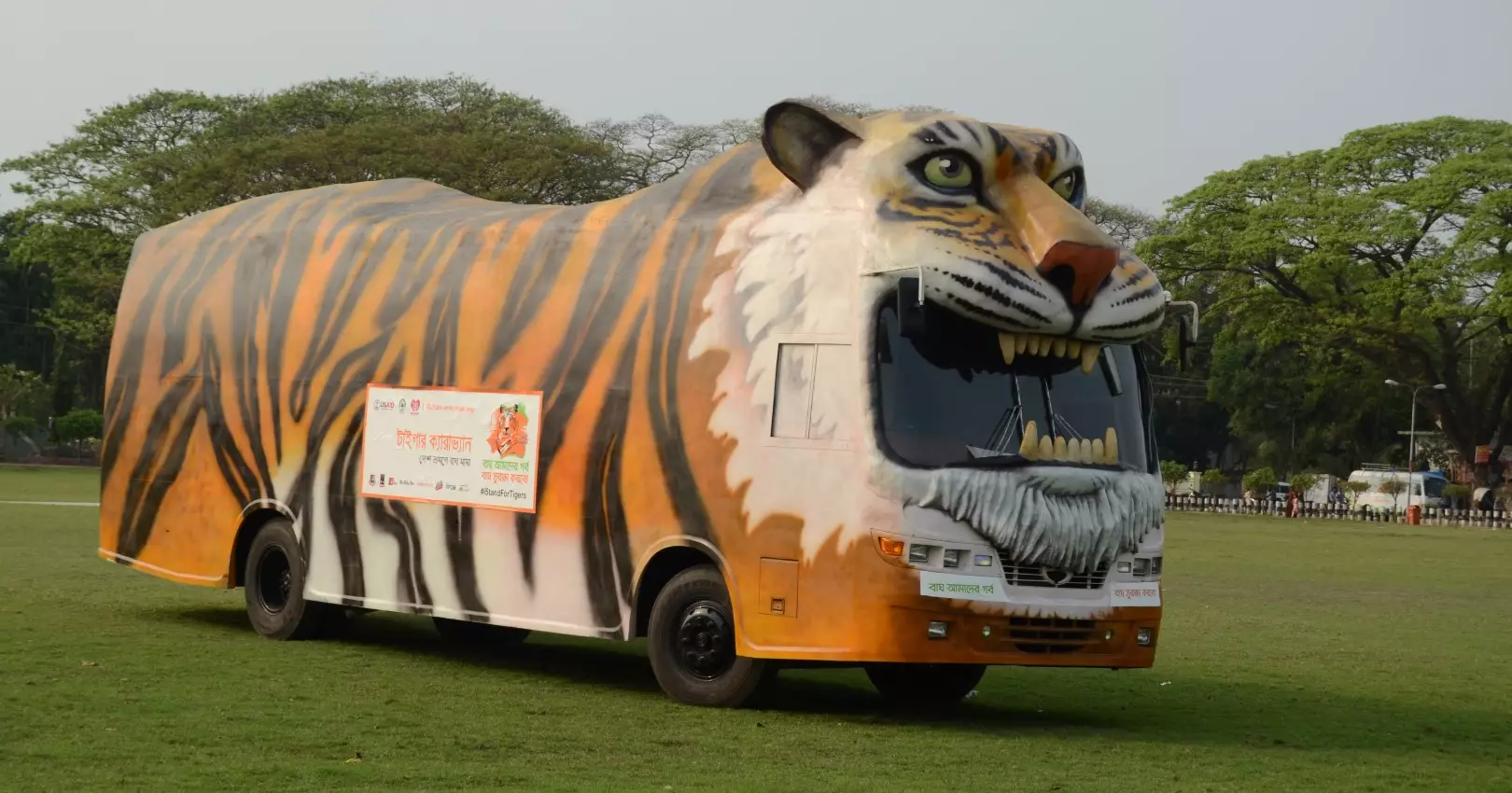
In early 2016, a brightly painted 40-foot bus rolled out of Dhaka, carrying not commuters but a mission. Its design caught eyes immediately: shaped like a tiger, roaring in orange and black, it was a moving museum and a traveling classroom. Its purpose was urgent and ambitious to bring the Sundarbans and its tigers into the heart of Bangladesh, reminding us all that the Bengal tiger, our national pride, was under threat. This was the TigerCaravan, and it became one of the most innovative tools ever used to spread messages of biodiversity conservation in the country.
The caravan was not an isolated effort. It originated from the Bengal Tiger Conservation Activity (Bagh), a flagship environmental project funded by the U.S. Agency for International Development (USAID). Under the leadership of the Bangladesh Forest Department, the project was implemented by WildTeam, a national NGO focused on enhancing the conservation status of key species and habitats in Bangladesh. Together, this coalition envisioned a campaign that aimed to go beyond reports and policies, to reach people directly in their streets, schools, and marketplaces.