Middle-East
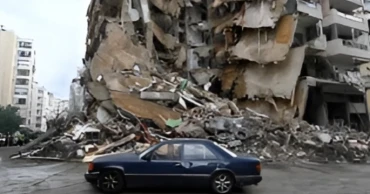
Israeli military says it strikes over 100 targets in Lebanon overnight
The Israeli military has claimed that it conducted overnight strikes on more than 100 targets across Lebanon, including the Bekaa Valley and several areas in southern Lebanon.
In a statement, the military said the attacks hit weapons depots, observation posts and command centres allegedly used by Hezbollah.
It further confirmed that a series of strikes were also carried out in the Mashghara area.
Meanwhile, Lebanon’s National News Agency reported that at least 12 people were killed in the Mashghara strikes, media says.
The Israeli military did not immediately provide details on casualties or damage, but said the operations were part of its ongoing actions against Hezbollah positions in Lebanon.
Source: Al Jazeera
2 months ago
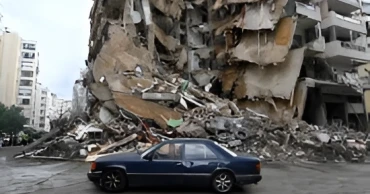
Israeli minister calls for destruction of 10 Beirut buildings for each Hezbollah drone
Israel’s far-right Finance Minister Bezalel Smotrich has called for the destruction of 10 buildings in Beirut for every explosive drone launched by Hezbollah, saying Israel must “put an end to the threat of Hezbollah’s explosive drones.”
Smotrich noted that a special budget of around 2 billion shekels (about $692 million) was approved earlier this week for developing technological solutions to counter the drone threat.
Lapid calls emerging US-Iran deal ‘bad for region’
Referring to the killing of an Israeli soldier in a Hezbollah drone strike in southern Lebanon, the Religious Zionist Party leader said, “For every explosive drone, 10 buildings must fall in Beirut. The response to a significant threat must be significant.”
He further said, “You don’t counter a strategic threat with shielding alone, but by changing the rules and the equation. We cannot shield ourselves forever. Only exacting a deterrent and disproportionate price from the enemy will reshape the equation against our foes on all fronts,” in a post on X.
With inputs from Al Jazeera
2 months ago
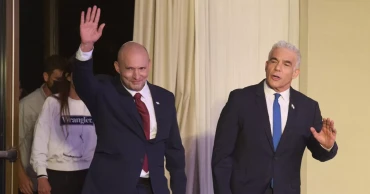
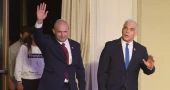
Lapid calls emerging US-Iran deal ‘bad for region’
Israeli opposition leader Yair Lapid on Monday criticised the emerging US-Iran deal, calling it “bad for Israel, bad for the region, bad for the citizens of Iran” and accusing Prime Minister Benjamin Netanyahu of failing to influence Washington on the negotiations.
Lapid said the proposed agreement does not meet Israel’s objectives in the war launched by Israel and the United States on February 28. The two allies had vowed to dismantle Iran’s ballistic missile programme, curb its support for regional proxy groups and prevent Tehran from developing a nuclear bomb.
Emerging US-Iran deal may end war, reopen Strait of Hormuz
According to regional officials, the deal under discussion would require Iran to surrender its stockpile of highly enriched uranium and reopen the Strait of Hormuz in exchange for ending a US blockade on Iranian ports and lifting sanctions. Key issues regarding Iran’s nuclear programme would be negotiated during a 60-day period.
While expressing gratitude to US President Donald Trump for backing Israel in the war, Lapid said Netanyahu had little influence over the negotiations.
Lapid, head of the centrist Yesh Atid party, has allied again with former Prime Minister Naftali Bennett ahead of elections due by October. He also ruled out forming a coalition with Arab parties and said a two-state solution with the Palestinians was unlikely in the coming years following the October 7 Hamas attacks and subsequent wars.
2 months ago
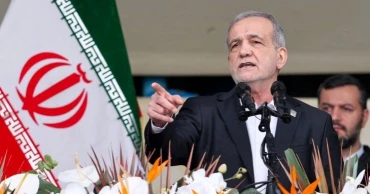
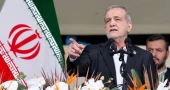
Iran not seeking nuclear weapons, says Pezeshkian
Iranian President Masoud Pezeshkian has said Tehran is not seeking to develop nuclear weapons as negotiations between Iran and the United States over Tehran’s nuclear programme continue.
“We are ready to reassure the world that we are not seeking nuclear weapons,” Pezeshkian said, according to local media.
However, the Iranian president stressed that the country’s negotiating team would not make any compromise on Iran’s “honour and dignity” during the ongoing talks.
Possible US-Iran deal takes shape as Trump claims progress in talks
Meanwhile, the Iranian army said it had shot down an Israeli surveillance drone in Hormozgan province.
According to media, the wreckage of a destroyed Orbiter drone was recovered with the assistance of Iranian naval forces.
There was no immediate comment from Israel on the incident.
With inputs from Al Jazeera
2 months ago
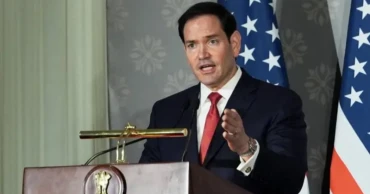
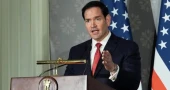
Rubio says ‘significant progress’ made in Iran talks, key issues remain unresolved
US Secretary of State Marco Rubio has said “significant progress” has been achieved in negotiations with Iran, although important issues still need to be resolved.
Rubio’s remarks came a day after US President Donald Trump said an agreement with Iran had been “largely negotiated,” including plans to reopen the strategic Strait of Hormuz shipping route.
In a post on his Truth Social platform, Trump said the “final aspects and details of the deal” were still under discussion and would be announced soon.
However, Iran’s Foreign Ministry spokesperson Esmail Baghaei cautioned that recent convergence between Tehran and Washington does not necessarily mean the two sides have reached agreements on major issues.
According to reports, Iran and the United States had initially agreed to a two-week ceasefire, which was later extended to allow more time for peace negotiations.
The latest comments reflect cautious optimism surrounding the talks, despite continuing disagreements over key matters between the two countries.
Source: BBC
2 months ago
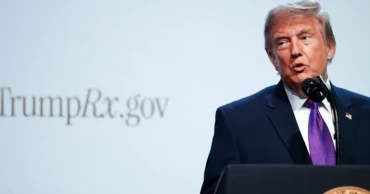
Trump says Iran agreement largely negotiated, final details under discussion
US President Donald Trump has said a Memorandum of Understanding aimed at ending the US-Israel war with Iran has been “largely negotiated,” with only final details remaining to be resolved.
Speaking on Saturday, Trump said the proposed agreement would include reopening the Strait of Hormuz, though it remains subject to final approval by US and Iranian negotiators as well as several other countries involved in the mediation efforts.
The announcement came after Trump held a series of calls with leaders and officials from Qatar, Saudi Arabia, United Arab Emirates, Pakistan, Jordan, Egypt, Turkiye and Bahrain. He also spoke separately with Israeli Prime Minister Benjamin Netanyahu.
“Final aspects and details of the deal are currently being discussed, and will be announced shortly,” Trump wrote on his Truth Social platform.
Pakistan Prime Minister Shehbaz Sharif said Islamabad would continue efforts to facilitate dialogue between Washington and Tehran and expressed hope that Pakistan could host future US-Iran talks soon.
Turkish President Recep Tayyip Erdogan welcomed the reported progress, saying any agreement would help restore free navigation through the Strait of Hormuz.
In a separate statement, Egypt’s presidency urged all sides to take advantage of the diplomatic momentum and reach a settlement.
The latest development follows a week of mixed signals from Trump, who earlier warned Iran that time was running out for a permanent ceasefire agreement. He later said he had been close to resuming attacks but paused military action following requests from Gulf countries.
Trump has alternated between warning of escalation and expressing optimism about a deal. On Saturday, he also posted an image of Iran covered with a US flag on social media.
The statement came shortly after Pakistan’s army chief, Asim Munir, concluded what Pakistan’s military described as a “highly productive” visit to Iran, during which “encouraging progress” was reportedly made toward a final understanding.
Iranian officials, however, have repeatedly expressed caution over negotiations with Washington, citing previous US military strikes on Iran during talks related to Tehran’s nuclear programme.
The US and Israel launched the latest conflict on February 28. Although major fighting has largely remained paused since April 8, sporadic flare-ups have continued.
The US has maintained restrictions on Iranian ports, while Iran has effectively kept the Strait of Hormuz closed.
Major unresolved issues reportedly include the future of Iran’s nuclear programme, Tehran’s influence over the strategic waterway, the future US military presence in the region and access to frozen Iranian assets.
Source: Al Jazeera
2 months ago
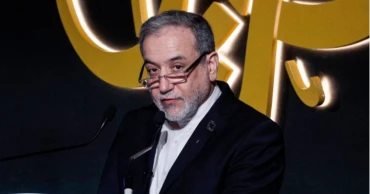
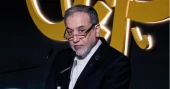
Iran says support for Hezbollah will continue
Iranian Foreign Minister Abbas Araghchi has reaffirmed Tehran’s continued backing for Hezbollah, saying Iran “will never stop supporting” the group’s “freedom-seeking” efforts in Lebanon.
He said that since the beginning of Pakistan-led mediation efforts, Tehran had stressed that any agreement must be tied to the establishment of a ceasefire in Lebanon.
According to Araghchi, the condition was included in Iran’s latest proposal and would remain part of its position going forward.
Earlier, Hezbollah said its chief Naim Qassem had received a message from the Iranian foreign minister outlining Tehran’s stance on the issue.
With inputs from Al Jazeera.
2 months ago
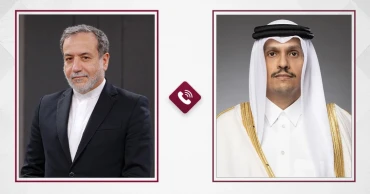
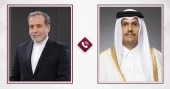
Qatar, Jordan Stress Support for Mediation to End US-Iran Crisis
Qatar has reiterated its support for diplomatic efforts aimed at easing tensions between the United States and Iran, while warning against any move to disrupt navigation through the Strait of Hormuz.
According to a statement from Qatar’s Ministry of Foreign Affairs, Prime Minister and Foreign Minister Sheikh Mohammed bin Abdulrahman bin Jassim Al Thani held a phone conversation with Iranian Foreign Minister Abbas Araghchi, during which he expressed Doha’s full backing for ongoing mediation efforts to secure a comprehensive agreement to end the crisis.
The Qatari foreign minister stressed the importance of all parties responding positively to mediation initiatives to help ensure lasting peace and stability in the region.
He also warned that closing the Strait of Hormuz or using it as leverage in negotiations would worsen the crisis and threaten the vital interests of regional countries. Freedom of navigation, he said, remains “a fundamental and non-negotiable principle.”
The minister further urged all sides to abide by international law and uphold the principles of good neighbourliness while prioritising regional stability and the welfare of their people.
Meanwhile, Jordanian Foreign Minister Ayman Safadi also discussed regional mediation efforts with Sheikh Mohammed in a separate phone call, according to Jordan’s Foreign Ministry.
The two ministers reviewed Pakistan-mediated efforts between Washington and Tehran and underscored the need for coordinated international action to ensure the success of the mediation and prevent further escalation.
They also stressed the importance of reaching a sustainable solution that addresses the root causes of the crisis.
Sourec: Al Jazeera
2 months ago
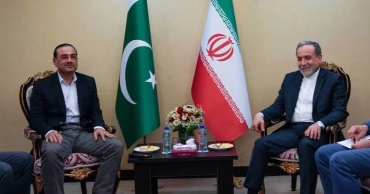
Tehran says diplomacy continues but no deal yet with US
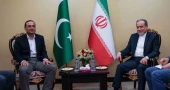
Pakistan’s army chief Field Marshal Asim Munir visited Tehran on Friday and held talks with Iranian Foreign Minister Abbas Araghchi on ongoing diplomatic efforts aimed at preventing further escalation and ending the conflict involving Iran, the United States and Israel.
According to Iranian state media, the discussions focused on recent diplomatic initiatives to ease tensions and stop what Tehran described as a war “imposed” on Iran by Washington and Tel Aviv.
Iran’s Foreign Ministry spokesman was quoted as saying that differences between Tehran and Washington in mediated negotiations remain “deep and significant.”
Meanwhile, Iranian Defence Ministry spokesman Reza Talaei-Nik said the United States would face further setbacks if it failed to recognise what he described as Iran’s legitimate rights.
Speaking to the Tasnim news agency, Talaei-Nik said, “The only way out of the third imposed war for the American-Zionist enemy, on both the battlefield and in diplomacy, is to secure the demands of the Iranian people.”
He also said US President Donald Trump should accept Iran’s proposals to avoid further losses and costs for both the American people and the wider international community.
Source: AL Jazeera
2 months ago
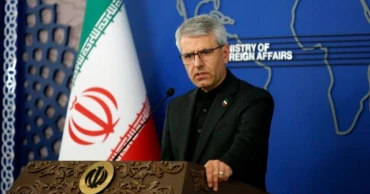
Iran says peace talks with US reach ‘turning point’
Iran has described the ongoing peace negotiations with the United States as having reached a “turning point” amid intensified diplomatic efforts in Tehran.
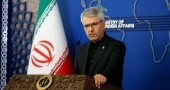
Speaking to reporters, Iranian Foreign Ministry spokesman Esmaeil Baghaei said the current diplomatic process, along with the presence of senior Pakistani officials in Tehran, indicates that the situation has entered a decisive phase.
“The current process and the presence of senior Pakistani officials in Tehran means that we have reached a turning point or a decisive situation,” Baghaei said.
G7 calls for reopening of Strait of Hormuz
He also explained why Tehran has refrained from publicly discussing details related to nuclear negotiations.
Reaffirming Iran’s position on its nuclear programme, Baghaei said the country remains committed to its rights under the Treaty on the Non-Proliferation of Nuclear Weapons (NPT).
“Regarding nuclear issues, the matter is very clear – we are a member of the NPT and we have the right to use nuclear energy for peaceful purposes,” he added.
With inputs from Al Jazeera
2 months ago