health-fitness

How to Leave a Habit or Forget a Person Within a Month
Whether it’s a bad habit or the memory of something or somebody, letting go is always hard. However, with the right plan, strong determination and emotional discipline, you can make a change in a short period, like three to four weeks. If guided with definite purpose and a proper mindset, a human mind can be adaptive. Even though the attachment is deep or the habit is stubborn, it will start to lose its grip. Here’s how you can get rid of a habit or forget an individual within 21 to 30 days.
Tips for Leaving a Habit or Forgetting a Person within a Month
.
Recognising Attachment
Attachment is the common link, whether you have formed a habit over a certain period or allowed a person to play a pivotal role in your life. Usually, such attachments tend to fill a psychological or emotional void, like identity crisis, aspiration for validation, stress relief, loneliness, etc. Once you have found out the habit or person’s contribution in your life, you have reached the first step of letting go. Understanding the attachment’s underlying need, like convenience, habit, routine, security, connection, etc., you can start overpowering it. Now you can utilise this awareness to replace the habit or person with something healthier or someone better.
Read more: How to Recognise Your Emotional Red Flags
Disrupting Pattern
Habits and emotional connections often follow a pattern. For instance, a smoker often tends to light a cigarette after having a meal; you check social media after waking up. Each habit is formed over a neural pathway. To break this, one should disrupt the routine or ambience which helps the attachment to thrive. Cognitive distance can be created by reordering the schedule, altering surroundings, or opting for a different route. New attachments can help your brain to leave a regular behaviour. It can be done by bringing tiny but consistent changes. Though you may not be able to forget someone or doing something overnight, it will weaken the urge or inclination over time.
Out of Sight Out of Mind
When one is trying to quit a habit like sugar consumption, one should not store cakes in the refrigerator. Avoiding the purchase and storage of the sugary foods will help one to break the cravings. Rather than testing one’s willpower, the out-of-sight trick will take the sugary food out of mind. What’s more, it's the first step to drop an unhealthy habit. Instead of making the ambience painful, make it your ally to change a habit.
The same applies to mental attachments. Emotional detachment requires space. When one tries to forget a person, one should remove the reminding triggers like exchanged gifts, shared music playlists, couple photos, social media connections, etc. This step does not make one selfish or in denial; rather, it creates space for disconnection.
Read more: How to Improve Focus by Training the ‘Attention Muscle’
Relearn to Unlearn Faster
The process of relearning makes it fast to unlearn. The human brain acts like a vacuum, which needs something to focus on. Whether one is trying to leave a habit or forget a person, one should find a more interesting replacement. For instance, to avoid a sedentary lifestyle habit, one can opt for a new routine that includes mindfulness and learning, like going to the gym, learning new workouts, adopting fitness routines, etc.
Grabbing a new sustainable habit or adopting a healthier lifestyle fills the emotional vacuum. This mental space gives one a sense of personal development, improvement, and success. Thus, one can bit by bit learn to thrive without the habit or person one had an attachment with.
Know the Hurdle
The first two-week period is usually the hardest while you are trying to let go of a habit or a person. Your brain will react, whether you are avoiding nicotine or missing someone's phone or messages. You may experience anxiety, sadness, stress, cravings, chest pain or other physical symptoms. This is biology, not failure. You have to accept this pain and discomfort as a part of the process. To overcome this period, one can talk to an empathetic friend or maintain a journal. By tracking one’s mental status, failures, and victories, one can create self-awareness and emotional detachment from the habit or person one wishes to remove from one’s life. Besides this, to ease your journey, remember why you want to do this by writing it on a paper and repeating it like a resolution.
Read more: Good Stress: What Are the Benefits of Eustress?
Make a Commitment
You may pick a three-week or four-week window to reach your goal. Though this short period may not remove a habit or erase all feelings, it is a strong foundation. Research suggests that a consistent effort can help one overcome the emotional or physical pull towards something or somebody. Counting each day and setting daily intentions can keep your determination strong. For example, one can divide the time window into days instead of seeing it as a fixed period of time. By reaching tiny and attainable goals every day, one can make the struggle less stressful. Thus, success can be achieved through piecemeal victories.
Visualise Your Future
When one understands that letting go means regaining control over oneself rather than losing something precious. When one aims to drop a habit that is unhealthy or forget a person who no longer complies with one’s well-being, one is protecting one’s future self. Visualising the independent, focused, and progressive version of yourself, your hardship aligns with healing instead of longing.
Conclusion
The process of letting go is incremental; it doesn’t act like a switch. The idea of getting rid of a habit or forgetting someone completely in three or four weeks may sound ambitious. To be honest, some emotional urges may exist beyond the 30-day period. But a four-week time window is quite reasonable to start, to weaken the hold, and to regain one's emotional control. Thus, you allow life to continue in healthier, better, freer and more peaceful ways than before. The process wants you to be patient, disciplined, and self-compassionate. On the whole, when you are fully determined to drop a habit or forget a person in 21 days or 30 days, you will discover the attachment is fading away gradually.
Read more: 15 Japanese Concepts for Personal and Professional Development
10 months ago

Deadly Brain-eating Amoeba: How It Spreads, Causes, Symptoms, and Treatment
The troubling surge of the free-living microbe infamously called the brain-eating amoeba is casting a shadow of deadly threat across Kerala in India. Once spotted mainly in a few districts such as Kozhikode and Malappuram, infections are now surfacing more widely. The organism heightens concern among doctors and health officials. Its characteristics, equal parts scientific fact and public dread, stem from the severe infection it can trigger once it reaches the brain. Let’s take a closer look at how this elusive brain-eating amoeba spreads and outline the key causes, symptoms, and treatments.
What is Brain-eating Amoeba: How It Spreads
A rare but devastating brain infection, Primary Amoebic Meningoencephalitis (PAM), is caused by ‘Naegleria fowleri’ – a tiny organism more chillingly nicknamed the ‘brain-eating amoeba’. Though infrequent, it strikes with alarming severity, targeting the central nervous system and rapidly destroying delicate brain tissue. Victims often experience sudden swelling of the brain, and in most cases, the illness proves fatal.
This amoeba thrives in warm, stagnant freshwater such as ponds, lakes, or poorly maintained pools. It typically invades the body through the nose, passing along the olfactory nerves and through the cribriform plate before advancing toward the brain tissue. Importantly, swallowing contaminated water does not lead to illness. Those swimming, diving, or bathing in untreated water are most at risk – yet the infection cannot spread between people.
Read more: First Aid Tips for Snake Bite: On-field Do’s and Don’ts for Emergency Response
The Alarming Prevalence
So far this year, more than 70 people have fallen ill, with 61 confirmed cases of PAM and 19 deaths recorded in Kerala – several of them in just the past few weeks. The age range of patients has been strikingly broad, from a tiny three-month-old infant to a man in his nineties.
In late August, a three-month-old baby and a 52-year-old woman in Kozhikode succumbed to the infection, only weeks after a nine-year-old girl’s death earlier that month. State hospitals continue to treat several active cases, stretching from small children to older adults.
Root Causes of the Infection
Rising global temperatures are quietly shaping the conditions in which ‘Naegleria fowleri’ thrives. As climate change warms lakes, ponds, and other freshwater bodies, the amoeba gains a wider window to multiply. The sweltering heat also drives more people to seek relief in natural water sources, unwittingly increasing the likelihood of contact.
Read more: How to Stay Safe from Devil's Breath
Moreover, PAM is far more common during hot months, particularly when people swim, dive, or bath in warm, often stagnant freshwater.
10 months ago

Planning to retire and relocate? Consider a comprehensive strategy
Debra Taylor has had quite an eventful year, managing a divorce, preparing for retirement, and relocating from Southern California to Portugal with one of her daughters.
After deciding to live abroad, Taylor shortlisted potential countries based on tax implications (Spain was rejected due to wealth taxes), climate (Costa Rica was too hot), and ease of travel within Europe, a region she adores. She toured Portugal with Expatsi, a relocation service, and chose to settle in Aveiro—a picturesque west coast city known as the "Venice of Portugal" because of its charming canals.
From there, the process turned logistical. Taylor secured a one-year lease (required to proceed), engaged Viv Europe to handle paperwork and government procedures, completed an FBI background check, and scheduled a visa appointment for late September.
Her youngest daughter inspired the move. “After our current president was elected, my 18-year-old transgender daughter told me she wanted to leave the country ASAP,” Taylor shared. “I was completely on board.”
Her elder daughter, 20, will remain in the U.S. to finish college. Taylor emphasized that this move isn’t permanent: “I’ll use it as a base to explore the region more deeply. I plan to buy a home eventually, but only after spending more time living in various communities.”
Experts on aging and relocation say Taylor is making wise choices.
Retirement relocation trends
Relocation rates among retirees vary due to factors like politics, housing affordability, and living costs. Though seniors move less frequently than younger people, over 3 million Americans aged 65+ relocated within the U.S. in the five years before the pandemic, per Census data.
Students face arrests and office calls over AI surveillance false alarms
Among those moving abroad, U.S. politics now tops the list of motivations, according to Expatsi co-founder Jen Barnett. However, many popular retirement destinations prefer working-age immigrants over retirees.
Most American retirees stay put, but aging in place presents challenges such as rising housing costs, expensive home modifications, and limited community services like healthcare, utilities, and safety. AARP’s Rodney Harrell stresses the importance of planning for future needs, including health, mobility, and income changes.
By 2034, the U.S. will have more people over 65 than under 18, marking a demographic milestone.
More than just climate and family
Choosing a retirement spot involves more than weather or proximity to grandchildren. Consider lifestyle priorities like access to universities, religious institutions, and community engagement. Harrell advises weighing social dynamics—whether neighbors are friendly or private—and using resources like the AARP livability index.
If being near family matters, retirement planner Elizabeth Zelinka Parsons recommends clear communication about involvement expectations and checking how settled adult children are before moving.
Casey and Dave Bowers, who relocated to Portugal’s Silver Coast, appreciate the area but find being far from family difficult despite the beauty and routine adjustments.
Retirement coach Sarah Friedell O’Connell reminds retirees to think about how they want to spend newfound free time.
Assess your lifestyle carefully
Wealth manager Chad Harmer advises retirees to begin with a "lifestyle audit," envisioning their ideal daily routine years ahead, including climate, social life, hobbies, healthcare, and family visits, before focusing on taxes.
He warns to budget for hidden expenses like insurance in disaster-prone zones and frequent travel costs. Parsons encourages trying short-term rentals to test living conditions before committing to a permanent move.
Harmer’s guideline: If 80% of your desired daily lifestyle is achievable at your new location for 80% of the year, you’ve likely found the right place. Less than that might mean chasing unrealistic expectations.
Source: Agency
11 months ago

Blood sugar monitoring devices gain fans, experts advise caution
Continuous glucose monitors (CGMs), small devices that track blood sugar levels around the clock, are becoming increasingly popular beyond their traditional use by people with diabetes. However, experts warn that healthy individuals may not benefit much from monitoring their blood glucose continuously.
The devices, about the size of two stacked quarters, are worn on the upper arm or stomach and measure glucose in the fluid under the skin. They send readings every few minutes to an app or display, helping users track how food and activity impact blood sugar.
Health Secretary Robert F. Kennedy Jr. recently praised CGMs as tools to help Americans take control of their health by making informed decisions about diet and lifestyle.
Cardiologist reveals 6 morning habits that keep heart strong
CGMs have proven lifesaving for the more than 38 million Americans with diabetes—a condition where blood sugar remains high due to insufficient insulin or resistance. For people without diabetes, blood sugar typically rises and falls normally after meals, and fluctuations are not cause for concern.
Dr. Jody Dushay, an endocrine specialist at Beth Israel Deaconess Medical Center, cautions that CGMs can be “notoriously inaccurate” and may cause users to misinterpret normal blood sugar changes, potentially creating unnecessary anxiety.
The devices became available over the counter in the US last year and cost about $100 per month. They have gained traction among consumers curious about their health, driven by marketing from health influencers and apps like Noom.
Experts say CGMs are most useful for people with diabetes or risk factors such as obesity, prediabetes, or a family history of the disease. For healthy individuals, the benefits are unclear, and interpretation of the data is not standardized.
Before using a CGM, experts advise considering the purpose and expected outcome of the monitoring.
1 year ago

Cardiologist reveals 6 morning habits that keep heart strong
How you begin your day can significantly impact your long-term health. With cardiovascular diseases on the rise globally, it’s more important than ever to make health a priority in order to counter the effects of stress, sedentary lifestyles, and the demands of modern hustle culture. To better understand how to build heart-friendly habits, Health Shots spoke with Dr. Ankur Ulhas Phatarpekar, Structural Interventional Cardiologist and Co-Founder of Heart & Vascular Superspeciality Hospitals (HVS Hospitals), who shared his personal morning rituals aimed at supporting heart health.
Start Your Day Right for a Healthier Heart
“When we neglect our health, it’s often the heart that bears the brunt,” says Dr. Phatarpekar. He emphasizes that consistent, small efforts every morning can gradually lead to significant health improvements, particularly for the heart. A well-established morning routine, he says, can yield multiple benefits over time.
1. Hydrate First Thing in the MorningDr. Phatarpekar begins his day with water to rehydrate his body. Though it might seem like a minor habit, it is frequently overlooked. Since water is a major component of blood—which transports essential nutrients and oxygen—starting the day with proper hydration is key to maintaining basic bodily functions.
2. Follow a Balanced DietA protein-rich or complex carbohydrate-based breakfast is a staple in his routine. He avoids saturated and trans fats that can harm the heart and raise cholesterol levels. Eating smaller meals at regular intervals is also part of his disciplined approach, which contributes to an overall healthier lifestyle.
3. Practice MindfulnessIncorporating meditation into his morning helps Dr. Phatarpekar manage stress and lower blood pressure, both of which reduce the risk of heart disease. His method involves sitting calmly, eyes closed, and concentrating on breathing, a positive image, or a simple word or phrase. Even five minutes daily can be effective. He encourages using apps and podcasts to make meditation more engaging for those who find it monotonous.
Top 5 exercises to boost immunity and stay healthy
4. Get Some SunlightVitamin D deficiency is common and has been linked to a higher incidence of cardiovascular diseases. Spending a few minutes in the sun not only improves mood but also boosts vitamin D production. Dr. Phatarpekar recommends light outdoor activities like a garden stroll rather than immediately diving into intense exercise.
5. Move Your BodyAccording to WHO guidelines, adults should aim for at least 150 minutes of moderate or 75 minutes of vigorous physical activity each week. Dr. Phatarpekar ensures he incorporates movement into his mornings—be it walking, yoga, running, or light weight training. Even a few minutes of activity after waking up can help improve cardiovascular fitness.
6. Delay Mobile Phone UseHe also avoids checking his phone for the first 30 minutes after waking and the last 30 minutes before going to bed. This helps him stay focused and begin the day on a more productive note.
Dr. Phatarpekar emphasizes that even small changes, when practiced consistently, can significantly benefit heart health. His advice: start slow, but make a start—your heart will thank you for it.
#With inputs from NDTV
1 year ago

First Aid Tips for Snake Bite: On-field Do’s and Don’ts for Emergency Response
In Bangladesh, rural communities and agricultural activities often bring people close to natural habitats. As a result, encounters with snakes are not uncommon, especially during the monsoon season. Despite advances in medical care, many lives are still endangered due to panic-driven decisions. It even extends to widespread misconceptions surrounding snake bites. Consequently, understanding the right actions and avoiding harmful myths is crucial. Let’s uncover the vital do’s and don’ts while giving first aid to a snakebitten person.
Critical Do’s for Immediate Response to Snake Bite
A person bitten by a snake should be taken to the hospital without delay. While waiting for medical help or on the way, follow these immediate steps to support the affected person:
Help the Victim Stay Calm
Snake bites often cause extreme fear, which can be dangerous in itself. Reassure the person and help reduce their anxiety. In fact, non-venomous snake bites are not fatal, and most snakes in Bangladesh are not venomous. Even when venomous, many snakes fail to inject enough venom to cause serious harm.
Limit Movement
The affected limb should be kept still. Too much movement can spread the venom more quickly. It’s best to keep the person lying in a semi-reclining position. Avoid walking or jostling them.
Read more: How to Stay Safe from Devil's Breath
Pressure Immobilisation
Lightly wrap a bandage around the bitten area to slow the spread of venom. If a bandage isn’t available, use a scarf, towel, or any clean cloth. This method is known as pressure immobilisation.
Help with Breathing If Needed
If the person stops breathing, begin mouth-to-mouth resuscitation immediately.
Sanitize the Bitten Area
Gently cleanse the site with mild soap and water. Then wipe it lightly using a damp cloth to reduce the risk of infection.
Remove Tight Items
Take off jewellery, watches, or amulets near the wound. These can restrict blood flow if swelling occurs and interfere with treatment.
Read more: Russell's Viper: Myths, Facts, and Everything You Need to Know
1 year ago

Study: US children's health worsened over past 17 years with rise in obesity
The health of American children has declined steadily over the past 17 years, with rising rates of obesity, chronic diseases, and mental health disorders such as depression and anxiety, according to a new comprehensive study published Monday in the Journal of the American Medical Association.
While many of the individual trends have been reported before, the study stands out for its scope—analyzing 170 indicators using eight major data sources, including national surveys, electronic health records, and international mortality statistics.
“The surprising part wasn’t any single statistic,” said study co-author Dr. Christopher Forrest of the Children’s Hospital of Philadelphia. “It was that all the data showed the same thing: a generalized decline in kids’ health.”
Among the study’s key findings:
Obesity in children aged 2–19 increased from 17% in 2007–2008 to about 21% in 2021–2023.Chronic health conditions, including depression, anxiety, and sleep apnea, are 15% to 20% more common than they were in 2011.
Can you have Mayonnaise on a weight loss diet? here's what experts sayThe prevalence of chronic conditions rose from 40% in 2011 to 46% in 2023.Children reported increased rates of early menstruation, sleep difficulties, depressive symptoms, and social isolation.Between 2007 and 2022, U.S. children were 1.8 times more likely to die than their peers in other wealthy nations—due largely to premature births, sudden unexpected infant deaths, gun violence, and motor vehicle crashes.Health Secretary Robert F. Kennedy Jr.'s Make America Healthy Again (MAHA) initiative recently highlighted similar concerns, describing children as “undernourished and overmedicated.” However, medical experts warn that the Trump administration’s cuts to public health programs, Medicaid, and scientific research may further harm child health outcomes.
“This administration’s other policies are working against the interests of children,” said Dr. Frederick Rivara, a pediatrician at Seattle Children's Hospital, in an editorial accompanying the study. He also warned that reducing investments in maternal health, ending injury prevention efforts, and promoting vaccine hesitancy could worsen child mortality and disease outbreaks.
Joey “Jaws” Chestnut Aims for 17th Title in Nathan’s Hot Dog Eating Contest
Dr. Forrest emphasized that solving the crisis requires looking beyond individual behavior. “We need to examine the ecosystem children are growing up in—neighborhood by neighborhood—and take a holistic approach to improving health,” he said.
Officials from the Department of Health and Human Services did not comment on the findings.
Source: Agency
1 year ago
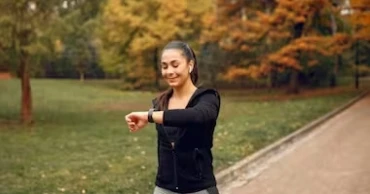
Top 5 exercises to boost immunity and stay healthy
A strong immune system is essential for protecting the body from viruses, bacteria, and other infections, and regular exercise plays a vital role in keeping it functioning optimally.
Along with a healthy diet, sufficient sleep, and stress management, physical activity helps improve blood circulation, reduces stress, enhances hormonal balance, and supports the production of immune cells, according to a report by asianetnews.
Here are five effective exercises that can help boost your immunity and keep you healthy:
1. Brisk WalkingBrisk walking is one of the simplest ways to improve overall health. A daily 30-minute brisk walk raises the heart rate and improves blood circulation, helping immune cells travel more efficiently through the body to fight infections.
Walking outdoors also provides fresh air and sunlight, which helps the body produce vitamin D-an essential nutrient for immune function. All you need are comfortable shoes and a safe walking route.
2. Strength TrainingStrength training exercises such as push-ups, squats, and dumbbell workouts not only build muscle but also support the immune system. These exercises help enhance metabolism and hormonal balance.
Five fruits to keep hair healthy and strong
Beginners can start with bodyweight exercises or light weights and gradually increase intensity, performing two to three sessions per week. This process stimulates immune cell production and improves the body's ability to fight off infections.
3. YogaThe ancient Indian practice of yoga reduces stress and promotes mental well-being. Through breathing exercises, physical postures, and meditation, yoga helps lower stress hormones like cortisol, which, when elevated, can weaken the immune system.
Poses such as Child’s Pose, Downward Dog, and Bridge Pose improve blood circulation and stimulate the lymphatic system, aiding in the removal of toxins and transporting immune cells. Beginners can start with simple poses at home or consider joining a class.
4. SwimmingSwimming is a low-impact, full-body workout that places minimal stress on joints while improving cardiovascular health and lung capacity. It helps reduce inflammation and releases endorphins, enhancing mood and supporting immune health.
The water resistance involved in swimming also strengthens muscles and improves flexibility, making it suitable for individuals with arthritis or injuries.
5. DancingDancing is a fun and effective way to stay active, raise the heart rate, and promote blood circulation. It helps reduce stress and improve mood, both of which are important for maintaining a strong immune system.
Dancing can also be a social activity that combats loneliness and depression. No formal classes are required — simply put on your favorite music and move, benefiting both mind and body.
1 year ago

Can you have Mayonnaise on a weight loss diet? here's what experts say
Mayonnaise is widely loved for its creamy texture and ability to enhance the flavour of burgers, pizzas, and pasta dishes. But is it suitable for a weight loss diet? Nutritionist Amita Gadre recently shared her views on the health effects of mayonnaise through her official Instagram page.
Is Mayonnaise Good for Weight Loss?According to Amita, mayonnaise should be consumed with caution. “You could be serving up high cholesterol on a plate by eating mayonnaise,” she explained. One tablespoon (15 grams) of mayonnaise contains approximately 8 grams of fat, making it more than 50% fat.
Despite this, mayonnaise is often treated like ketchup or a harmless bread spread.
Amita cited the example of a burger, stating that “the deep-fried patty, cheese, and mayonnaise together amount to more than 25 grams of fat in one serving — that’s the total recommended daily fat intake.”
Is It Okay to Eat Mayonnaise Occasionally?While it is acceptable to have mayonnaise occasionally, portion control is essential. Those managing weight or health conditions should limit mayonnaise consumption to special occasions or opt for healthier alternatives.
Health tips: eat these four foods regularly to keep blood pressure under control
What Are Some Healthy Alternatives to Mayonnaise?For those looking to replace mayonnaise in their meals, Amita suggests:
· Avocado spread
· Greek yoghurt
· Hummus
· Mustard or vegan mayonnaise
Is Mayonnaise Bad for Heart Health?Yes, excessive mayonnaise intake can negatively affect heart health. Its high fat and calorie content may contribute to weight gain, elevated cholesterol levels, and increased risk of heart disease. Experts recommend enjoying mayonnaise in moderation.
What Happens When You Stop Eating Mayonnaise?Cutting mayonnaise from your diet may bring positive changes. Reduced calorie and fat intake can support weight loss, while lower saturated fat consumption may help improve heart health by decreasing cholesterol levels. Some individuals may also notice improved digestion and reduced bloating.
Now that you know the truth about mayonnaise, health experts encourage mindful consumption to stay fit, healthy, and happy.
Source: NDTV
1 year ago

Five fruits to keep hair healthy and strong
Getting thick, black, and luscious hair requires more than just external hair care. Regular use of hair masks, herbs, and a healthy lifestyle can work wonders, according to a report by asianetnews.
Apart from maintaining hair hygiene, including certain fruits in your diet can help promote healthy hair growth. Some fruits are not only beneficial for overall health but also play an important role in improving hair quality.
Here are five fruits that experts recommend for maintaining healthy hair:
Amla
This fruit is considered a powerhouse of nutrients for both hair and eyes. Rich in Vitamin C, amla strengthens hair roots and helps reduce hair fall. It can be consumed directly or its juice can be applied to the hair for better results.
What you need to know about regularly consuming olive oil
Papaya
Both ripe and unripe papaya are good for hair health. Papaya contains folate, which makes hair smooth and shiny, activates hair follicles, and helps fight dandruff.
Guava
Guava is widely known for strengthening teeth and preventing diseases. It also contains riboflavin, a nutrient that promotes hair growth and helps reduce hair fall.
Banana
Bananas are great for hair and overall health. Packed with essential vitamins and minerals, bananas support hair growth. Experts say you can also prepare a banana hair mask to improve hair texture.
Orange
Rich in Vitamin C, oranges strengthen hair roots and promote hair growth. Including oranges in your daily diet is recommended for maintaining healthy hair.
Experts suggest that combining these fruits with regular hair care routines and lifestyle changes can significantly improve hair health.
1 year ago