The United States Trade Representative (USTR) has initiated investigations of 16 economies, including Bangladesh, relating to failures to take action on forced labor.
The investigations will determine whether acts, policies, and practices of each of these economies related to the failure to impose and effectively enforce a ban on the importation of goods produced with forced labor are unreasonable or discriminatory and burden or restrict U.S. commerce.
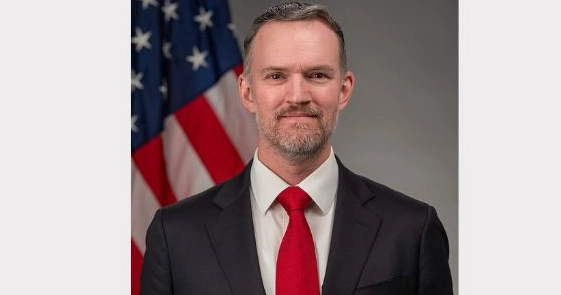
“Despite the international consensus against forced labor, governments have failed to impose and effectively enforce measures banning goods produced with forced labor from entering their markets. For too long, American workers and firms have been forced to compete against foreign producers who may have an artificial cost advantage gained from the scourge of forced labor,” said US Trade Representative (USTR) Ambassador Jamieson Greer on March 12.
“These investigations will determine whether foreign governments have taken sufficient steps to prohibit the importation of goods produced with forced labor and how the failure to eradicate these abhorrent practices impacts U.S. workers and businesses.”
The economies under investigation are among the United States' largest trading partners.
They include the United Kingdom, United Arab Emirates, Pakistan, Sri Lanka, Saudi Arabia, Cambodia, Indonesia, Malaysia, Philippines, Singapore, Thailand, and Vietnam, according to a statement issued from Washington.
USTR has requested consultations with the governments of these economies in connection with these investigations.
USTR will hold hearings in connection with these investigations on April 28, 2026.
To be assured of consideration, interested persons should submit written comments, requests to appear at the hearing, along with a summary of the testimony, by April 15, 2026.
Section 301 of the Trade Act of 1974 is designed to address unfair foreign practices affecting U.S. commerce.
Iranian ambassador reassures Dhaka: 'Bangladeshi tankers can pass Strait of Hormuz'
Section 301 may be used to respond to unjustifiable, unreasonable, or discriminatory foreign government practices that burden or restrict U.S. commerce.
Under Section 302(b) of the Trade Act, the United States Trade Representative may self-initiate an investigation under Section 301.
An investigation under Section 301(b) of the Trade Act examines whether the acts, policies, or practices of a foreign country are unreasonable or discriminatory and burden or restrict U.S. commerce.
After considering the advice of the inter-agency Section 301 Committee, and consulting with appropriate advisory committees, the United States Trade Representative has initiated these investigations.
Upon initiation of an investigation, the United States Trade Representative must seek consultations with the economies whose acts, policies, or practices are under investigation.