
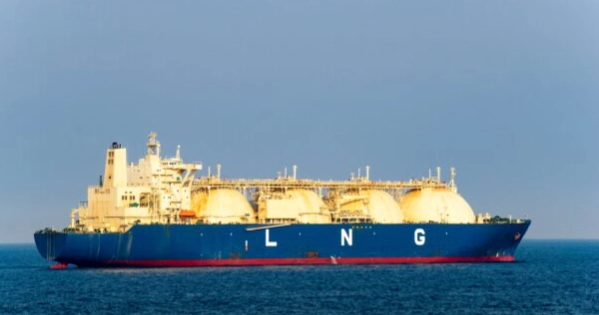
A government committee has recommended approval of a proposal to procure two spot Liquefied Natural Gas (LNG) cargoes, as Bangladesh continues to grapple with mounting pressure on its energy supply amid global market volatility.
The proposal, placed by the Energy and Mineral Resources Division, seeks to import two LNG cargoes under the Public Procurement Rules 2025 through an international quotation process from the spot market.
According to official sources, the cargoes are scheduled for delivery on April 24–25 (10th cargo) and April 27–28 (11th cargo).
Both cargoes are proposed to be purchased from TotalEnergies Gas and Power Limited of the United Kingdom at a quoted price of US$19.77 per MMBtu. Each cargo will cost more than Tk Tk 833 crore each.
The Purchase Committee meeting has taken the move that took place at the Secretariat with Finance Minister Amir Khorsu Mahmud Chowdhury in the chair.
The latest move highlights Bangladesh’s growing reliance on the spot LNG market, where prices are highly volatile, particularly during periods of global uncertainty.
Energy sector insiders say the country has been compelled to turn to spot purchases due to supply constraints and disruptions in long-term contracts, coupled with increased domestic demand for power generation and industrial use.
The global energy market has been under severe strain following the ongoing conflict involving Iran and Israel, which has disrupted supply chains and driven up prices of oil and gas.
The tensions have raised concerns over the security of key shipping routes, particularly in the Strait of Hormuz, through which a substantial portion of the world’s energy supplies pass.
As a result, LNG prices have surged in recent weeks, forcing energy-importing countries like Bangladesh to pay a premium to secure supplies.
Bangladesh has already been facing a fuel supply crunch in recent months, with authorities struggling to maintain stable electricity generation amid shortages of gas and fuel oil.
Officials have taken several measures, including increased imports of fuel oil, load management in the power sector, and prioritising gas supply to essential industries.
The high cost of LNG imports is expected to further increase the government’s subsidy burden, while also exerting pressure on foreign exchange reserves.
Economists warn that continued reliance on expensive spot LNG purchases could have broader macroeconomic consequences, including higher inflation and increased production costs for industries.
They also stress the need for a balanced energy strategy that includes long-term supply agreements, diversification of energy sources, and greater investment in renewable energy.
Despite the challenges, officials say the immediate priority remains ensuring an uninterrupted energy supply to sustain economic activities.
The proposed procurement of the two LNG cargoes is part of that effort, aimed at bridging short-term supply gaps during a period of heightened global uncertainty.
With geopolitical tensions showing no signs of easing, Bangladesh’s energy security is likely to remain under pressure in the coming months.