The High Court on Monday asked the secretary of Health Ministry, Director General of the Directorate General of Drug Administration (DGDA) and authorities concerned to supply adequate antivenom in all Upazila Health Complexes across the country as soon as possible for snake bite patients.
The HC bench of Justice Fahmida Quader and Justice Sayed Jahed Mansur passed the order after hearing a writ petition and asked the authorities to submit the progress report within two months.
Advocate AKM Nurun Nabi Ujjal stood for the petitioner while deputy attorney general Shafiqur Rahman represented the state.
Advocate AKM Nurun Nabi Ujjal said news about people dying from snake bites in various upazilas of the country is frequently reported in the media and it is observed that the injured patients are dying due to the lack of sufficient snake bite medicine (antivenom) in the upazila hospitals.
Later, Advocate Nurun Nabi filed a writ petition after attaching the media reports seeking supply of adequate antivenom in all upazila health complexes across the country.
According to the survey of the newspaper report, at least 38 people died while 610 were injured from snake bites from February to July 1, this year, across the country.
The Directorate General of Health Services (DGHS) revealed this information at a press briefing held over the public awareness about Russell’s viper. Prof Dr Robed Amin revealed this information during the press briefing.
When briefing, Prof. Dr Robed Amin, said over 4 lakh people were injured while 7,500 people died from snake bite till 2022, according to the national survey.
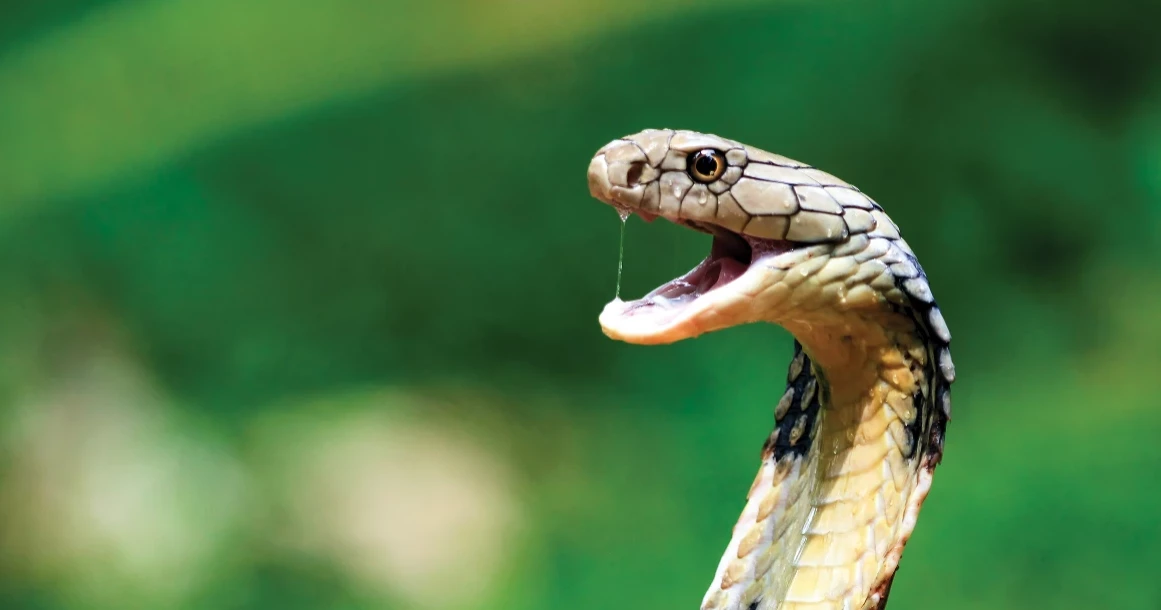
Despite the insufficient information regarding snakes, the main venomous snakes include the cobra, crate (black krait), the Russell's viper and the green snake. There are also reports of bites from some sea snakes.
Dr. Robed said that the recognised treatment for venomous snake bites is antivenom.
The venom of the country's main venomous snakes is collected and administered to horses, from which antivenom is created through various processes using the horse's blood serum.
Currently, antivenom is not produced in Bangladesh.
Antivenom prepared in India (for four main venomous snakes) is collected and supplied to various government hospitals by the non-communicable disease program. Despite the lack of a specific programme for the purchase, distribution, storage, use and post-use effect (monitoring) of antivenom, the positive effects of its application are noticeable.