
Santal community, one of the major ethnic group in Bangladesh, is observing the Historic Santal Rebellion Day, commonly known as ‘Santal Hool’, in Dinajpur on Monday.
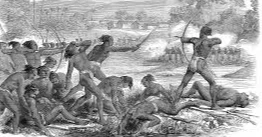
The Santal Rebellion was a historic uprising in 1855 against the relentless exploitation and oppression of peasants and landless people including the Santals by East India Company in collaboration with local jamindars, moneylenders and traders.
The root of the rebellion lay in the Santals’ desire to free themselves from brutal exploitation by the colonial government, local landlords and deceitful traders.
They sought rightful ownership of the lands they had cultivated by clearing forests and demanded the freedom to enjoy the produce of their labour.
Under the leadership of Sidhu, Kanu, Chand, Bhairab, Jhalmani and Phulmoni when the rebellion spread from Bhognadihi the British colonial government soon launched a brutal crackdown.
Initially defeated by the rebels, the Company later retaliated with widespread massacres and the systematic burning of Santal villages.
Under the command of General Lloyd and General Bird, some 1,400 British troops surrounded Santal territory, killing over 10,000 rebels and 30,000 civilians.
On January 27, 1856, Chand and Bhairab attained martyrdom in direct combat against the Bhagalpur Hill Rangers.
Though the rebellion was ultimately suppressed it ignited a series of historic resistance movements, including the Sepoy Mutiny and the Tebhaga Movement.