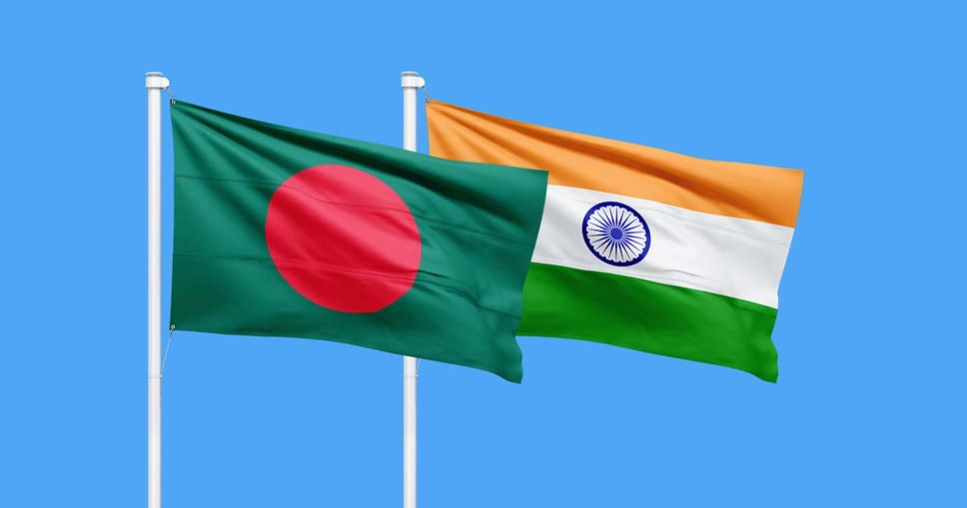
The International Crisis Group (ICG), a Brussels-based independent organisation, on Thursday said improving the relationship between Bangladesh and India should be a priority for the European Union (EU).
European diplomats should emphasise to New Delhi that remaining wedded to the Awami League (AL) is no longer a viable strategy, adding that its perceived failure to support the interim government is only stoking anti-India sentiment within the country and is detrimental to its long-term interests, said the organisation which is working to prevent wars and shape policies to help build a more peaceful world.
“Relations with India remain strained, and there is little prospect of Rohingya refugees returning to war-torn Myanmar any time soon,” said Crisis Group's Senior Consultant on Myanmar and Bangladesh Thomas Kean.
Political challenges in Bangladesh likely to increase this year: ICG
In parallel, the ICG said, the EU should encourage Dhaka not to fan anti-Indian sentiment and to take further steps to address legitimate Indian concerns, such as by offering assurances that it will meet all its legal obligations related to bilateral projects initiated under the ousted government of Sheikh Hasina.
The EU and its member states should strive to maintain their support for the humanitarian response to the Rohingya refugee crisis. International funding has been declining in recent years, with the UN’s 2024 response plan just 56 per cent funded, according to an excerpt from Bangladesh chapter titled “Bangladesh: The Dilemmas of a Democratic Transition.”
While the EU remains one of the largest donors, some European countries have cut back assistance.
The trend risks accelerating, given the strong probability that the Trump administration will slash the U.S. aid budget, making European funding all the more important, said the ICG.
Similarly, it said, the U.S. is expected to reduce the number of refugees it accepts for resettlement every year; the EU’s member states should strive to resettle more Rohingya refugees.
Bangladesh vows to boost youth employability, global labour cooperation
Even in the best-case scenario the vast majority of Rohingya refugees will remain in the sprawling camps that host them in southern Bangladesh for the foreseeable future – and, as mentioned earlier, more could cross over from Myanmar as conflict rages across the border, said the ICG.
The EU should work with Dhaka to adopt policies that foster refugee self-reliance and minimise the costs of delivering vital services, support Bangladesh’s efforts to convene a high-level Rohingya conference later in 2025, according to the Brussels-based organization.
The EU should also encourage Dhaka to step up its engagement with the Arakan Army, which is now an inescapable interlocutor for any repatriation plans, ICG said.
Each year, Crisis Group publishes an “EU Watchlist”, identifying where the European Union and its member states can enhance prospects for peace.
This year’s list includes entries on Bangladesh as well as Moldova, Colombia, North Korea, Sudan, the Great Lakes, Ukraine, Syria, Israel-Palestine and Iran.