
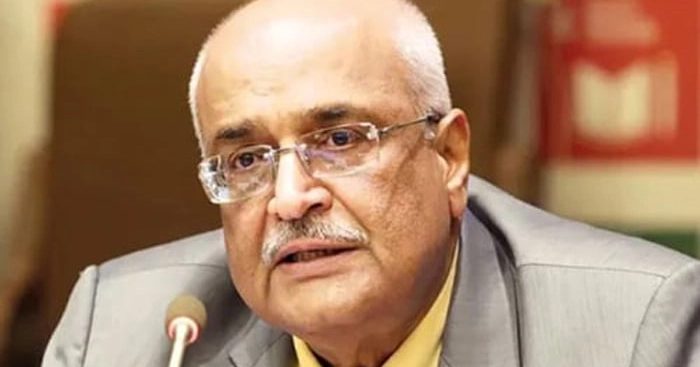
The new government of Bangladesh is facing challenges in formulating its first national budget amid mounting economic pressure, structural weaknesses and limited fiscal space, said eminent economist Dr Debapriya Bhattacharya on Tuesday.
Speaking at a media briefing titled ‘Thoughts on the First Budget of the New Government’, organised by the Citizen’s Platform for SDGs in Dhanmondi, Debapriya said the government is effectively operating under a ‘hard budget constraint’ as they navigate incomplete reforms and rising macroeconomic challenges.
Debapriya, distinguished fellow of Centre for Policy Dialogue (CPD), said the upcoming FY2026–27 budget must balance immediate electoral commitments with urgent economic reforms while ensuring macroeconomic stability through a credible medium-term framework.
He identified several key pressure points including limited fiscal space, rising debt servicing obligations, persistent inflation, exchange rate stress and weaknesses in public financial management.
The economist warned that external shocks particularly the ongoing global fuel crisis are intensifying macroeconomic risks.
Higher energy costs could widen the current account deficit, increase subsidy burdens and put further pressure on taka. “The government faces difficult trade-offs between protecting revenue and cushioning consumers from rising fuel and food prices.”
Debapriya also highlighted concerns over declining revenue performance, noting that actual revenue collection continues to fall short of budget targets, reflecting structural inefficiencies in the tax system.
To expand fiscal space, he recommended widening the tax net without raising rates, phasing out exemptions, introducing property taxation and improving compliance.
On the expenditure side, Debapriya stressed the need to rationalise subsidies, reform state-owned enterprises and ensure disciplined deficit financing.
He further suggested trimming ‘zombie projects’ from the Annual Development Programme (ADP) as a significant number of projects have faced repeated revisions and long implementation delays.
Calling for a ‘fiscal social contract,’ Debapriya said the budget should aim to strengthen the link between taxation and public service delivery, ensuring transparency, equity and efficiency.
Foreign debt top challenge for new govt, steps must be cautious: Debapriya
Among immediate priorities, he proposed imposing a hard budget constraint for the remainder of the current fiscal year, accelerating revenue reforms and setting up a task force to review development spending.
Debapriya also urged the government to present a clear three-year medium-term budgetary framework to guide economic management amid ongoing global and domestic uncertainties.