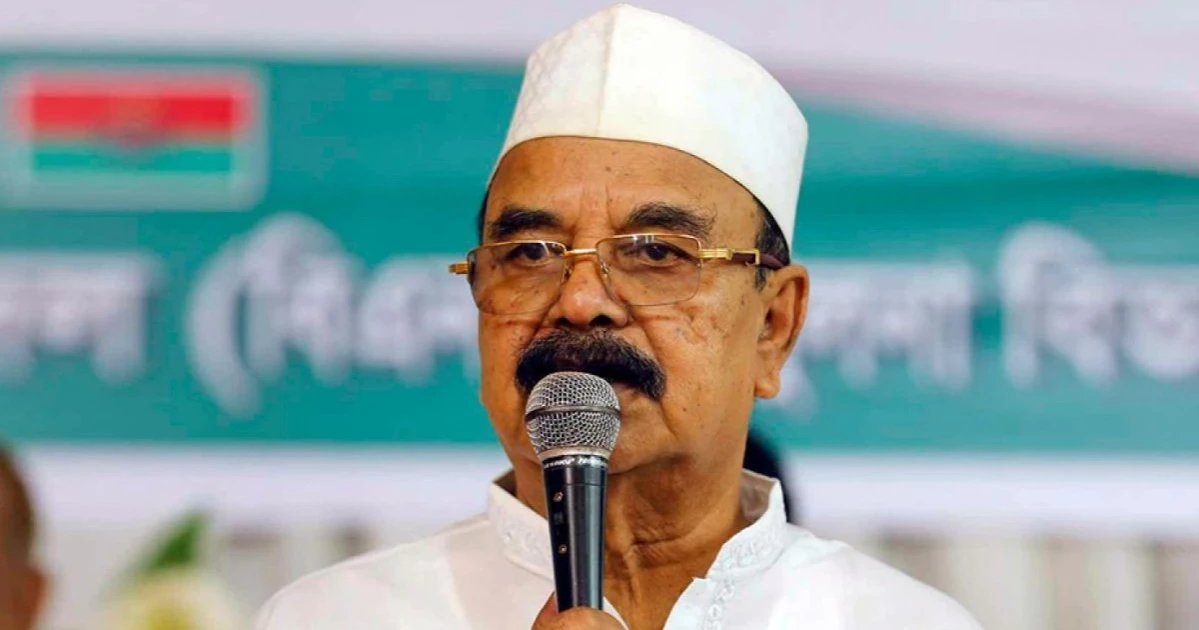
BNP Standing Committee member and MP from Dhaka-2, Goyeswar Chandra Roy on Thursday claimed that many ruling party lawmakers would feel uncomfortable when the issue of the ‘1/11’ political changeover is raised.
Taking part in the discussion on the thanksgiving motion on the President's speech in Parliament, he said he was among the first to stand against the developments of the 2007–08 Bangladeshi political crisis.
Roy alleged that reform initiatives promoted during that period by figures such as Major General Amin and Brigadier General Bari were part of a broader “depoliticisation conspiracy” under the then caretaker regime led by Fakhruddin Ahmed and Moeen U Ahmed.
Referring to the role of BNP leaders at the time, he said some senior party figures had panicked and distanced themselves from then party chief Khaleda Zia, while grassroots leaders and the public stood by her. He noted that Khaleda Zia did not leave the country despite pressure, choosing instead to face imprisonment.
Roy also criticised the stance of Bangladesh Jamaat-e-Islami during the period, alleging that the party did not issue statements in support of Tarique Rahman or Khaleda Zia at the time.
However, he said BNP had extended support when Jamaat leaders were arrested over war crimes charges, including calls for their release.
He urged Jamaat to acknowledge its role during the 1971 Liberation War.
Alluding to remarks by Jamaat leader ATM Azharul Islam, Roy rejected insinuations about BNP’s relations with neighbouring India.
“Your relations with neighbours date back to the British era, not ours. So you have little to be proud of regarding 1947,” he said.
He emphasised that Bangladesh should maintain friendly relations with all countries for economic reasons, but without compromising sovereignty.
“We will maintain friendship with neighbours, but not a relationship of subservience. It must be based on equality, preserving the country’s independence and the interests of the people,” he added.