Bangladesh holds the potential to earn approximately $1.0 billion annually from the global carbon market. While the country has made some progress generating $ 7 million since 2006 through initiatives like improved cooking stoves and solar home systems investment in this sector remains limited due to the absence of a clear national policy.
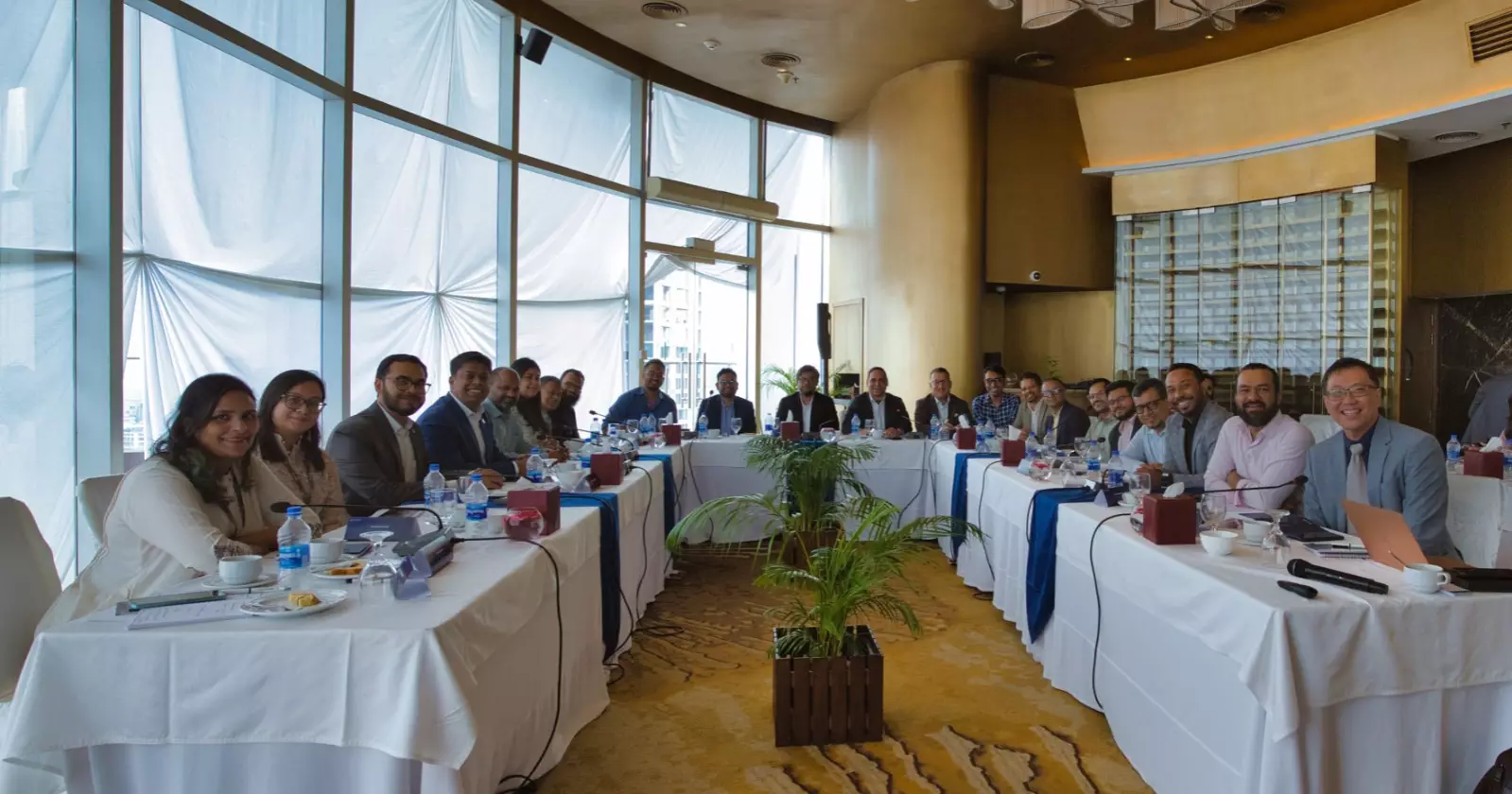
These insights were shared at a roundtable discussion titled ‘Catalysing Carbon Financing in Bangladesh: Private Sector Pathways and Policy readiness’ held on Monday in Gulshan, Dhaka, said a media release.
The event was organized by international consultancy firm LightCastle Partners to raise awareness among private sector leaders and investors about the country's readiness for carbon market participation and implementation of Article 6 under the Paris Agreement.
Key speakers at the event included Ahmed Zubaer Mahmud, Additional Director of the Sustainable Finance Department of Bangladesh Bank; Ashim Rahman, Policy Advisor, Embassy of the Netherlands of Bangladesh; Shahadat Hossain Shakil, Environmental Expert; Sumaiya T. Ahmed, Head of Sustainability, PRAN-RFL Group
The roundtable was moderated by Bijon Islam, Chief Executive Officer (CEO) of LightCastle Partners.
A featured presentation titled ‘Agriculture, Bangladesh and the Carbon Market’ was put forward by Lincoln Teo, Managing Director of ZERO13.
Adviser Rizwana urges unified global action to tackle climate change
In his presentation, Teo emphasized Bangladesh’s commitment to combating climate change, citing national goals to produce 16 percent of energy from renewable sources by 2030 and reduce annual carbon emissions by 89.47 metric tons of CO₂e.
He noted that achieving these targets will significantly support sustainable agriculture, water management, and overall economic growth. The Dhaka Climate Action Plan, aligned with global and national climate commitments, was also highlighted as a critical step toward making the capital more livable and environmentally sustainable by 2050.
Ahmed Zubaer Mahmud underscored the importance of coordinated action across stakeholders. “While we've set green financing targets and launched refinancing schemes, we must now strengthen public-private cooperation and follow international best practices, with strong banking sector support,” he said.
Bijon Islam called for innovative financing models aligned with environmental and social impact. “Carbon financing can unlock new investment channels. But we must rethink how we mobilize capital to support a low-carbon, inclusive economy,” he noted.
Key Recommendations from the Roundtable:
• Expand renewable energy use to reduce emissions
• Boost industrial efficiency through technological integration
• Leverage carbon finance in sectors like waste management and forestry
• Simplify regulatory processes to encourage private sector participation
• Identify and address existing financial barriers
• Strengthen policy frameworks to support carbon market development
• Encourage banks and large institutions to invest in low-carbon initiatives
As Davos 2025 reacts to Trump tack, EU chief leads defense against climate change
The speakers collectively emphasized the urgency of adopting a strategic approach to carbon financing. With clear policies and increased investment, Bangladesh can better position itself in the global carbon economy while advancing sustainability and economic resilience.