The governments of Bangladesh, Bulgaria and Japan, together with UNFPA, will host a two-day event titled “ICPD30 Global Dialogue on Demographic Diversity and Sustainable Development” that begins in Dhaka on Wednesday morning.
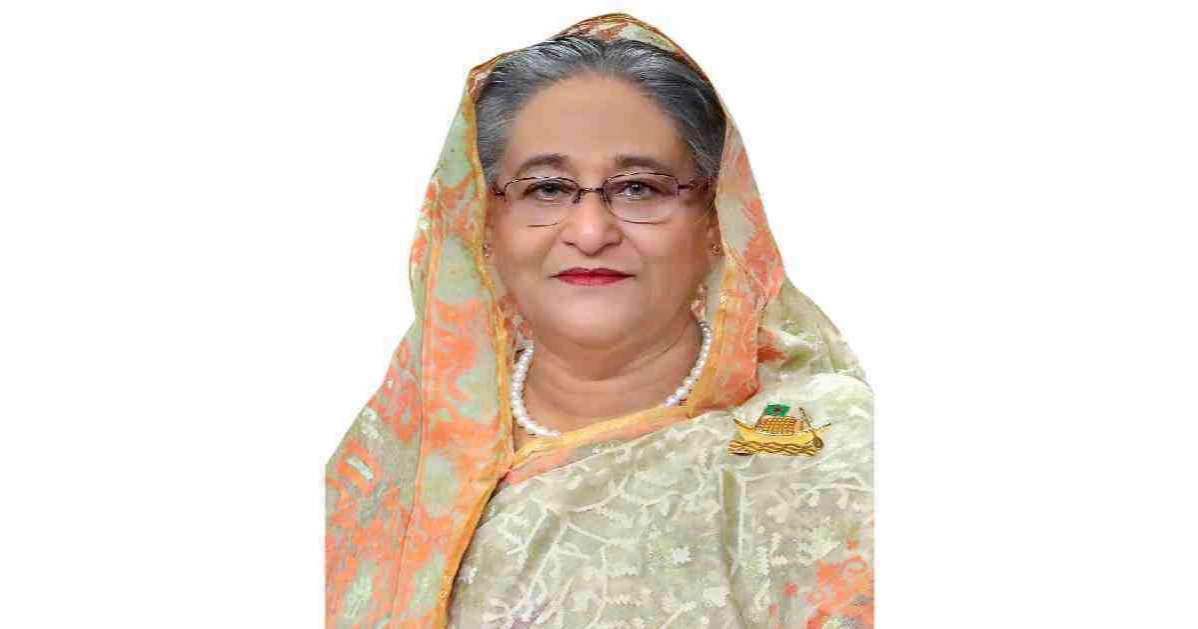
Prime Minister Sheikh Hasina is scheduled to attend the dialogue as the chief guest that creates a platform to discuss the challenges and explore the opportunities of the world’s shifting demographics.
2024 is the 30th anniversary of the International Conference on Population and Development (ICPD).
Foreign Minister Dr Hasan Mahmud, UNFPA Executive Director Dr Natalia Kanem, State Minister for Health and Family Welfare, Bangladesh Dr Rokeya Sultana, Parliamentary Vice-Minister for Foreign Affairs, Japan Yasushi Hosaka and Representative from the Government of Bulgaria are expected to join the opening ceremony.
The global dialogue will unpack global and regional population dynamics and diversity, covering topics such as intergenerational wellbeing and healthy ageing, the future of population data, and the changing demography of rural communities, according to UNFPA.
Around 200 representatives from local and national governments, academia, think tanks, technical experts, civil society organizations, and the private sector will share practical insights into the investments in health, education, housing or infrastructure, population change that are needed to adapt to changing demographic trends.
This dialogue will honour that legacy by focusing on practical responses to demographic change that reinforce a human rights-based approach to population policies that put gender equality and reproductive rights at the core.
Other sessions will cover - demographic diversity and dividends – promoting sustainability in a context of changing fertility and mortality; gender equality, sexual and reproductive health and reproductive rights, and demographic resilience in contexts of low fertility: unlocking the 1st demographic dividend in a context of high fertility and youthful populations; Future of sexual and reproductive health in a context of population change technology and life science: Promoting resilience for a smart future; Intergenerational wellbeing, and healthy ageing and the future of population data.
The second will cover - Population dynamics and the climate crisis; Inequality of climate risks and impacts; Where will we live? The impact of climate on habitable spaces, relocation and forced migration; Universal Health Coverage and strategies for strengthening health systems in light of demographic change and technology advances; Promoting green, diverse ICPD - friendly cities; the changing demography of rural communities; and the future of population policies for the post-2030 agenda and sustainable development.