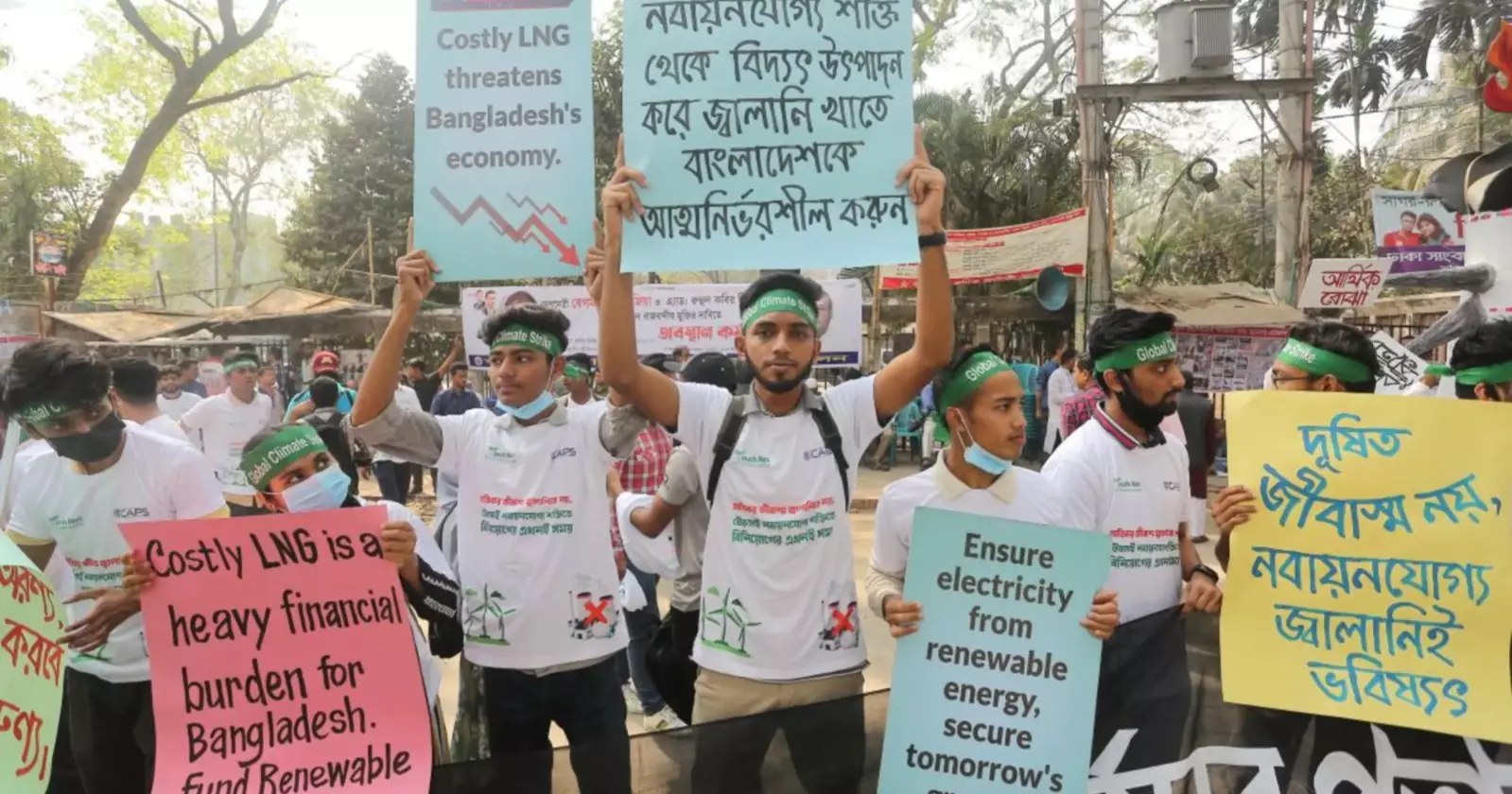
As Bangladesh prepares for its 13th national parliamentary election, youth climate activists are urging all political parties to prioritise climate justice and a just transition in their platforms. YouthNet Global, a leading youth-led climate organisation, said the country’s climate future will be shaped at the ballot box.
“Just transition is not only an environmental agenda. It is about social justice, economic resilience, and climate security,” the organisation said in a statement, calling on leaders to protect livelihoods, water security, and vulnerable communities.
The group has urged political parties to adopt clear policies to phase out high-emission industries responsibly, expand renewable energy and climate-resilient infrastructure, strengthen social protection for climate-affected communities, involve youth and women in climate programs, and uphold workers’ rights in the green economy.
“Bangladesh has the vision, talent, and resilience to turn climate challenges into a fairer, greener, and more prosperous society,” said Sohanur Rahman, Executive Coordinator of YouthNet Global. “Embedding just transition into party platforms is not just a policy choice; it is a promise of opportunity, dignity, and hope for the future.”
Bangladesh, a low-lying delta nation with over 170 million people, is highly exposed to climate risks. Rising sea levels, floods, cyclones, river erosion, and salinity intrusion are already reshaping lives and livelihoods. Women, children, and marginalised communities are the most affected, with many displaced families moving to urban slums.
Recent studies warn that rising global temperatures and extreme heat could further threaten public health, labour productivity, and economic stability. Pollution in cities and rivers adds to the environmental burden, with rising health risks from climate-sensitive diseases such as dengue.
Political parties have begun including climate pledges in their election platforms. The Bangladesh Nationalist Party (BNP) has promised tree planting, canal excavation, and measures to address climate-related loss and damage. Jamaat-e-Islami Bangladesh has pledged environmental protection, flood risk reduction, and youth and women’s leadership in climate management. The National Citizen Party (NCP) has proposed renewable energy expansion, phasing out polluting brick kilns, and mandatory effluent treatment for industries. Islami Andolon Bangladesh has emphasised disaster preparedness, climate adaptation, and environmental resilience.
Energy dependency is a key concern. Bangladesh currently relies on fossil fuels for 97 percent of its energy, with almost 70 percent imported, costing about 150,000 crore Taka annually. YouthNet Global has called on the next government to plan for sustainable, affordable, and climate-resilient energy while reducing import dependence.
YouthNet Global stressed that just transition ensures a socially inclusive shift to a low-carbon economy, protecting worker rights and creating opportunities in green jobs, sustainable agriculture, and climate-resilient infrastructure. The country has already included these principles in its third Nationally Determined Contribution (NDC 3.0) submitted to the UNFCCC.
Environment, Forest and Climate Change Adviser Syeda Rizwana Hasan also urged political parties to present clear roadmaps for environmental protection and climate resilience in their election manifestos, and called on youth to hold elected leaders accountable.
Bangladesh’s upcoming election is being closely watched by youth activists, civil society, and climate-affected communities as a potential turning point for climate policy, social equity, and sustainable development.