Since returning to office in January, former President Donald Trump’s efforts to reshape the federal government in line with his personal will have drawn comparisons to elected strongmen in other countries who consolidated power, punished opponents, and curtailed dissent. Analysts note, however, that Trump is acting faster and more overtly than many of his global counterparts.
Eight months into his second term, Trump suggested revoking licenses of U.S. television stations he perceives as overly critical—recalling Venezuela’s Hugo Chávez, who eight years after taking office revoked the license of the country’s oldest private TV station.
Targeting political opponents
While the United States remains far from Venezuela or other authoritarian regimes, Trump has quickly consolidated authority, directed federal law enforcement toward perceived political adversaries, and removed officials considered disloyal. He has also pardoned more than 1,500 people convicted for involvement in the January 6, 2021, Capitol attack and threatened judges, law firms, and institutions he sees as opposing him.
Trump has publicly claimed he is seeking accountability for Democrats, saying his administration is focused on restoring integrity to the justice system and addressing “radical left-wing violence.” In recent weeks, the Department of Justice indicted former FBI Director James Comey, whom Trump blames for the Russian collusion investigation, and Trump directed a crackdown on groups he alleges fund political violence, targeting organizations linked to Democratic causes.
In front of drowning nations, Trump dismisses climate change as ‘con job’
Experts warn of rapid erosion of norms
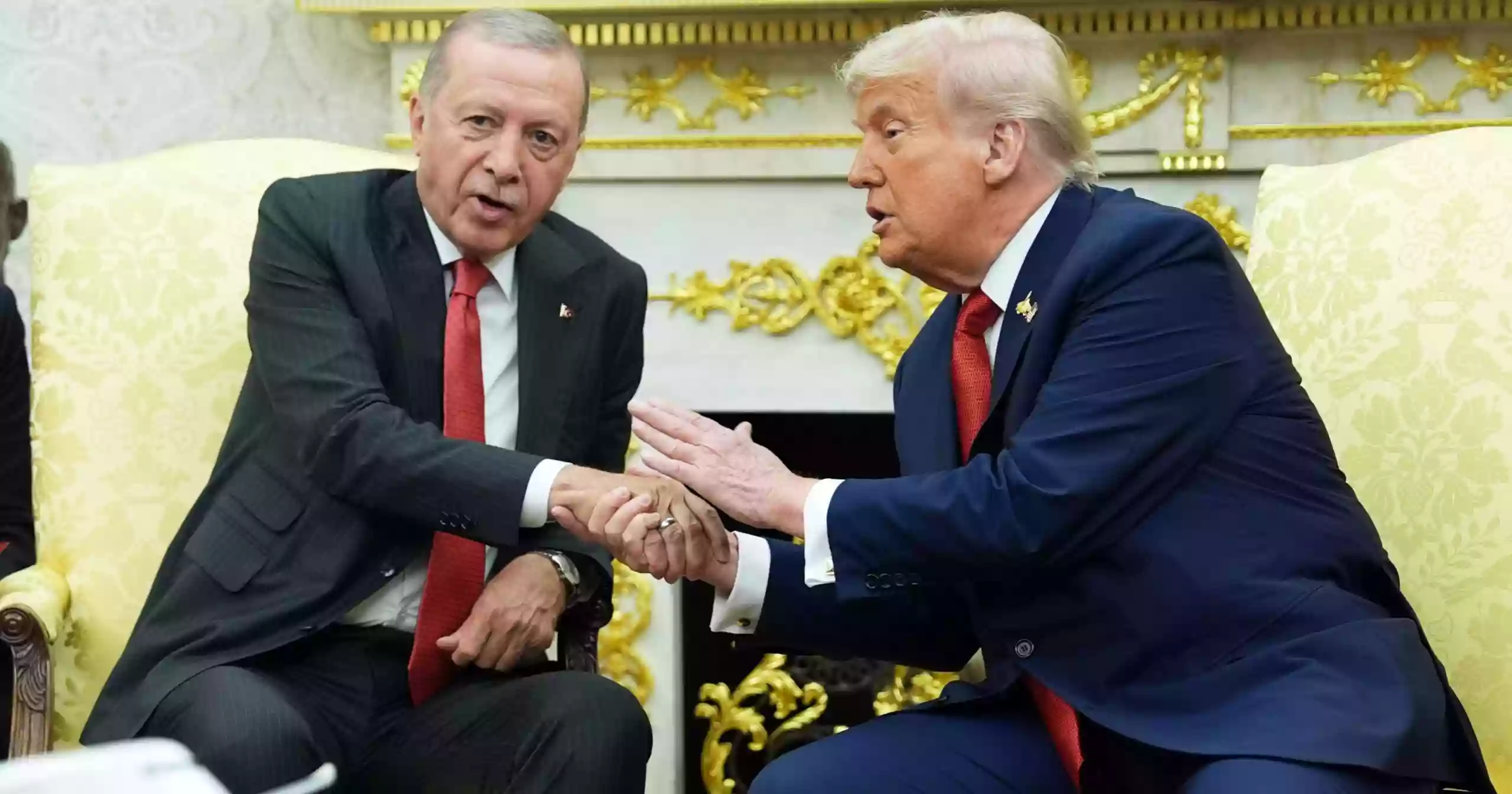
Comparisons have been drawn to leaders like Hungary’s Viktor Orbán, Turkey’s Recep Erdoğan, and Venezuela’s Chávez, all of whom used government levers to entrench power. Analysts note that, unlike these leaders, Trump is acting with unusual speed and visibility.
“The only difference is the speed with which it is happening,” said David Smilde, a Tulane University professor who lived in Venezuela during Chávez’s rise. Harvard political scientist Steven Levitsky noted that the U.S. is “not a society prepared for authoritarianism,” unlike countries whose citizens have learned to recognize early threats to democracy.
Former Turkish official Alper Coskun said Trump is following Erdoğan’s playbook more quickly than expected, while Kim Scheppele, a Princeton sociologist, observed that Orbán initially moved cautiously to avoid resistance—a tactic Trump has largely bypassed.
Trump meets Pakistan PM amid signs of improving ties
Still, experts note key differences. U.S. institutions, courts, and state governments have historically checked presidential overreach, as seen when Trump’s attempts to overturn the 2020 election were blocked. Yet the rapid consolidation of power, focus on punishing political foes, and threats to media outlets mark a concerning departure from past norms.
“Here, nobody has really seen this in a president before,” Smilde said.
Source: Agency