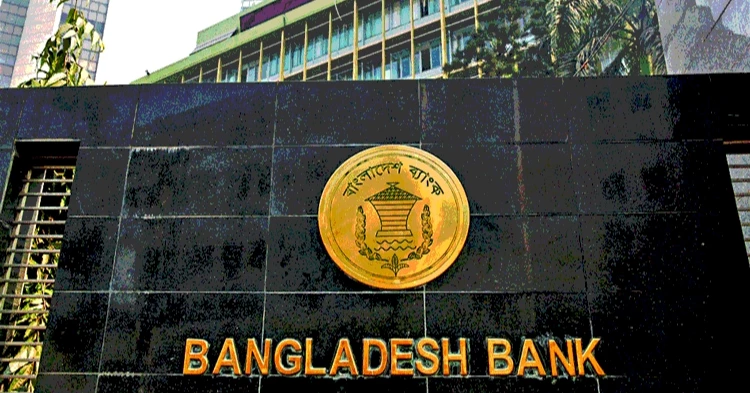
In a major move to streamline financial operations, Bangladesh Bank has issued a unified policy for managing foreign exchange transactions related to international passenger and cargo transport services.
The central bank released a circular on Thursday (May 7), consolidating all previous guidelines concerning the collection of tickets and charges for foreign airlines, shipping companies, and cargo services into a single, comprehensive regulatory framework.
Bangladesh Bank raises car loan ceiling to Tk 80 lakh for electric, hybrid vehicles
According to the central bank, this initiative aims to create an integrated regulatory structure for the transport sector. By bringing together scattered instructions into one document, the new policy is expected to reduce procedural complexities, ensure better compliance, and eliminate ambiguities that previously existed.
The circular states that all foreign exchange transactions and outward remittances will continue to be governed by the Foreign Exchange Regulation Act 1947. However, to facilitate ease of doing business, previous instructions have been harmonized, and certain provisions have been updated to reflect current market needs.
The unified framework covers a broad range of sectors and entities, including:
Airlines & Shipping: Issuance of international tickets and collection of freight charges for foreign airlines and shipping lines.
State-Owned Enterprises: Financial transactions for Biman Bangladesh Airlines and the Bangladesh Shipping Corporation.
Logistics Providers: Specific guidelines for private shipping companies, courier services, and freight forwarders.
Foreign Currency Accounts: Regulations for managing and operating foreign currency accounts for both local and international transport companies operating in Bangladesh.
Tour Operators: Updated instructions to ensure transparency in the rapidly expanding tourism service sector.
The circular has been issued under the Foreign Exchange Regulation Act and will remain in effect for one year from the date of issuance. Any new instructions issued during this period will be considered part of this integrated framework.
"The goal is to increase transparency in service sectors and ensure consistency with the overall regulatory framework," a senior official of the central bank noted.
The official added that this unified structure would make the process of outward remittances for the transport and logistics sectors more efficient and transparent while ensuring strict adherence to national foreign exchange regulations.