In the early morning light off California’s Channel Islands, golden strands of kelp sway as sea lions and fish dart between them—an ecosystem thriving under more than 20 years of marine protection. But while these waters flourish, the future looks uncertain for another stretch of ocean thousands of miles away.
The Trump administration has taken steps to reopen over 500,000 square miles of previously protected waters in the Pacific Remote Islands Marine National Monument to commercial fishing, reversing years of conservation gains.
In contrast, California is moving toward expanding—not reducing—its marine protections. As part of a decennial review of its marine protected area (MPA) network, the state is considering proposals from scientists, tribal representatives, and environmental groups to not only maintain existing protections but also increase them.
“These are like our underwater national parks,” said Douglas McCauley, director of UC Santa Barbara’s Benioff Ocean Science Laboratory, while aboard a dive boat. “They safeguard biodiversity and support a vibrant tourism economy.”
Since its launch in 2003, California’s MPA network has grown to include 124 areas, covering around 16% of state waters, with a proposed 2% expansion under review. The reserves range from strictly no-fishing zones to limited-use areas. These protections have helped marine life rebound and often spill over into adjacent fishing grounds—benefiting both the environment and the fishing industry over time.
The Channel Islands were among the first to receive full protection, with about one-fifth of their surrounding waters off-limits to all fishing activity.
Pushback from fishermen
However, proposals to expand protections have drawn criticism from some in the fishing community. Blake Hermann, a fourth-generation commercial fisherman from Ventura County, supports the MPA system overall but argues that restrictions in some areas—especially where highly migratory species like tuna and swordfish pass through briefly—are overly restrictive. He’s petitioned to allow limited fishing in several no-take zones.
“These islands are incredible,” Hermann said. “But we can find a middle ground—protecting the key areas while restoring some access.”
Balancing protection with ocean change
Others warn that any rollback of protections, even partial, could set a dangerous precedent—especially as climate change and industrial activity put increasing pressure on marine ecosystems.
“When we protect the oceans, we’re protecting ourselves,” said Sandy Aylesworth of the Natural Resources Defense Council. Expanding protections, she added, will help California's coast withstand climate-related stresses and serve all ocean users, including fishermen.
Final decisions from the state’s MPA review are expected next year.
Craig Shuman, marine region manager at California’s Department of Fish and Wildlife, acknowledged that MPAs are among the most controversial topics the agency deals with. While many fishermen aren’t necessarily asking for more access, he said, they fear losing what they already have.
“They’re asking: if we lose more ground, where do we go?” Shuman said. “It’s a delicate balance—preserving ocean ecosystems while respecting traditional uses.”
Still, he noted, data shows the system is generally effective. “Each MPA is unique, but many are achieving the ecological recovery goals we set out to meet.”
Trump-era rollback raises alarm
The federal rollback affects waters between 50 and 200 nautical miles around a remote island chain in the Pacific, initially protected under President George W. Bush and expanded by President Obama. Supporters of the change argue it benefits fisheries in Hawaii and American Samoa. Conservationists, however, are alarmed by potential harm to habitats for coral reefs, sea turtles, whales, and countless other species.
“This makes state-level protection even more vital,” said Molly Morse of the Benioff Ocean Science Laboratory. “We need to counterbalance the federal rollbacks.”
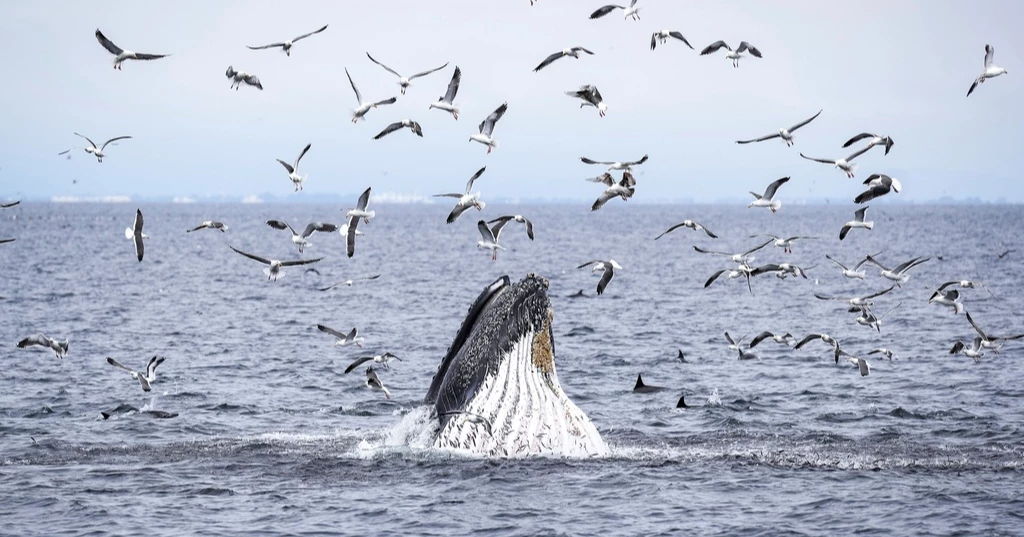
Back in the protected waters near Anacapa Island, schools of sardines and anchovies shimmer below the surface, attracting a flurry of seabirds and dolphins. Humpback whales breach nearby. At the edge of the MPA boundary, a sport fishing boat drops anchor, while a container ship glides by.
“California has it all—ports, oil rigs, fishing fleets,” said McCauley. “And yet, even amid all that, we’ve carved out space for the wild. Everyone who depends on the ocean can benefit.”