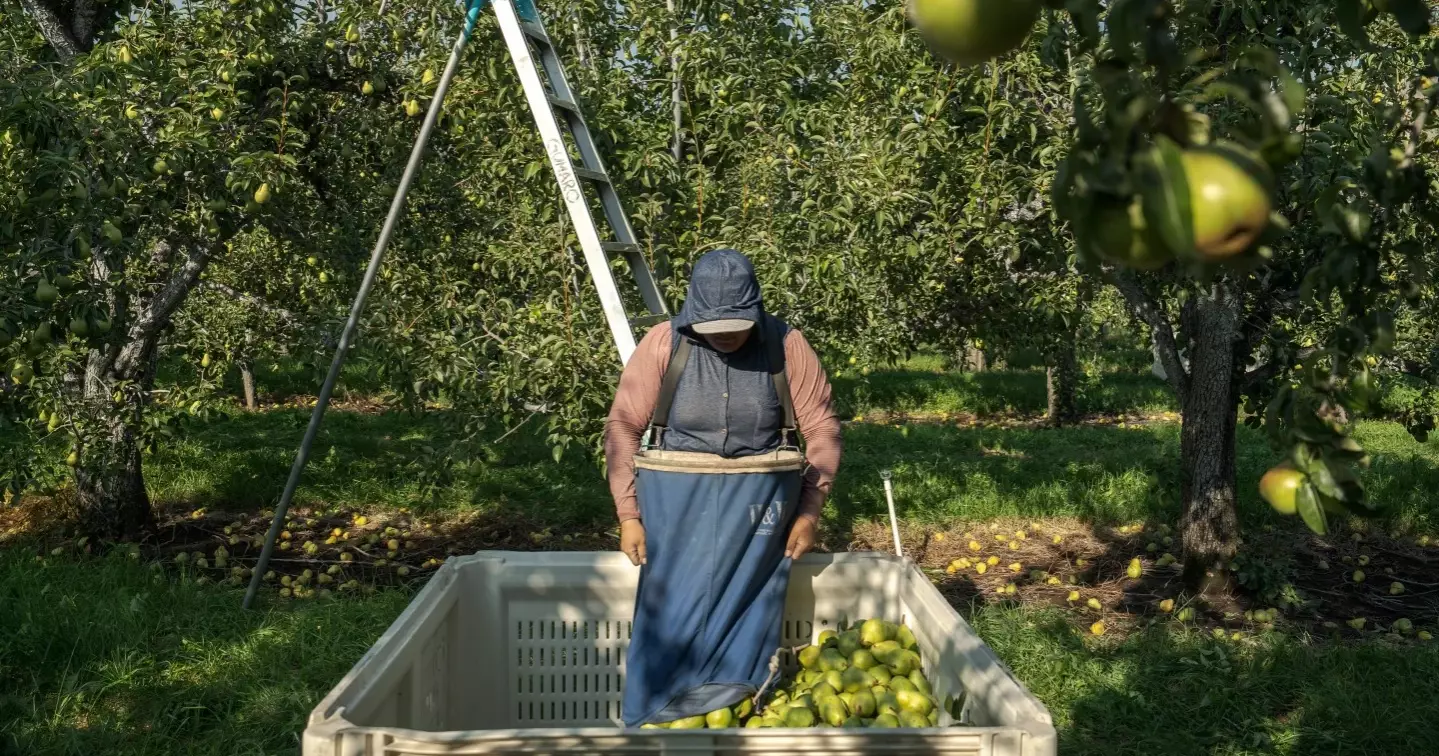
As global temperatures continue to climb, pregnant agricultural workers in the United States are facing increasing danger from extreme heat, particularly those working in outdoor farms and humid nurseries across states like California, Florida, and Iowa.
One such case was that of Clarisa Lugo, who was eight months pregnant when she fell ill from heat exhaustion while inspecting corn and soybean crops in Illinois last summer. The heat index had soared to 105°F (40.5°C), leaving her vomiting, dizzy, and with a severe headache that lasted for hours. “I remember that it was hard for me to go back to normal,” Lugo told the Associated Press.
Agricultural workers are already among the most heat-vulnerable laborers, but experts warn that pregnancy multiplies the risk. Heat exposure has been linked to miscarriages, preterm births, stillbirths, and low birth weight. With the worsening climate crisis, advocates say enforcement of worker protections remains inadequate.
Rising temperatures heighten risks
California, one of the largest agricultural states, employed over 893,000 farmworkers in 2023. Since the early 1900s, average temperatures there have risen by nearly 3°F (1.67°C), and seven of the past eight years have been the warmest on record. Similar trends have been observed in Iowa and Florida.
A study found that agricultural workers face more than 35 times the risk of heat-related deaths compared to workers in other industries — a statistic experts believe is undercounted. Roughly one-third of US farmworkers are women, a proportion that continues to grow.
Tragically, not all survive the conditions. In 2008, 17-year-old Maria Isabel Vasquez Jimenez died from heatstroke while pruning grapes in California. Her death later prompted the state to strengthen its outdoor heat protection laws, now named in her memory.
Patchy protections and weak enforcement
While California and Washington have specific heat safety standards, there are no nationwide regulations. The Trump administration has indicated progress toward introducing a federal heat rule, but advocates argue enforcement of existing protections remains inconsistent.
Some states, including Texas and Florida, have even blocked local governments from setting their own heat safety rules. Although federal law — such as the 2023 Pregnant Workers Fairness Act — mandates “reasonable accommodations” for pregnant workers, many say the measures fall short of addressing the realities faced by low-wage farmworkers.
“There simply aren’t enough protections for pregnant workers,” said Dr. Ayana DeGaia, assistant professor of obstetrics and gynecology at the University of Washington. “That’s part of why maternal and infant mortality rates in the US remain among the highest in high-income countries.”
Fear and immigration pressures
Compounding the issue is the fear generated by the Trump administration’s immigration policies. Many farmworkers — often undocumented immigrants — avoid seeking medical care out of fear of detention or deportation.
Dr. Katherine Gabriel-Cox, a California physician, said her clinic frequently encounters patients who skip prenatal appointments or seek medical attention only during labor. “It’s something we hear over and over again,” she said.
According to a brief by Physicians for Human Rights, many clinics nationwide have reported fewer walk-ins and delayed care among pregnant immigrants, with rising no-show rates for scheduled appointments.
Unsafe conditions at work and home
Farmworkers told the AP that many employers fail to provide shade, clean drinking water, or proper rest breaks. Some women described unsanitary bathrooms, long walks to restrooms, and being denied breaks even while pregnant. Others said they continued heavy physical labor — such as lifting pots or bending over plants for hours — out of necessity.
“There were times when my back and whole body hurt,” said a Florida nursery worker. “But I had to keep going — no one was going to pay my bills.”
In some cases, women cover their bodies with extra layers to avoid harassment, which further raises body temperature. At home, many live without air conditioning or in overcrowded housing, offering little relief from the sweltering heat.
‘We can prevent farmworkers from dying’
As climate change intensifies, experts warn that heat waves will become longer and more frequent, further endangering pregnant workers.
“We can’t stop temperatures from rising,” said Yunuen Ibarra, programs director at the advocacy group Líderes Campesinas. “But we can stop farmworkers from dying, falling ill, or becoming disabled because of heat-related illnesses.”
Without stronger safeguards and enforcement, advocates fear that more mothers and babies will pay the price for working under the blazing American sun.
Source: AP