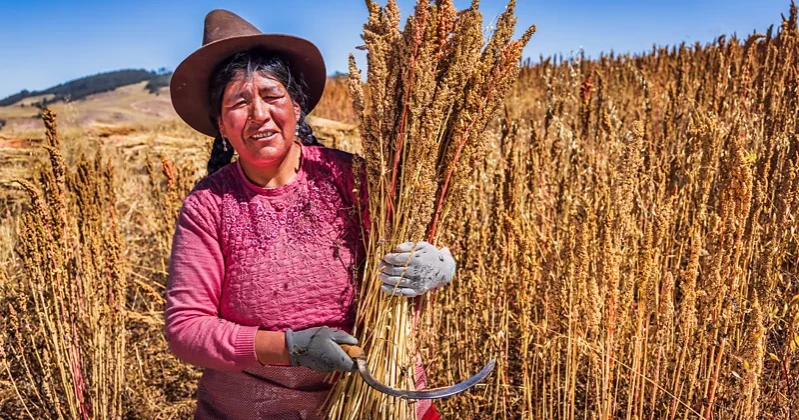
Ancient grains like quinoa and spelt are often promoted as healthier alternatives to modern grains, but scientists say the benefits may not be as clear as widely believed.
Ancient grains refer to crops that have changed very little over hundreds or even thousands of years. Unlike modern grains such as wheat, which have been developed through selective breeding, these older varieties have largely kept their original genetic traits. Recently, they have gained popularity, with many claims suggesting they are richer in nutrients.
However, experts say there is limited evidence to prove that ancient grains are significantly better for health than modern ones.
Grains such as rice, wheat, oats and corn form a major part of diets worldwide, providing carbohydrates, fibre and some protein. Nutritionists recommend that at least half of the grains people consume should be wholegrains. These include all parts of the grain – bran, germ and endosperm – and are rich in fibre, vitamins and minerals.
Wholegrains have been linked to a lower risk of diseases like type 2 diabetes, high blood pressure and certain cancers. But researchers caution that these benefits may also be influenced by overall healthier lifestyles among people who eat more wholegrains.
Ancient grains differ from modern ones mainly in how they have been cultivated. Modern crops have been bred over time for higher yields and better taste, while ancient grains remain closer to their original forms. Examples include spelt and emmer, which date back thousands of years.
Despite their historical value, ancient grains are not widely grown today, as modern varieties are more productive and easier to farm. They are also more suitable for making foods like bread.
One clear advantage of some ancient grains is that they are naturally gluten-free. For example, quinoa and millet can be suitable options for people with gluten intolerance. Some studies also suggest quinoa may help improve early signs of type 2 diabetes, such as lowering blood sugar levels.
Even so, researchers say there is little proof that modern farming has reduced the overall nutritional quality of grains in a major way.
Experts believe the growing popularity of ancient grains is partly driven by hype. While they can be beneficial in certain cases, especially for those avoiding gluten, their overall health advantages may not be significantly different from modern grains.
Instead, nutritionists suggest that the key to a healthy diet is eating a variety of grains, particularly wholegrains, rather than focusing only on whether they are ancient or modern.
“Variety is the best strategy,” experts say, noting that consuming different types of grains helps ensure a wide range of nutrients.
With inputs from BBC