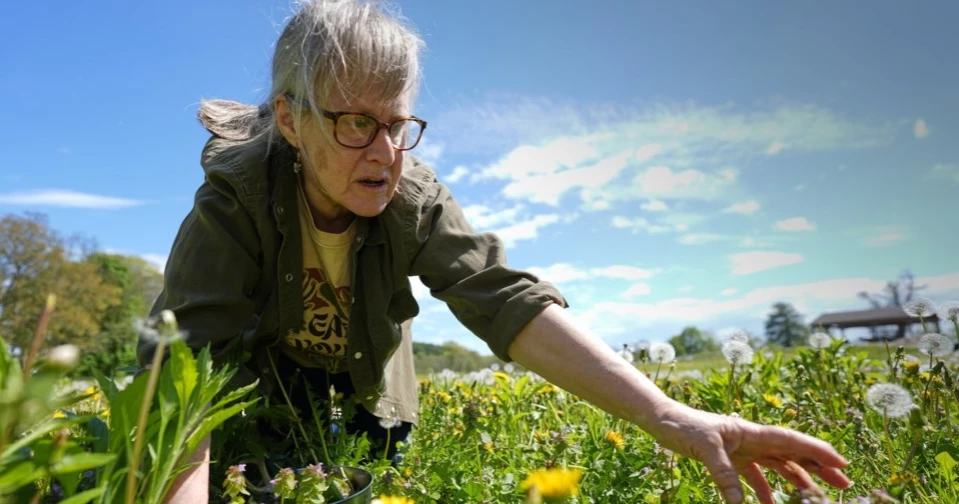
Standing barefoot among a patch of dandelions, Iris Phoebe Weaver eagerly explains the many ways the humble plant can be used in cooking and medicine.
“I picked a bunch of dandelion flowers yesterday and soaked them in vodka with orange peel and sugar to make a dandelion aperitif,” Weaver said. “It will make a delightful mixed drink.”
A seasoned herbalist and foraging instructor from Massachusetts, Weaver leads nature walks that help people reconnect with the environment. She says the growing interest in foraging benefits not only individuals but also communities and the environment.
“There is so much food around us,” she said. “An abundance we often don’t even realize.”
Foraging predates agriculture, which emerged around 12,000 years ago, yet interest in collecting wild mushrooms, edible plants, shellfish, and seaweed has surged recently. Enthusiasts share discoveries on social media, while experienced foragers offer guidance on safe, sustainable practices.
People are drawn to foraging for various reasons—from saving money to reducing environmental impact. Some also explore creative pursuits, like making spore prints from mushrooms. The hobby is widely accessible, with opportunities ranging from urban spaces to forests, provided proper permissions are obtained. Some initiatives even map locations where people can collect fruits and vegetables for free.
Day and night share equal time as fall equinox arrives Monday
Gina Buelow, a natural resources specialist at Iowa University Extension, said mushroom foraging programs have been in high demand for the past two years, regularly reaching attendance limits. Participants include older gardeners as well as younger enthusiasts aged 20 to 30.
Chefs are also fueling interest by introducing diners to locally foraged ingredients. Evan Mallett, owner of Portsmouth’s Black Trumpet Bistro, said, “Foraging is an ancient practice. Our culture had moved away from it, but now it’s returning.” Mallett, who has used locally foraged foods at his restaurant for nearly 20 years, encourages people to learn from mentors to avoid poisonous plants.
At Black Trumpet, foraged items such as Black Trumpet mushrooms, sea kelp in lobster tamales, and sea lettuce in salads have become menu highlights. Longtime customer M.J. Blanchette praised the unique taste and local connection of these dishes.
“It’s exciting, local, and something special,” she said.
Source: Agency