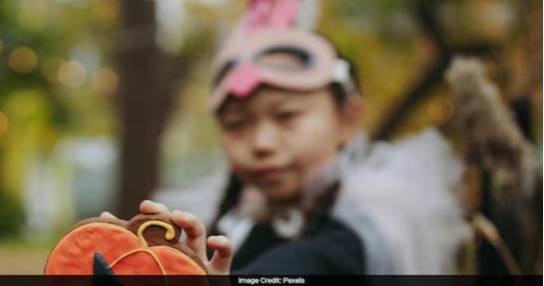
Halloween, observed annually on October 31, is among the most beloved celebrations in the United States. Known for festive costumes, trick-or-treating, themed parties, and creepy decorations, it brings joy to people of all ages. Children and adults alike enjoy transforming into ghosts, witches, vampires, superheroes, or pumpkins as they take part in various community activities.
Historical Background
Halloween traces its origins back over 2,000 years to the ancient Celtic festival called Samhain, which was celebrated in today’s Ireland, northern France, and the United Kingdom. The Celts believed the harvest season ended on October 31 and that on this night, the boundary separating the living and the dead weakened. Spirits were thought to roam the earth, so people lit bonfires and disguised themselves in costumes to drive them away.
Later, when the Romans conquered Celtic territories, they merged Samhain with two Roman observances: Feralia, a day dedicated to remembering the dead, and a celebration honoring Pomona, the goddess of fruit and trees. Because Pomona’s symbol was the apple, games such as bobbing for apples became tied to Halloween customs.
North Carolina Halloween party shooting leaves 2 dead, several injured
In the 8th century, Pope Gregory III designated November 1 as All Saints' Day, also known as All Hallows' Day, to commemorate saints. The previous evening, October 31, evolved into All Hallows’ Eve, and gradually the name transformed into Halloween. Over centuries, Christian practices and Celtic rituals combined to form the holiday celebrated today.
Modern Festivities
A favorite Halloween activity is children dressing up in scary or humorous outfits and visiting houses while shouting, "Trick or Treat!" Neighbors hand out candies and treats, a tradition linked to the ancient Celtic belief that giving food to wandering spirits would bring good fortune.
Pumpkin carving is another iconic part of the celebration. This tradition is rooted in an old Irish tale about Stingy Jack, a man who fooled the devil but was doomed to wander with a glowing coal inside a carved turnip, lighting his path. When Irish immigrants moved to America, they found pumpkins to be a softer and more convenient alternative to turnips. Since then, pumpkins of various sizes, shapes, and even colors have become central decorations in Halloween festivities.
From eerie costumes to glowing jack-o’-lanterns, Halloween continues to evolve while keeping alive the mysterious and playful spirit that has defined it for generations.
With inputs from NDTV