
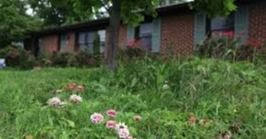
What began as “No Mow May,” a campaign encouraging homeowners to skip mowing in the spring to help pollinators and support soil health, has evolved into a broader year-round movement. For some, the neatly trimmed lawn is a thing of the past.
Variations like “Let It Bloom June” and “Leave the Leaves” in fall are also gaining traction. Environmental and gardening groups promote these low-maintenance practices, saying they can reduce drinking water usage and benefit ecosystems over the long term.
Amanda Beltranmini Healen moved into a well-manicured Nashville home in 2016. Over time, she transformed her yard by planting native species and allowing natural growth in place of constant mowing. Initially, the city objected, even sending her a warning letter. But she pushed back with support from the Cumberland River Compact, which provided signage showing her yard was part of a conservation initiative, not neglect.
Today, Healen mows selectively—keeping areas near the street tidy while letting the backyard flourish with knee- to waist-high native plants. Her yard now hosts wildlife from skinks and insects to birds and deer. "It's full of life," she said, describing the morning birdsong and abundance of animals drawn to her thriving mini-ecosystem.
The No Mow movement, supported by UK-based conservation group Plantlife, questions the American obsession with traditional lawns—imports from European aristocracy. Critics argue lawns consume excessive water and chemicals while offering little biodiversity. According to the EPA, lawn irrigation alone accounts for over 30% of residential water use.
Some skeptics dismiss No Mow May as a fleeting trend, warning it could invite invasive species. But experts like Aaron Steil of the University of Iowa recommend mowing less frequently and incorporating year-round pollinator-friendly plants for lasting impact without violating city codes.
Jason Sprouls of the Cumberland River Compact notes that less frequent mowing allows native plants with deeper roots to thrive, improving soil structure and water retention.
Healen isn’t letting her yard go wild unchecked—she actively manages it by removing harmful species and encouraging beneficial ones.
Similarly, Nashville resident Brandon Griffith started mowing less simply out of convenience. But when he noticed native flowers and pollinators flourishing, he leaned into it, adding more plants intentionally. His garden now attracts neighborhood kids who come to look for butterflies, while his young son enjoys bug-hunting.
“It’s peaceful,” Griffith said. “I like walking around and seeing what’s growing.”