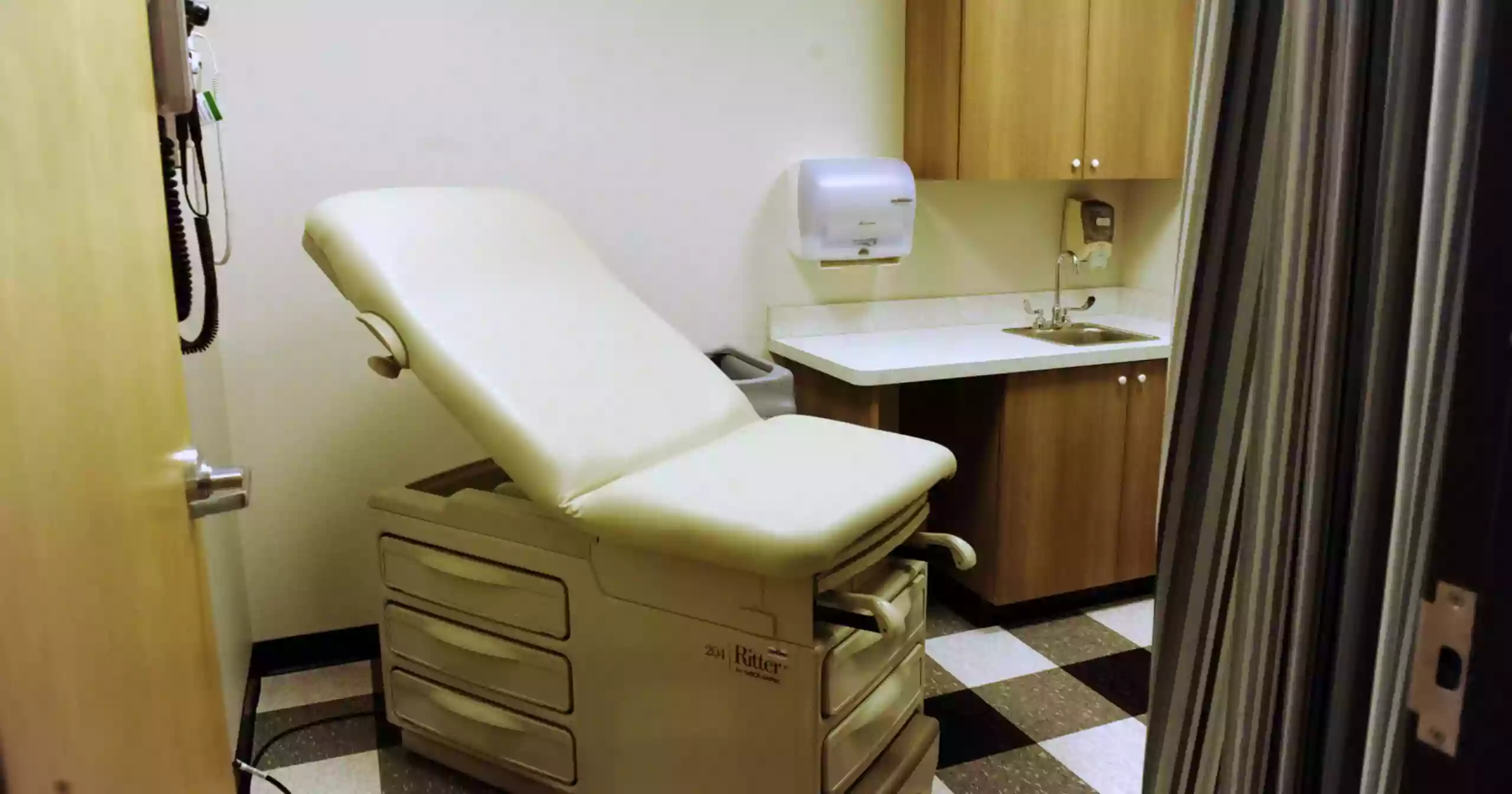
Visiting a doctor can be stressful at any age, with patients often forgetting symptoms, medications, or questions until after leaving the office. Preparing ahead is key to making the most of the time with a healthcare provider.
Dr. Sarah Nosal, president of the American Academy of Family Physicians, said even doctors struggle to remember everything they want to discuss with their own physicians. She advises patients to bring a written list of symptoms and questions, prioritizing the most urgent concerns at the top. “Once you leave the office, you can lose that time,” Nosal said.
Primary care doctors play a central role in overall health. They not only provide preventive care such as vaccinations and screenings, but also monitor chronic conditions, detect emerging health problems, and coordinate referrals to specialists. “Knowing a patient over time helps me recognize what’s normal and what’s changed,” Nosal explained.
Preparation should start at home. Young adults may need help recalling medical history, including past surgeries, hospitalizations, and vaccinations. Updating family health history — such as incidences of diabetes, stroke, or early-onset cancer — can guide preventive care.
Indonesia’s first giant panda cub squeals and squirms in new park footage
Patients should also document all medications, including prescriptions, over-the-counter drugs, vitamins, and supplements, as these can interact. Checking whether recent lab results or records from other providers have been sent to the doctor is also important.
Nosal recommends keeping a running list of questions before the appointment. Specific details about symptoms or health concerns, including mental and sexual health, should be included and presented early during the visit. Patients can share these lists via patient portals or check-in forms.
Asking questions repeatedly is encouraged. Patients should understand the rationale behind a diagnosis and next steps, and it is often helpful to bring a friend or relative to take notes. “Whether you are 20 or 85, you will not remember everything from your medical visit,” Nosal said.
Source: AP