A small town at the foot of Japan’s iconic Mount Fuji is facing unexpected challenges as tourists flock to see cherry blossoms and the mountain’s snow-capped peak. What began with a beautiful photo shared on social media has turned into a source of tension for locals.
Visitors eager to capture the perfect shot of Mount Fuji rising behind a red pagoda quickly filled the peaceful streets of Fujiyoshida. Along with the crowds came complaints of traffic jams, litter, and some tourists entering private homes to use toilets or even relieving themselves in front yards.
The situation became so severe that city officials canceled this year’s annual cherry blossom festival, originally created a decade ago to promote tourism. Masatoshi Hada, manager of Fujiyoshida’s Economics and Environment Department, said, “This area is primarily an ordinary residential neighborhood, where balancing tourism with the safety of residents’ daily life has become difficult. We decided not to promote a festival that would invite more visitors.”
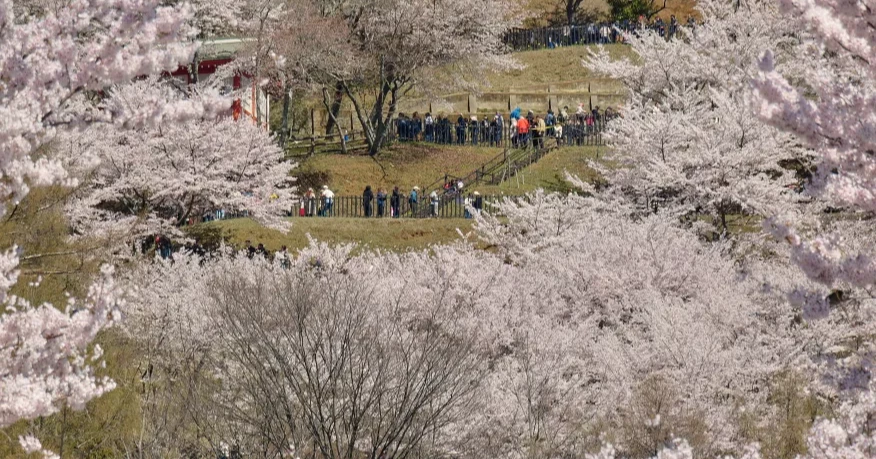
Even without the festival, tourists packed the town on sunny early-April days when cherry blossoms were at their peak. Narrow streets leading to Arakurayama Sengen Park were crowded as visitors lined up to film the world-famous views. In recent years, foreign tourists have exceeded 10,000 per day in the area, a number the city says has “threatened residents’ daily lives.”
Overtourism is not unique to Fujiyoshida. Other popular destinations in Japan, such as Kyoto and Kamakura, have faced similar problems, including congested buses and crowded streets. Locals refer to the issue as “tourism pollution,” which has sparked wider debate as Japan seeks to balance economic growth through tourism with community well-being. The government has set a target to increase annual foreign visitors from 40 million to 60 million by 2030, even as some local communities struggle to cope.
To manage crowds, Fujiyoshida increased security and restricted vehicle access to the scenic neighborhood, asking visitors to reach the park on foot. Security guard Hiroaki Nagayama said, “Some people buy food at stalls and leave litter behind. I think what’s happening here is a typical example of overtourism.” Residents also expressed mixed feelings. Ninety-three-year-old Hitoshi Mori said, “Having many visitors is good but annoying. It’s too crowded, so I can only shop once a week.”
Tourists, meanwhile, continue to enjoy the views despite the crowds and strict rules. Lisa Goerdert from Paris said, “It was amazing. We had only a few minutes to take pictures, but it was worth it.”
Overtourism has divided locals. Some have opened businesses like shops, food stalls, and toll parking, while others long for quiet. Masami Nakamura, a school uniform shop owner, said, “I hope tourists respect our rules and manners.” Meanwhile, hotel employee Kyoko Funakubo, who also sells Fuji-themed souvenirs, said the influx has brought new life to previously quiet streets.