The Sundarbans, the world’s largest mangrove forest, stands as a vital natural barrier along the coast, protecting millions of people from cyclones, storm surges, and rising sea levels.
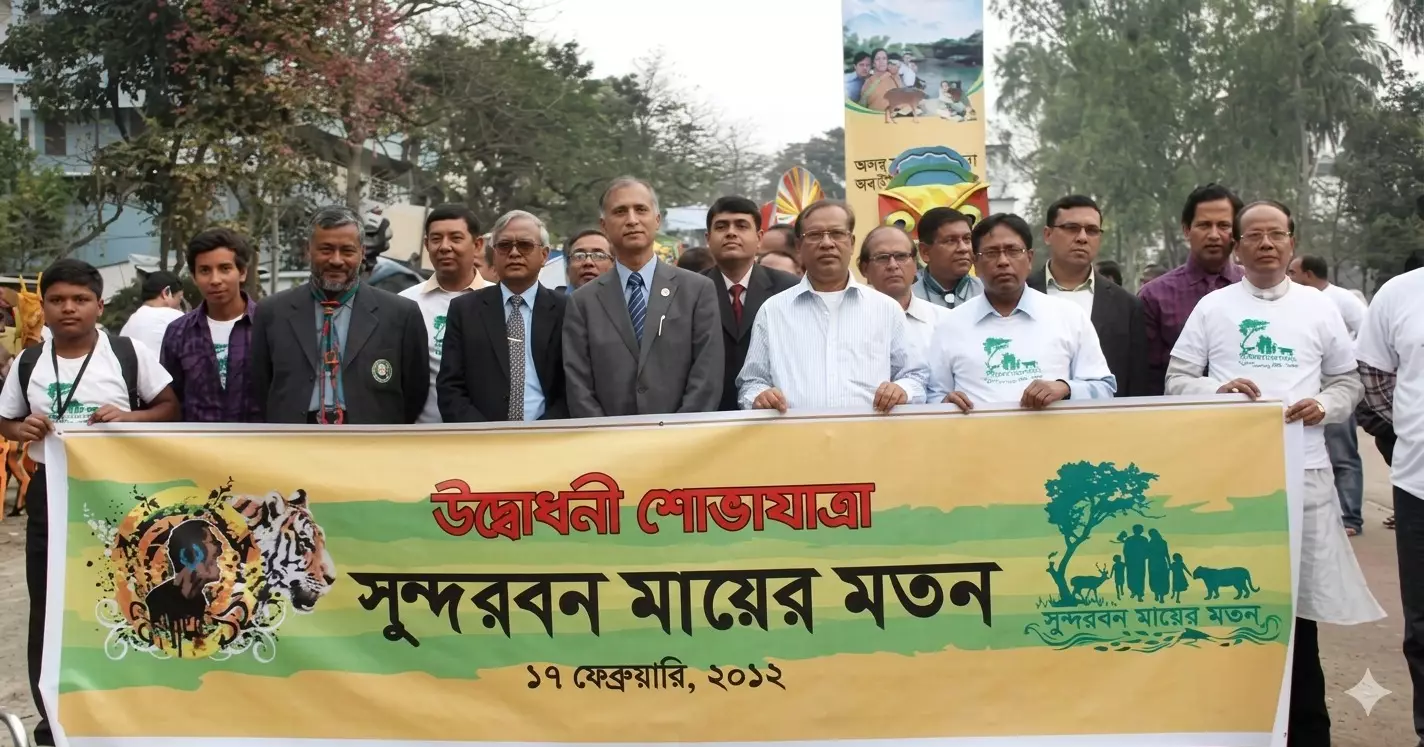
Often likened to a nurturing mother, this unique ecosystem not only endures harsh environmental conditions but also shields vulnerable communities from the increasing threats of climate change.
Beyond its protective role, the Sundarbans supports rich biodiversity and sustains local livelihoods, making its preservation crucial for both people and nature.
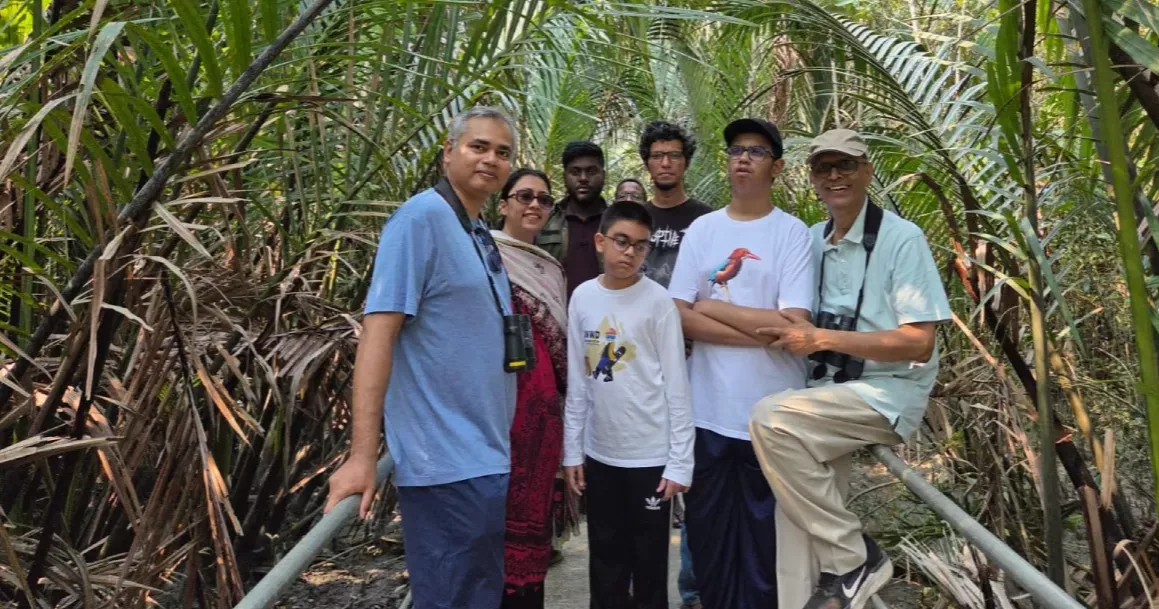
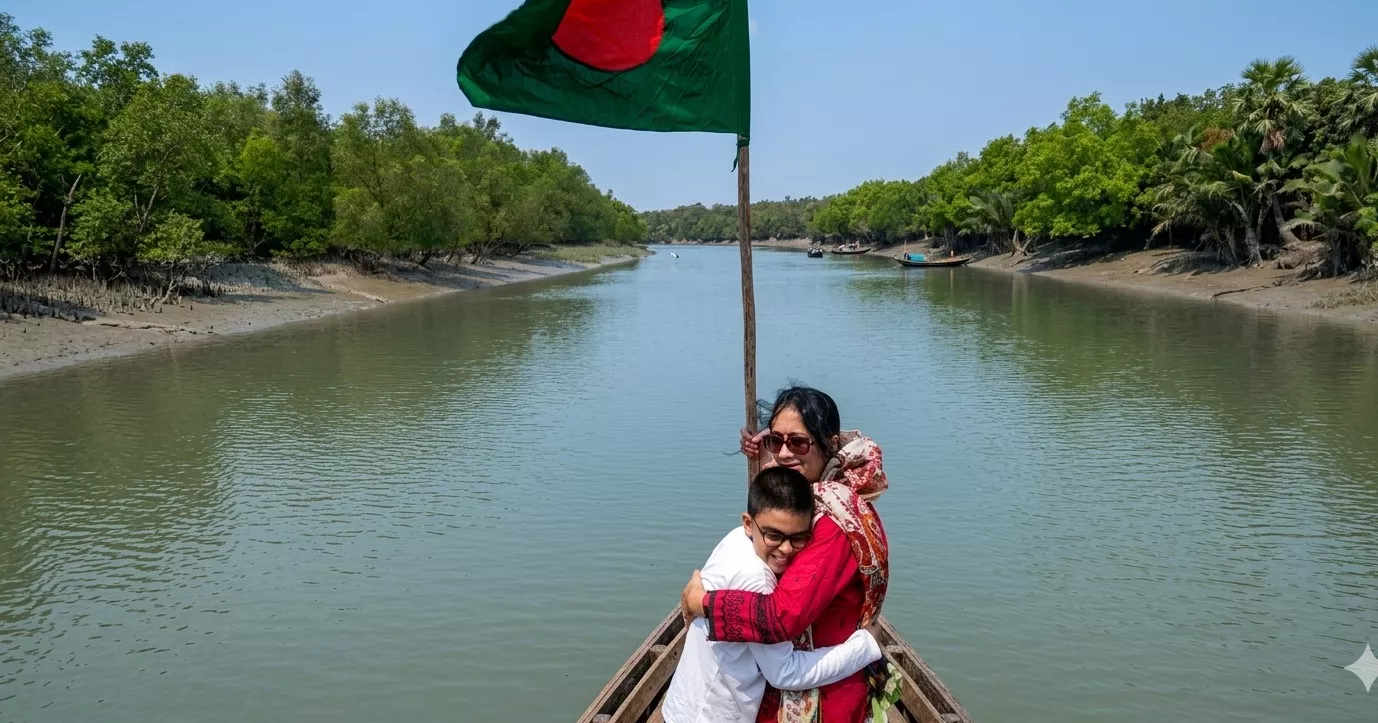
Recently, I have been to the Sundarbans with my grandsons, Tanzif and Tawfeeq, and their parents, Shahrin and Asif, and came back on the 26th instant. It took me quite a while to convince my daughter that it’s much more rewarding to visit the Sundarbans than Cox’s Bazar! I was referring to her perceptions of people who have visited the Sundarbans.
I was wondering what the Sundarbans meant to our younger generations and discovered Samia Jahan Shefa ([email protected]), a student of the Department of Genetic Engineering and Biotechnology, Jashore University of Science and Technology, between her lines. Samia, on June 3, 2024, wrote to the editor of the Financial Express:
“The Sundarbans, the largest mangrove forest in the world, is like our mother who endures adversity but protects us. It safeguards the coastal areas, offering protection from Nature's fury. In recent memory, two of the deadliest super cyclones—Sidr in 2007 and Aila in 2009—hit the coastal areas of Bangladesh. After these devastating cyclones, other severe storms made landfall, including Fani and Bulbul in 2019, Amphan in 2020, and Yaas in 2021. Each time, the protective Sundarbans played the role of a saviour against Nature's ferocity. It was no different at the time of Remal. The Sundarbans, our first line of defence against natural disasters, once again safeguarded the nation from Cyclone Remal. It saves us but pays a heavy price in terms of the forest's ecosystem, wildlife, and biodiversity. The flora and fauna of the forest sacrifice their lives to save us. ……………….. If the Sundarbans survive, Bangladesh will survive, as it takes care of us. But who will take care of it? Bangladesh aims to be a developed country by 2041. What will be the condition of the Sundarbans then? Will it become a scapegoat for ‘development’? We don't want a developed Bangladesh at the cost of destroying our ‘saviour mother,’ the Sundarbans.”