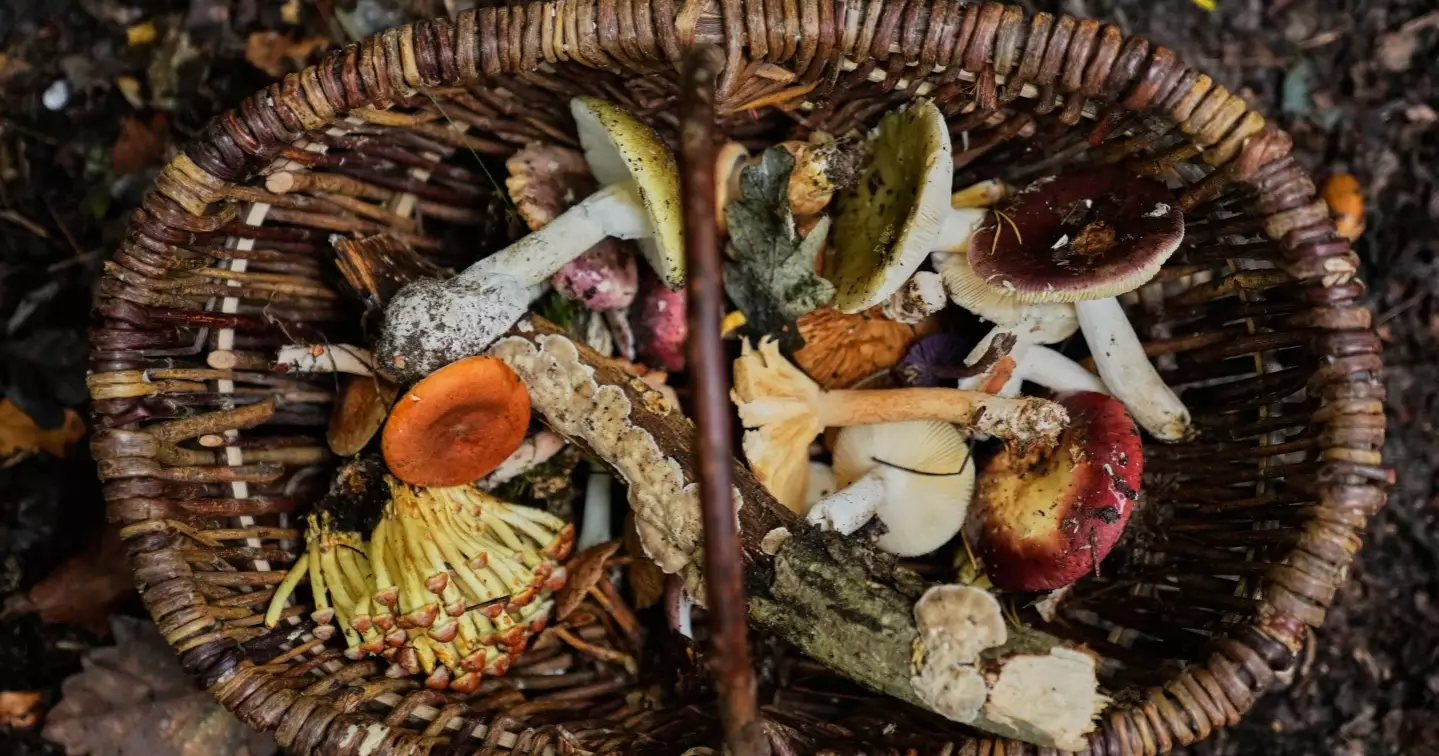
Deep in a beech and oak forest near Potsdam, renowned mushroom expert Wolfgang Bivour emptied a basket of freshly picked fungi onto the autumn leaves — a mix of porcini, bay boletes, and honey mushrooms, along with a few deadly green death caps.
Bivour, one of Germany’s most celebrated mushroom connoisseurs, stood surrounded by 20 eager participants — university students, retirees, and even a young family from China — explaining each species’ traits, from their flavors to their dangers.
Across Germany, mushroom hunting is experiencing a renaissance, as more people venture into forests to reconnect with nature. The trend, experts say, has been fueled by pandemic-era lockdowns that sent people outdoors, a growing interest in vegan diets, and a surge in awareness about the medicinal uses of fungi.
While rural Germans have long kept the tradition alive, urban residents are now rediscovering its appeal.
After World War II, mushroom foraging was a necessity for many Germans struggling with food shortages. But the practice waned during the economic boom of the 1950s. Now, decades later, social media has helped bring it back — with images of colorful mushrooms going viral and transforming an old pastime into a fashionable hobby.
Bivour, 75, a retired meteorologist who has led mushroom tours in the Potsdam region for more than 50 years, said his sessions are “not primarily about filling baskets” but about “teaching people the role mushrooms play in ecosystems and biodiversity.”
Hospitals sometimes call on him to identify mushrooms in poisoning cases. During his tours, he identifies species by their German and Latin names, discusses their medicinal properties, explains how to cook them, and invites participants to smell or taste safe varieties.
According to Karin Flegel, managing director of Urania — the local institution organizing Bivour’s tours — demand for his workshops has surged. “His classes fill up instantly. We’ve noticed a huge increase in interest,” she said.
Bivour now shares his expertise through books, social media, and his popular Pilz-Podcast — “pilz” meaning mushroom in German.
Still, many newcomers remain cautious. Poisonous mushrooms such as the green death cap — easily mistaken for the common store-bought button mushroom — cause several deaths each year, often among newcomers and immigrants unfamiliar with local species.
Tim Köster, a 25-year-old student from Berlin, joined Bivour’s tour to learn the difference. “I’ve never foraged before,” he admitted. “I’d like to find my own porcini one day, but I’m not confident yet.”
He plans to take any future finds to an expert for identification — a service often offered at local markets and community centers during the autumn mushroom season.
For Margit Reimann, 42, who joined the tour with her mother, the experience was eye-opening. “I didn’t realize how many edible varieties there are,” she said. Still, she plans to stick to familiar types like porcini, slippery jacks, and bay boletes.
“I think many mushrooms could be a real culinary treat,” she added, “but I still don’t fully trust myself.”
Source: AP