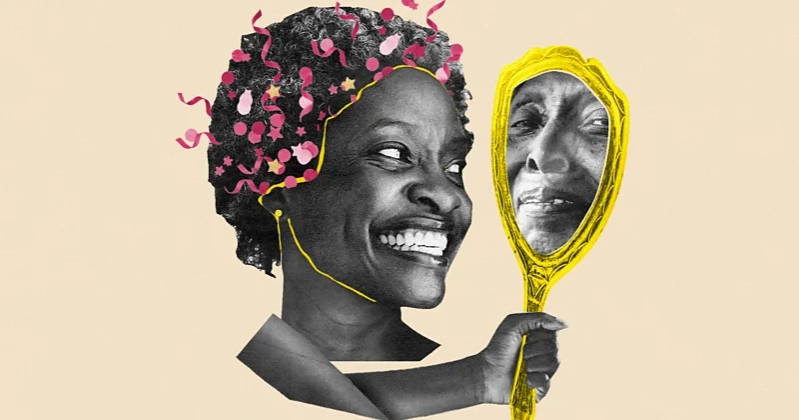
Research suggests that having a positive view of ageing can help people feel younger, stay healthier and even live longer, highlighting the harmful effects of ageism on physical and mental wellbeing.
The World Health Organization says ageism influences how people think, feel and act towards others and themselves based on age, often in damaging ways. Experts argue that challenging these attitudes is essential not only for social equality but also for better health outcomes.
Studies show ageism can affect people of all ages, but older adults experience it most frequently. In the UK, one in three people report facing age-based discrimination, while a US study found that more than 90 percent of adults aged between 50 and 80 experienced everyday ageism, often through negative messages they had internalised over time.
Researchers say such attitudes often develop early in life, shaped by family beliefs, media portrayals and social norms. According to scientists, negative language around ageing – such as portraying older populations as a burden – can influence how people perceive growing older and how they live their lives.
Experts warn that ageism can become a self-fulfilling cycle. Older adults who internalise stereotypes may lose confidence, avoid learning new skills or limit physical activity, even when they are capable. This can lead to poorer mental health, reduced physical performance and social isolation.
However, evidence suggests the opposite is also true. People with positive beliefs about ageing tend to feel younger than their actual age and report higher life satisfaction. A long-term study in the United States found that individuals with positive views of ageing lived an average of seven and a half years longer than those with negative perceptions.
Researchers also found links between positive ageing attitudes and better brain health, including stronger memory and lower risk indicators associated with Alzheimer’s disease.
Experts stress that ageing should not be seen as a decline, but as a success of modern healthcare. While some older people face complex health challenges, the majority remain independent, active and engaged in their communities.
Social scientists say tackling ageism requires change at both cultural and personal levels. Encouraging contact between generations, challenging stereotypes in families and media, and promoting diverse representation of older adults can help reduce prejudice.
In many cultures, older people are respected as sources of wisdom and experience. Researchers say such values, along with strong social connections and community support, play an important role in healthy ageing.
Experts argue that ageing is a privilege, and embracing it with a positive mindset can improve quality of life for individuals and society as a whole.
With inputs from BBC