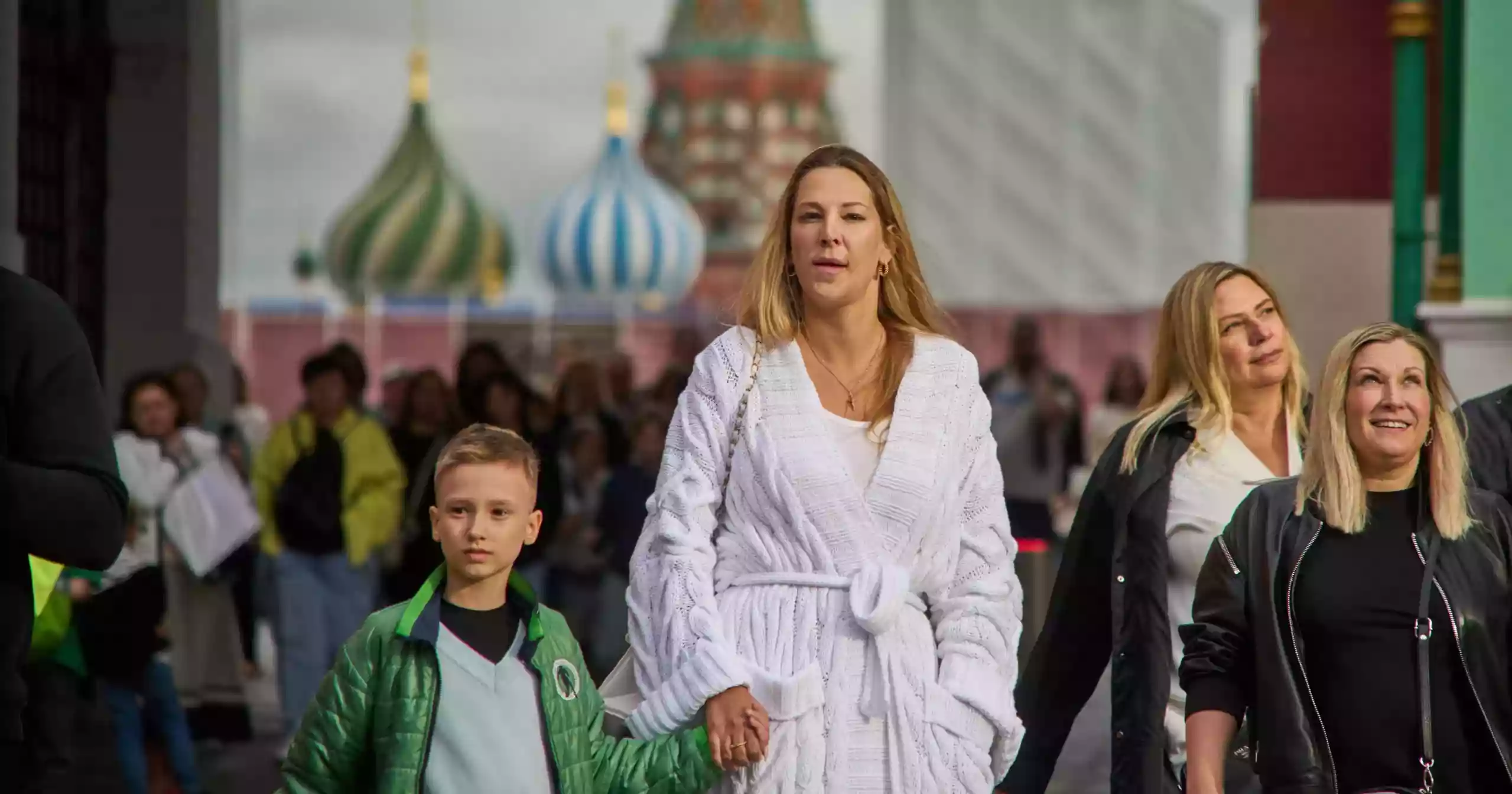
President Vladimir Putin has spent his 25 years in power confronting Russia’s worsening demographic crisis, as the country battles a shrinking and aging population amid war, economic uncertainty and a migration exodus.
The number of babies born in Russia hit a record low in 1999, just before Putin took power, and despite periodic improvements births have again fallen sharply. Speaking at a Kremlin demographic conference on Thursday, Putin called boosting births “crucial” for the nation’s future.
Over the years, he has introduced policies to encourage bigger families, including free school meals for large households and reinstating Soviet-style “hero-mother” medals for women who raise at least 10 children.
“Many of our grandmothers and great-grandmothers had seven, eight, and even more children,” Putin said in 2023. “Let’s preserve and revive these wonderful traditions.”
Births initially rose alongside economic gains, from 1.21 million in 1999 to nearly 1.94 million in 2015. But the progress has slipped away as Russia faces declining living standards, the war in Ukraine and resistance to immigration.
Russia’s population has dropped from 147.6 million in 1990 to about 146.1 million this year, including Crimea’s population since its illegal 2014 annexation. The population is also rapidly aging: 30% are now 55 or older, compared to 21.1% in 1990. Deaths exceed births, and only 1.22 million babies were born last year, barely above the 1999 low. Demographer Alexei Raksha recently reported February 2025 saw the lowest monthly birth figure in more than 200 years.
Bangladesh faces a challenge in ensuring welfare of its aging population
War casualties and emigration have deepened the demographic gap, particularly among young adults.
“You’ve got a much-diminished pool of potential fathers in a diminished pool of potential mothers,” said analyst Jenny Mathers. Putin has long tied population strength to national security, she noted.
To reverse declining births, Russia is embracing what it calls “traditional family values.” That has led to laws banning promotion of abortion and “child-free ideology,” along with a sweeping crackdown on LGBTQ+ rights.
Officials view these values as a “magic wand,” said feminist scholar Sasha Talaver, arguing the state expects women to bear children “in the name of patriotism and Russian strength.”
Some social benefits remain popular, such as parental cash certificates used for education or subsidized mortgages. Others spark debate, including one-time payments to pregnant teenagers in some regions.
New symbolic initiatives include Family, Love and Fidelity Day and a state holiday celebrating pregnant women. Still, Russia’s fertility rate stands at just 1.4 children per woman, below the replacement rate of 2.1.
Access to abortion is increasingly restricted. Private clinics have stopped offering the procedure, pills are harder to obtain, and mandatory waiting periods have lengthened. Critics warn the crackdown will drive abortion underground.
“The only thing you will get from this is illegal abortions. That means more deaths,” said journalist and activist Zalina Marshenkulova.
Immigration could bolster the population, but tightening controls and surging anti-migrant sentiment push away workers from Central Asia, long a source of labor.
Experts say no set of incentives can overcome the uncertainty of wartime Russia.
“When people lack confidence about their prospects, it's not a time for having children,” Mathers said. “An open-ended major war doesn’t really encourage people to think positively about the future.”
One 29-year-old Moscow woman who has chosen to remain child-free said stability matters most. “The happiest and healthiest child will only be born in a family with healthy, happy parents,” she said.
Source: AP