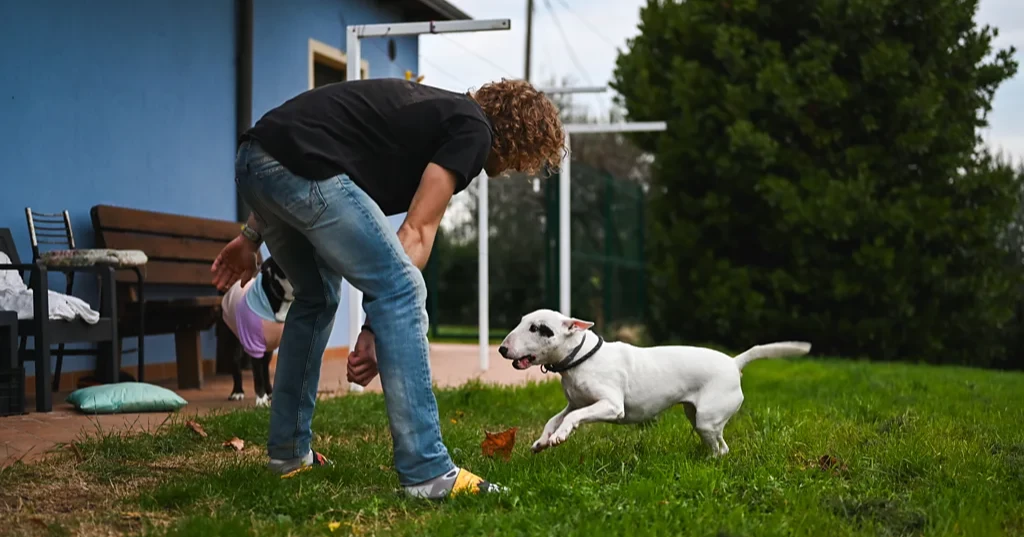
Brief, high-intensity bursts of everyday activity, such as running up stairs, power walking around the house, or playing actively with children and pets, can deliver substantial health benefits and may even extend lifespan, according to recent research.
Known as vigorous intermittent lifestyle physical activity (VILPA) or “exercise snacking,” this approach is gaining attention as an accessible alternative to conventional exercise routines. Experts say it allows people to achieve health gains without spending hours at the gym or meeting the traditional 10,000-steps-a-day target.
Mark Hamer, professor of sport and exercise medicine at University College London, explained that VILPA was inspired by studies tracking people who did not perform structured exercise but still accumulated significant movement in short bursts during daily life. “Much of this movement was accrued in very short chunks,” Hamer said, noting the term “microbursts” to describe such activity.
Research involving over 25,000 participants in the UK revealed that just three to four one-minute VILPA sessions per day can lower the risk of premature death by 40% and cardiovascular-related death by nearly 50%, compared with sedentary individuals. Even four minutes of daily microbursts can offset some risks associated with a sedentary lifestyle.
Matthew Ahmadi, a postdoctoral fellow at the University of Sydney, emphasized that VILPA not only improves heart health but also helps prevent frailty in older adults. Amanda Daley, professor of behavioural medicine at Loughborough University, highlighted the approach’s accessibility, noting it requires only a few minutes multiple times a day, making it suitable for busy adults.
Simple examples of VILPA include carrying shopping bags with added effort, briskly climbing stairs, or performing household chores with more energy. Research indicates that even small daily bursts of activity can reduce cancer risk by 17–18% and stimulate beneficial physiological processes affecting metabolism and cardiovascular health.
Experts stress that VILPA aligns with a broader public health message: any movement is better than none. While global inactivity remains a concern, microbursts of activity provide a practical way for individuals to improve fitness and reduce chronic disease risk, even if they cannot commit to structured exercise sessions.
Hamer added that promoting short, frequent bursts of activity could help people gradually build towards the recommended 150 minutes of moderate-intensity exercise per week, reinforcing a culture of daily movement.
In practice, VILPA encourages simple lifestyle adjustments: taking the stairs instead of the lift, walking faster while running errands, or engaging in high-energy play with children or pets, all of which can contribute to a healthier, longer life.
With inputs from BBC