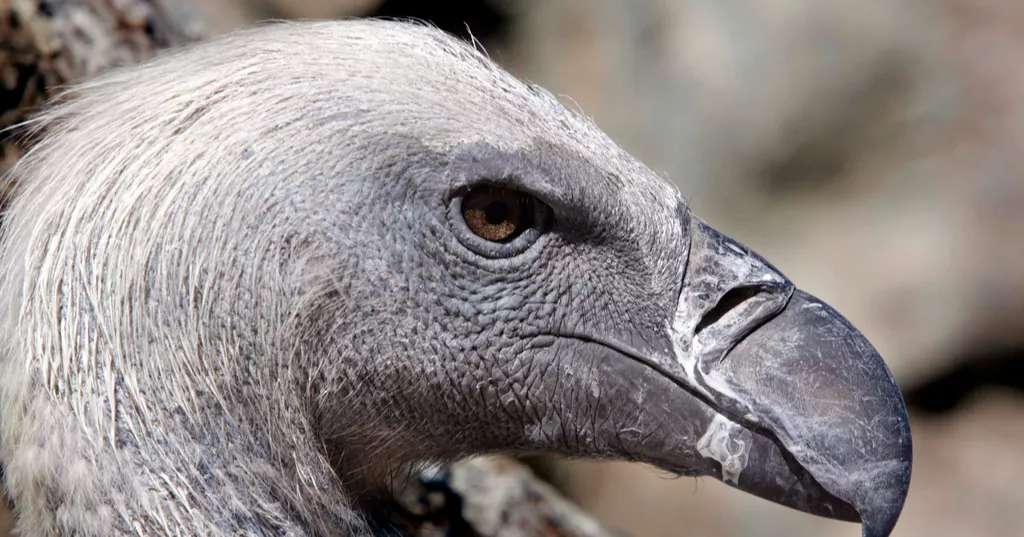
Vultures tend to have a bad reputation. Commonly seen as unattractive and associated with death, they're often among the least appreciated animals. But conservationists in Africa are working to shift that perception.
They're highlighting the crucial role vultures play in the environment—along with their economic value—to help protect these endangered birds.
A recent BirdLife International report estimates that vultures contribute $1.8 billion annually to ecosystems in southern Africa. This surprising figure reflects their essential work in cleaning up carcasses, controlling pests, and supporting anti-poaching efforts.
“They might not be the most attractive or popular animals, but they’re incredibly important,” said Fadzai Matsvimbo, extinction prevention coordinator at BirdLife International.
This report comes at a critical time—six out of 11 African vulture species are classified as endangered or critically endangered by the International Union for Conservation of Nature. In some regions, populations have plummeted by nearly 90%, Matsvimbo noted.
By raising awareness through the report, conservationists hope both the public and decision-makers will begin to understand vultures’ ecological value.
The research focused on Botswana, Zambia, and Zimbabwe, where vultures were shown to quickly clean up carcasses, helping prevent disease and reducing pests like rats and stray dogs, benefiting local communities.
Vultures also have powerful digestive systems that allow them to consume harmful bacteria and toxins—including anthrax and botulism—that would be lethal to other animals. This week alone, over 50 hippos reportedly died from suspected anthrax in a Congolese reserve, underscoring the vulture’s unique ecological role.
“Vultures are nature’s top-tier sanitation workers,” said Matsvimbo. She also pointed to India’s vulture population collapse, which triggered a public health crisis. A study found that half a million people in India may have died due to the resulting rise in infections.
In Africa, vultures are also valuable to wildlife rangers, acting as indicators of dead animals and helping track poaching activity. They’ve even helped farmers locate lost or injured livestock.
As scavengers that feed only on dead animals, vultures are especially vulnerable to poisoning—either deliberately by poachers or accidentally from pest control efforts. One poisoned carcass can kill hundreds of vultures.
Other threats include power line collisions and killings tied to superstitions. Some believe vultures have clairvoyant abilities, leading to the use of their body parts in traditional medicine, especially their heads.
Kerri Wolter, CEO of the South African-based VulPro vulture rehab center, works to rescue and release injured birds. She says vultures’ sharp eyesight and keen instincts have led to beliefs that they can predict death.
“Our mission is to shift perceptions,” said Wolter. “We want people to see vultures and think, 'wow, that’s an amazing creature.’”
Both Wolter and Matsvimbo blame pop culture for contributing to vultures’ bad image. Hollywood often portrays them as evil, Wolter said—comparing it to the negative impact Jaws had on public opinion of sharks.
“I love The Lion King, but every time vultures show up, it breaks my heart,” said Matsvimbo. “They’re always the villains. I’ve got a bone to pick with those filmmakers—no pun intended.”