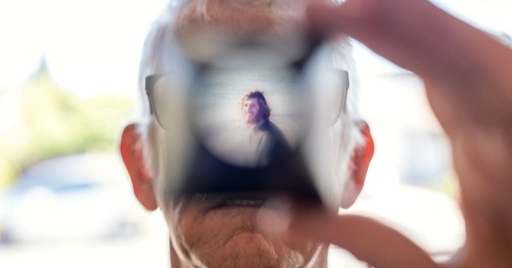
Christy Morrill calls it “my year of unraveling.” In 2020, the 72-year-old’s immune system suddenly turned on his brain, a condition known as autoimmune encephalitis, leaving him unable to recall decades of personal memories. While he can still remember general knowledge, family events and pivotal moments—like his son’s wedding—vanished.
Autoimmune encephalitis occurs when the body’s immune system attacks the brain, causing confusion, memory loss, seizures, and sometimes psychosis. It can strike seemingly healthy people without warning. Diagnosis has improved as doctors identify specific antibodies in blood or spinal fluid that target brain cells. Treatments include high-dose steroids, antibody removal, and immune-modulating therapies, though clinical trials are exploring more targeted approaches.
Morrill’s case, LGI1-antibody encephalitis, is most common in men over 50 and affects memory centers in the brain. He gradually recovered daily functioning but lost decades of autobiographical memories. He found solace in haiku and now leads an Autoimmune Encephalitis Alliance support group, sharing his journey with others.
Other patients, like Kiara Alexander of North Carolina, also experience sudden onset. Alexander’s disease was triggered by an ovarian cyst producing antibodies. Rapid diagnosis and cyst removal, alongside treatment, allowed her to regain health, though recovery took over a year.
Doctors emphasize early detection, as symptoms can mimic psychiatric or neurological disorders, delaying treatment. Increasing awareness is critical. According to neurologists, more than two dozen antibodies are now linked to autoimmune encephalitis, and research continues to expand understanding.
For Morrill, five years later, life includes making new memories with his grandchildren and enjoying the outdoors. Despite the loss, he says, “I wasn’t shooting for that. I just wanted to be alive.”
Autoimmune encephalitis underscores the delicate balance of the immune system and the profound ways it can shape personhood, memory, and identity. Patients and caregivers are finding ways to adapt, share, and rebuild life, even as science seeks better, more precise treatments.