
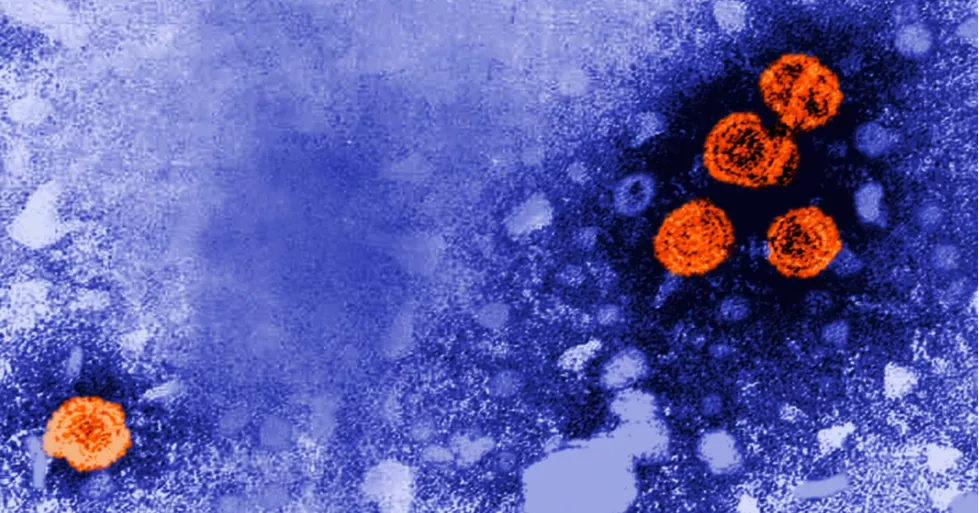
A new experimental drug for hepatitis B has shown encouraging results, allowing some patients to stop treatment without the virus returning — a condition researchers describe as a “functional cure.”
In two international clinical trials, around 20% of patients who received the drug were able to reduce the virus in their bodies to very low levels, allowing their immune system to keep it under control even after stopping treatment.
Researchers presented the findings at a scientific meeting in Barcelona, Spain, and the results were also published in the New England Journal of Medicine.
Dr. Seng Gee Lim of the National University Health System in Singapore, who helped lead the studies, said the results mark an important breakthrough. “We have not had a treatment that reaches this level of cure before,” he said.
The drug, called bepirovirsen also known as “bepi” — was developed by GlaxoSmithKline (GSK) and Ionis Pharmaceuticals. It is currently under fast-track review by the US Food and Drug Administration, with a decision expected in October. Regulators in Japan, China and Europe are also reviewing it.
Hepatitis B is a serious liver infection spread through blood and bodily fluids, including from mother to child during birth. While a vaccine can prevent infection, more than 250 million people worldwide live with chronic hepatitis B, including about 1.7 million in the United States.
For many patients, current treatments involve lifelong daily medication that controls the virus but does not fully eliminate it, as the virus can remain hidden in the body and return if treatment stops.
The new drug works by targeting the virus’s genetic material, reducing its ability to multiply and lowering levels of a key viral surface protein. It also helps activate the immune system, according to GSK.
In the trials, 1,838 patients were given either the experimental drug or a placebo injection once a week for six months, along with their regular medication. Those who maintained undetectable virus levels for six months after stopping the injections were also able to stop their standard pills.
About one in five patients who received the drug achieved a “functional cure,” meaning the virus remained undetectable for another six months after all treatment ended. None of the placebo group achieved this outcome.
Researchers found that patients who had lower levels of the viral surface protein at the start of the study were slightly more likely to respond successfully, and further studies are underway to understand why the drug works better in some patients than others.
Early follow-up data suggest the effect may last longer in some cases, with a small group of patients still doing well up to three years later.
Reported side effects included mild pain or redness at the injection site and temporary increases in liver enzymes.
Experts caution that more research is needed, especially since the trials did not include patients with advanced liver disease such as cirrhosis.