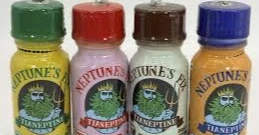
Health experts are urging the public to be cautious about small, colorful bottles often sold at gas stations, convenience stores, and smoke shops.
These products, sometimes nicknamed “gas station heroin,” are typically marketed as energy boosters or brain supplements, but they actually contain tianeptine — a drug not approved for use in the U.S. that can be addictive and pose serious health risks.
Poison control centers across the country have been receiving more and more calls about tianeptine for over a decade. Just last month, the FDA issued a warning to healthcare professionals, highlighting the serious dangers associated with these products.
What Are These Products?
Tianeptine is approved in several countries as a prescription antidepressant, usually taken in small doses multiple times a day. However, the FDA has never approved it for any medical use in the U.S. It is also illegal to include tianeptine in foods or dietary supplements — something the FDA has warned companies about repeatedly.
Despite this, some companies continue to sell tianeptine-based products under brand names like Zaza, Tianaa, Pegasus, and TD Red. These products often fly under the radar due to the lack of strict pre-approval regulations for supplements.
“These supplements exist in a legal gray zone,” said Dr. Diane Calello of the New Jersey Poison Information and Education System. “They’re not tested or regulated like real medications.”
Dr. Calello and her team studied a cluster of emergency room cases in New Jersey linked to a product called Neptune’s Fix. Patients who used it experienced symptoms such as anxiety, rapid heart rate, low blood pressure, and seizures — with most needing intensive care.
Why Do People Use It?
Tianeptine products often claim — without scientific backing or FDA approval — to help treat addiction, pain, depression, and anxiety.
Back in 2018, the FDA sent a warning letter to the maker of Tianna, a product that advertised itself as a solution for opioid cravings.
While tianeptine isn’t technically an opioid, it interacts with some of the same brain receptors and can mimic effects similar to oxycodone. Like opioids, it can also cause dangerous side effects such as slowed breathing.
“This is how people get into trouble,” said Dr. Hannah Hays of Nationwide Children’s Hospital. “They use it to cope with withdrawal or pain, but it can suppress breathing and lead to serious complications.”
Dr. Hays advises anyone struggling with addiction or mental health issues to consult a medical provider and pursue FDA-approved treatment options.
Is Tianeptine Use Increasing?
Although exact numbers are hard to pin down, emergency calls related to tianeptine have risen sharply.
Between 2018 and 2023, poison control centers reported a 525% increase in tianeptine-related calls. Nearly 40% of those cases required medical attention, and over half of those patients needed critical care.
This spike is partly due to more people using these products, but experts also point to increasing potency and the presence of other drugs in these products. The team that analyzed Neptune’s Fix found it also contained synthetic cannabinoids and other harmful substances.
“You never really know what’s in the bottle,” said Dr. Calello. “Even if someone used it before without issues, the next bottle could be dangerously different.”
What’s Being Done?
Tianeptine isn’t listed under the federal Controlled Substances Act, which governs drugs like heroin and LSD. However, around a dozen states — including Alabama, Michigan, Ohio, Georgia, and Tennessee — have passed laws banning or restricting it.
While these bans have triggered withdrawal symptoms in some users, states like Alabama have seen a reduction in health emergencies tied to the drug. For example, after Alabama restricted tianeptine in 2021, the number of related poison control calls began to decline — even as calls continued rising in nearby states.