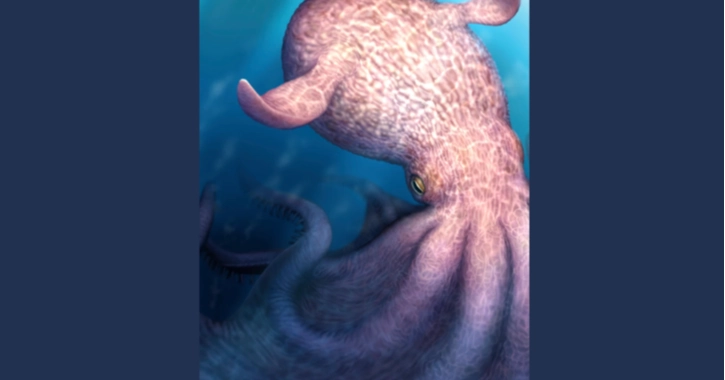
A giant octopus resembling a mythical kraken may have been one of the top ocean predators during the age of dinosaurs around 100 million years ago, according to new research based on fossil evidence.
Scientists reanalysing fossilised jaws suggest that these ancient octopuses had eight arms and elongated bodies that could grow between 23 and 62 feet (7 to 19 metres), potentially rivaling large marine reptiles such as sharks, mosasaurs and plesiosaurs that dominated the Late Cretaceous seas.
“These krakens must have been a fearsome sight to behold,” said University of Alabama paleontologist Adiel Klompmaker, who was not involved in the study.
Chile telescope captures stunning new view of Sombrero galaxy
Researchers examined 15 fossilised octopus jaws discovered in Japan and Canada’s Vancouver Island, and identified 12 additional specimens in Japan using a method called digital fossil mining, which scans rock layers in detail to detect hidden fossils.
The findings, published Thursday in the journal Science, showed that the largest jaws were bigger than those of any modern octopus. Co-author Yasuhiro Iba of Hokkaido University noted that wear marks such as scratches and chips indicated these creatures repeatedly crushed hard prey like shells and bones.
Scientists believe the octopuses likely used their flexible arms to capture prey such as fish and snails, breaking them apart with their strong beaks made of chitin.
However, without preserved stomach contents, their exact diet and ecological role remain uncertain.
Paleontologist Neil Landman of the American Museum of Natural History, who was not involved in the study, said further fossil discoveries worldwide are needed to better understand ancient marine ecosystems.
“It’s a big old planet,” he said, noting that much remains to be learned about prehistoric ocean life.