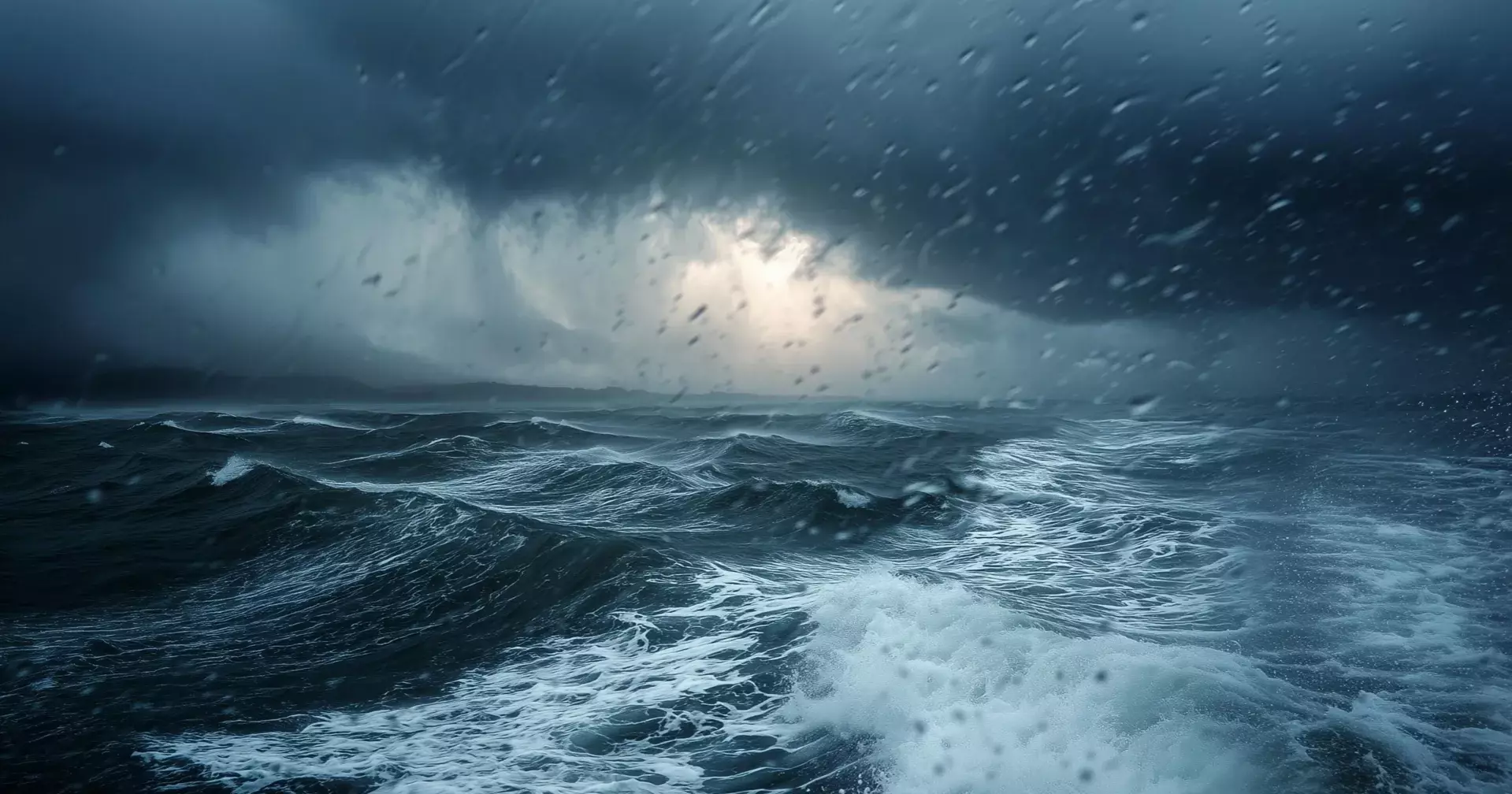
The Southern Ocean is getting wetter as climate change intensifies, with scientists saying storms are now delivering heavier rainfall, a shift that could have global climate impacts.
A new study focusing on remote Macquarie Island located between Tasmania and Antarctica — shows a clear rise in rainfall over recent decades. The island, known for its dense wildlife including elephant seals, king penguins and albatrosses, is also showing visible environmental changes, with boggy terrain expanding and native plant species declining.
Researchers say the island’s long-term weather records, among the few in the Southern Ocean region, reveal that annual rainfall has increased by about 28% since 1979, equal to roughly 260 millimetres of extra rain each year.
The study, published in ‘Weather and Climate Dynamics’, is based on 45 years of daily observations compared with climate data from the ERA5 system. Scientists found that most of the increase is not due to more storms, but because existing storms are becoming more intense in terms of rainfall.
Weather patterns linked to low-pressure systems and warm, moisture-laden air were found to be delivering heavier downpours, while overall storm frequency remained relatively stable.
Scientists say the Southern Ocean storm track has gradually shifted closer to Antarctica, influencing rainfall patterns around Macquarie Island. However, they stress that the main driver is stronger moisture content in storms rather than increased storm numbers.
The findings also show a gap between observed data and climate models, with ERA5 reanalysis detecting only about an 8% rise in rainfall compared to the 28% recorded on the island.
Researchers warn that if similar changes are occurring across the wider Southern Ocean, the consequences could be significant for the global climate system.
More rainfall means more freshwater entering the ocean’s surface, which can reduce mixing between water layers and affect ocean currents. The study estimates that by 2023, extra rainfall may have added about 2,300 gigatonnes of freshwater annually across the high-latitude Southern Ocean — far more than recent meltwater from Antarctica.
Changes in ocean salinity could also disrupt the movement of carbon and nutrients, potentially affecting one of the world’s largest natural carbon sinks.
The study further suggests that increased evaporation is needed to drive the heavier rainfall, meaning the Southern Ocean is losing more heat to the atmosphere — similar to how sweat cools the human body.
Researchers estimate the ocean’s heat loss through evaporation has increased by around 10–15% since 1979.
They describe the Southern Ocean as effectively “sweating” more as the planet warms.
Scientists say Macquarie Island’s data offers a rare and important warning sign, and further research is needed to understand how widespread these changes are across the Southern Ocean and what they could mean for global climate patterns in the future.
Source: Science Daily