For the first time in over seven years, the heads of the U.S. and Russian space agencies met in person to discuss continued collaboration on the International Space Station (ISS) and future lunar exploration.
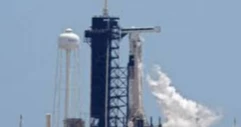
Dmitry Bakanov, director of Russia’s space agency Roscosmos, traveled to the U.S. to meet NASA’s new acting administrator, Transportation Secretary Sean Duffy. The visit coincided with a planned launch of a U.S.-Japanese-Russian crew to the ISS, which was delayed by weather but successfully lifted off on Friday.
According to Roscosmos, the meeting covered ongoing cooperation on the ISS, potential collaboration on lunar missions, deep space exploration, and other joint space initiatives.
Although the two agencies were once Cold War adversaries, NASA and Roscosmos have worked together for decades. Despite heightened tensions following Russia’s 2022 invasion of Ukraine, joint operations aboard the ISS have continued, with astronauts and cosmonauts flying on each other’s spacecraft.
However, broader cooperative plans, such as Russia’s participation in NASA’s Artemis lunar program, have stalled. Instead, Russia has turned to China as a key partner, including on upcoming lunar ventures, as Western sanctions push Moscow closer to Beijing for trade and technology.
Following the meeting, Bakanov told Russian media that both sides agreed to continue efforts to keep the ISS operational through the end of the decade.
“Our teams will now dive into the technical details,” he said, commending Duffy for enabling the talks despite geopolitical strains.
Bakanov also said both he and Duffy would brief Presidents Vladimir Putin and Donald Trump to gain approval for any renewed space cooperation.
“Given the current political climate, we will need their official go-ahead,” he noted.
He extended an invitation to Duffy to visit Moscow and attend the November launch of another joint U.S.-Russian ISS mission from the Baikonur Cosmodrome in Kazakhstan.
“I will do everything I can to maintain open channels of cooperation with the U.S., and I trust NASA will do the same,” Bakanov concluded.