
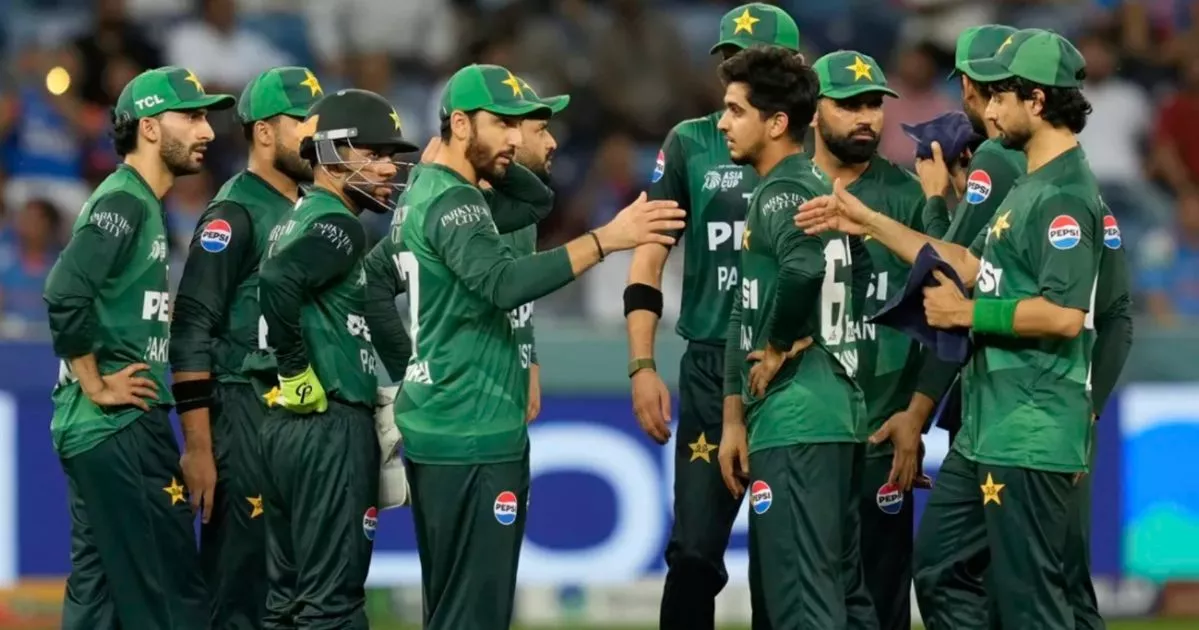
For much of Wednesday, no one was sure if Pakistan would even show up for their Asia Cup fixture against the United Arab Emirates in Dubai.
By the time the team bus finally pulled out of the hotel, the game had already been delayed an hour, and a bizarre standoff over a handshake row had turned into the biggest story of the tournament.
The drama began after Pakistan’s defeat to India on September 14. Indian players refused to shake hands with their rivals, a gesture they linked to the recent border flare-up in Pahalgam.
The Pakistan Cricket Board (PCB) claimed match referee Andy Pycroft had mishandled the situation, even accusing him of asking captain Salman Ali Agha not to press the issue at the toss.
PCB chairman Mohsin Naqvi — who also happens to be president of the Asian Cricket Council (ACC) — demanded Pycroft be removed from the referees’ panel. Twice the board wrote to the International Cricket Council. Twice the answer was no.
The ICC reminded PCB that handshakes are not mandatory and insisted Pycroft had only relayed instructions from ground staff.
That rejection pushed things into crisis mode. On Wednesday afternoon, Pakistan players stayed put in their hotel instead of leaving for the ground. The scheduled pre-match press conference was abruptly cancelled. Local media began to speculate about a boycott, even as Naqvi huddled with former board chiefs in Lahore and promised “consultations” before a final decision.
India, Pakistan brace for new chapter in storied rivalry
Finally, just before 8 p.m. Bangladesh time, the deadlock seemed to break, just 30 minutes before the match time.
The team boarded the bus for Dubai International Stadium, cheered on by waiting cameras. Still, there was no clarity on whether Pycroft would remain in charge of the match — though the ACC’s official appointments listed him as referee.
For the players, it was an odd buildup to what should have been a straightforward contest.
Pakistan, badly beaten by India earlier in the week, need a win over the UAE to keep their campaign alive. Instead, they spent the day caught between boardroom brinkmanship and tournament rules.
By the time the floodlights came on, the question wasn’t just about net run rates or qualification scenarios. It was whether cricket could finally take center stage again, after days of wrangling that turned a routine group-stage match into a political sideshow.