
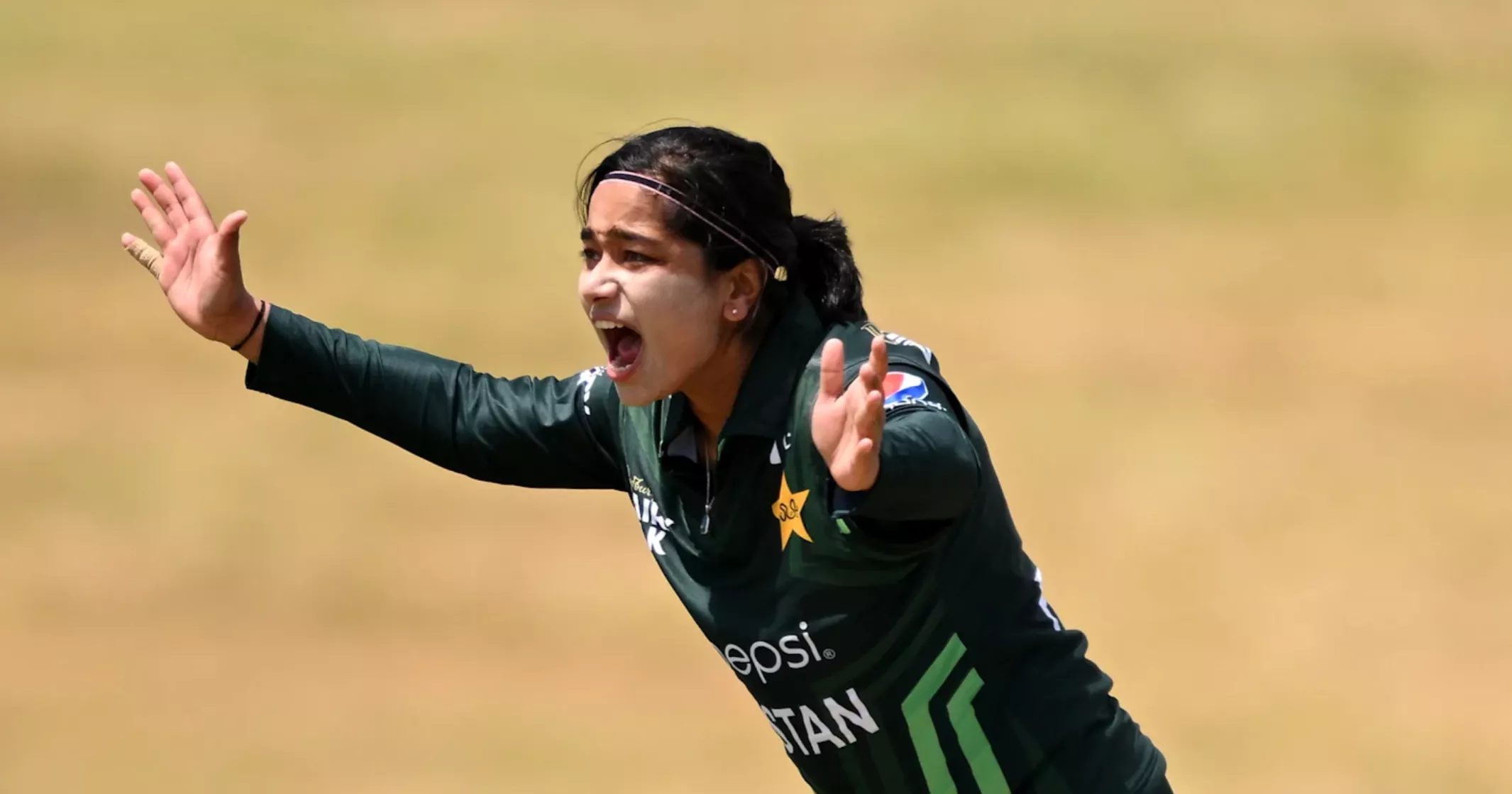
For Fatima Sana, the Women’s World Cup in India and Sri Lanka is more than another tournament. It is a chance to change Pakistan’s story in the format.
The 23-year-old allrounder will captain Pakistan for the first time at the event, starting September 30, and she is clear about the target.
“This time, the jinx will definitely be broken,” she said to ICC. “We won’t think about the past. My goal is to take the team to the semifinals.”
Pakistan’s past in the competition makes the ambition striking. Since debuting in 1997, they have featured in five editions but managed only three wins, the last against West Indies in 2022.
Yet under Sana’s leadership, there is a flicker of optimism. Her team went unbeaten in the qualifiers earlier this year, sealing their place with a run that suggested more resilience than in previous campaigns.
Off the field, too, the landscape is shifting. The ICC’s recent decision to quadruple the prize money to $13.88 million has been hailed as a breakthrough.
“It will inspire girls back home,” Sana said. “Cricket is now on television, schools are encouraging it. This is the barrier we want to break through this World Cup.”
Amir hits 400 T20 wickets, second Pakistani to reach the landmark
Pakistan open against Bangladesh in Colombo on October 2.
For Sana, that night will not just mark a debut as World Cup captain but the beginning of a push to take Pakistan women’s cricket where it has never been before